
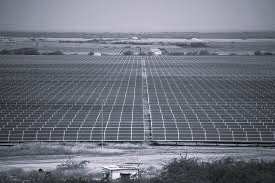
India’s solar boom powers historic shift toward clean energy
India’s clean energy transition has reached a major milestone, with solar power emerging as the backbone of the country’s power shift, backed by strong policy support, global climate commitments, and rapid capacity expansion.
According to a recent government release, the PM Surya Ghar: Muft Bijli Yojana, approved in February 2024, has accelerated rooftop solar adoption across households. As of December 2025, about 23.9 lakh homes have installed rooftop solar systems, adding nearly 7 GW of clean power and significantly reducing household electricity costs. The programme forms a key pillar of India’s distributed renewable strategy.
Parallelly, the National Solar Mission continues to drive large-scale development through solar parks, rooftop systems and hybrid projects. Over the last decade, India’s solar capacity has expanded more than 40 times from 3 GW in 2014 to 129 GW by October 2025. Overall non-fossil fuel capacity has crossed 259 GW, meaning more than half of India’s installed power capacity now comes from clean sources.
India’s long-term roadmap is shaped by the Panchamrit framework, announced at COP26, which commits the country to achieving 500 GW of non-fossil electricity capacity by 2030 and reducing carbon intensity by 45 per cent. These goals have been repeatedly discussed in national and international forums since 2021, guiding policy direction and investment strategy.
Manufacturing is also receiving a major boost through the Production-Linked Incentive (PLI) scheme for solar PV modules, which has attracted investments of Rs 52,900 crore and created around 44,400 jobs as of September 2025, strengthening domestic supply chains and reducing dependence on imports.
In agriculture, the PM-KUSUM scheme has transformed rural energy access, with over 9 lakh standalone solar pumps and more than 10,000 grid-connected pumps already solarised, cutting diesel use and lowering irrigation costs for farmers.
Large-scale infrastructure development is progressing through 55 approved solar parks across 13 states, with nearly 15 GW of capacity already installed, providing ready land and infrastructure for rapid project execution.
India’s leadership in solar energy was prominently showcased when it hosted the 8th Assembly of the International Solar Alliance (ISA) in New Delhi in October 2025, attended by delegates from over 125 countries. Discussions focused on affordable solar financing, technology sharing and building resilient global solar value chains. Speaking at the assembly, Droupadi Murmu emphasised that solar energy represents “empowerment and inclusive development,” calling for its reach to every household, village and farmer.
With solar now the largest contributor to India’s renewable energy mix, and the country ranked third globally in solar capacity, the government says the momentum firmly places India on track toward a cleaner, more secure and self-reliant energy future.