
India’s Social Fault Lines Remain Deep, Says Justice Ujjal Bhuyan
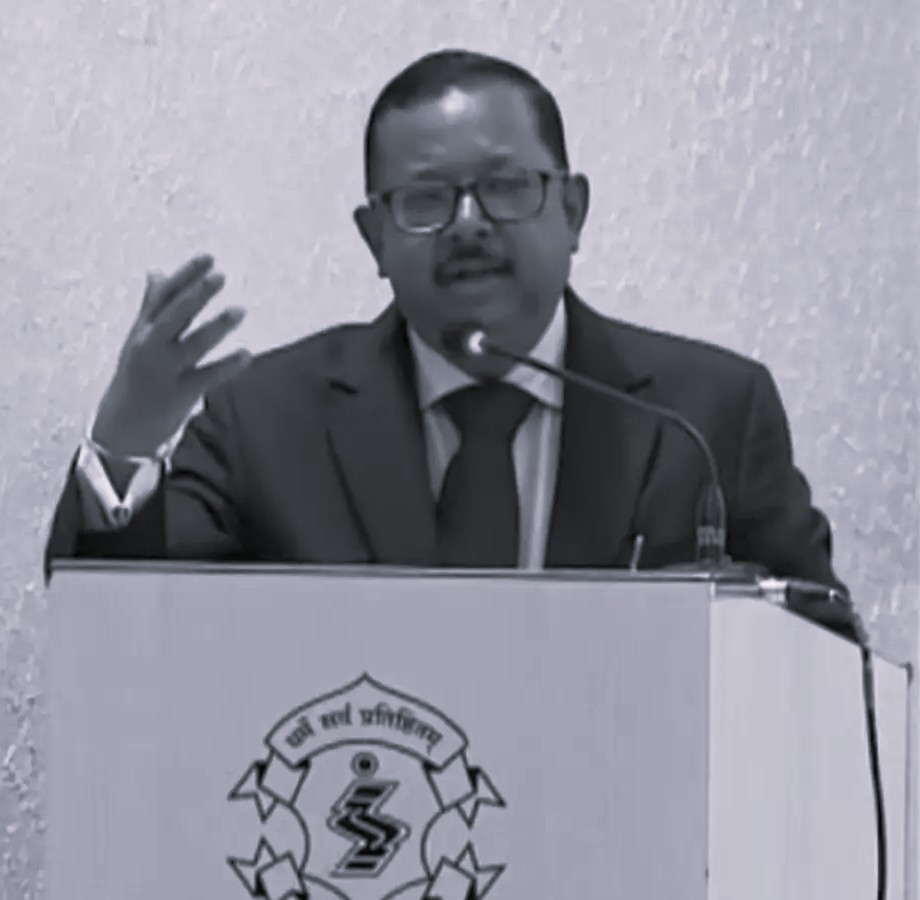
Supreme Court Justice Ujjal Bhuyan on Wednesday highlighted how far India still is from fully embracing constitutional morality , citing recent incidents of discrimination. Speaking at a seminar organized by the Telangana Judges Association and Telangana State Judicial Academy , he stressed that the Constitution’s ethical standards must prevail over popular opinion, even when it reflects the majority view.
Justice Bhuyan noted that although court fees in India are relatively low compared to other countries, the additional costs of legal representation make it difficult for ordinary citizens, especially in remote areas, to access justice. He emphasized that the Constitution aims to promote fraternity and social harmony , but personal and societal morals often fall short of these ideals. This gap is particularly evident in matters such as marriages and renting property .
Illustrating this, he referred to a case in Delhi where a landlord refused to rent a home to a Muslim PhD student simply because of her religion, even though she was a friend of his daughter. He also mentioned incidents reported in the media, including parents protesting meals prepared by a Dalit cook under the midday meal program.
“These are just isolated examples, the tip of the iceberg,” Justice Bhuyan said. “Even after 75 years of the Republic, such incidents reveal the persistence of deep social divides.”
Referring to the Naz Foundation judgment by the Delhi High Court, he reminded that fundamental rights under Article 21 cannot be curtailed based on popular morality or social pressures. On gender representation , he observed that women’s participation in judicial services has grown nationwide, with Telangana leading in this progress.
Currently, Telangana’s judiciary has 76 SC officers , 46 ST officers , and 25 officers from minority communities across three cadres. Justice Bhuyan said that while there is room for improvement, these numbers reflect the state’s commitment to democratic values and inclusive culture . He also praised five physically challenged officers who continue to serve effectively in the judiciary.