
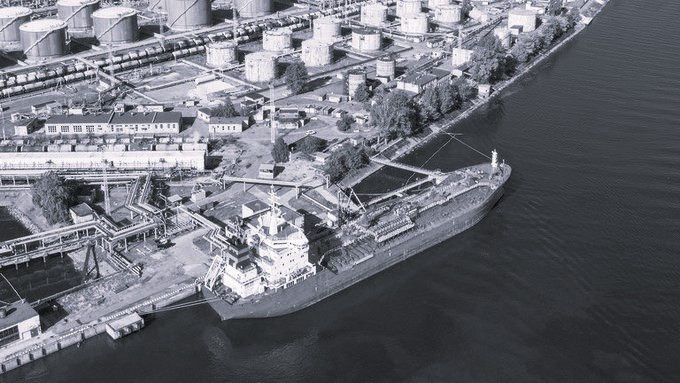
India’s Russian Oil Imports Surge 50% Amid Scramble to Replace Lost Barrels
India has sharply increased imports of Russian crude oil in March as escalating conflict in West Asia disrupted supplies passing through the strategic Strait of Hormuz, forcing New Delhi to rely on alternative sources to protect its energy security.
Ship-tracking data shows India imported about 1.5 million barrels per day (bpd) of Russian crude this month, a nearly 50 per cent jump from roughly 1.04 million bpd in February . The surge comes as shipments from Middle Eastern producers slowed due to the widening military conflict affecting tanker movement through the Strait of Hormuz, one of the world’s most important energy chokepoints.
India, the world’s third-largest crude importer , consumes about 5.8 million barrels of oil per day and imports nearly 88–90 per cent of its requirement from overseas markets. Traditionally, a large share of these imports comes from Middle Eastern countries such as Iraq, Saudi Arabia, the UAE and Kuwait , most of which reach Indian ports through the Strait of Hormuz.
The current conflict has exposed India’s heavy dependence on this route. Nearly 40–50 per cent of India’s crude imports pass through the Strait of Hormuz, amounting to roughly 2.5–2.7 million barrels per day . Any disruption in the narrow waterway immediately threatens energy flows not only to India but to several Asian economies.
To offset this risk, India has stepped up purchases from Russia , which has remained one of the country’s largest suppliers since 2022. Russian crude shipments are being redirected to Indian refineries to compensate for the shortfall from West Asia. Analysts say this shift has helped narrow the supply gap created by reduced Middle East shipments and stabilise refinery operations.
Apart from Russia, India has also begun diversifying its energy sourcing strategy. The government has increased imports of LPG and crude from countries such as the United States, Norway, Canada and other non-Gulf suppliers , reducing its reliance on Hormuz-linked routes. Emergency steps have also been taken to maximise domestic LPG production and prioritise supply for households.
However, the war has still created economic risks for India. Rising oil prices and supply uncertainty threaten to increase the country’s energy import bill , which already exceeded $137 billion in FY2025 . Analysts warn that even a 10 per cent rise in crude prices can widen India’s current account deficit and fuel inflation in sectors such as transport, fertilisers and power.
Beyond oil, the conflict also risks disrupting supplies of LPG, LNG and fertiliser inputs that pass through the same route. India is one of the world’s largest LPG importers, and any prolonged disruption could tighten availability for commercial users and industries dependent on fuel supplies.
Despite the challenges, the government has said India’s fuel supply remains secure due to diversified sourcing and adequate reserves. Officials indicate the country currently has several weeks of crude and petroleum product stocks , giving refiners time to adjust procurement strategies while the geopolitical situation evolves.