
India’s retail inflation falls to record low in October
In what amounts to a startling turn for consumers and policy-makers alike, India appears to have driven its retail inflation down to levels almost unheard of in the country’s recent history. According to analysis by Bank of Baroda, the country’s headline consumer price index (CPI) inflation for October 2025 is estimated to be in the 0.4 %-0.6 % range, an astonishing fall from earlier levels and a dramatic illustration of the deflationary forces at work.
CPI Inflation - Source: https://mospi.gov.in/ (Ministry of Statistics)
This plunge follows a reading of 1.54 % in September, already an eight-year low and well below the lower bound of the Reserve Bank of India’s comfortable inflation band. The estimate for October thus represents a further collapse, signalling that price pressures across the economy have all but evaporated.
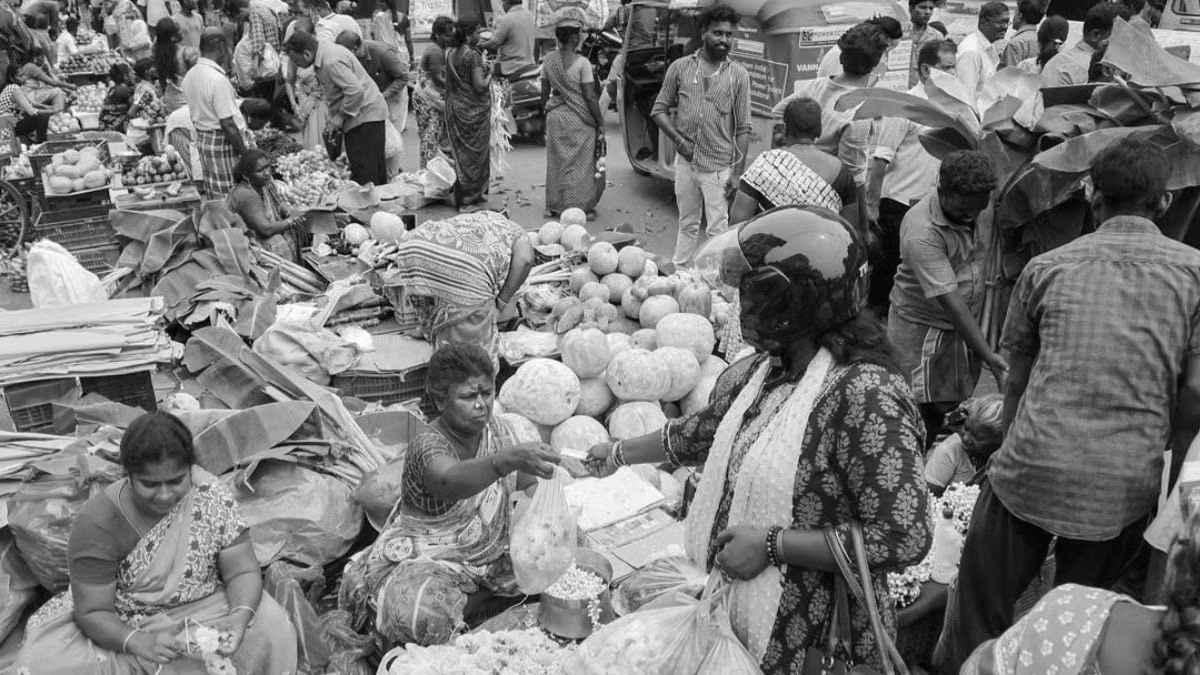
The factors behind this remarkable decline are multi-fold. A steep drop in food prices especially in staples and daily essentials plays the starring role. Vegetables, pulses and edible oils all saw sharp reversals from previous inflationary spikes. At the same time, easing global commodity prices, rationalisation of GST rates and favourable supply conditions combined to exert downward pressure on consumer costs. As Bank of Baroda’s Essential Commodities Index shows, prices of key items fell for the sixth consecutive month.
From a consumer’s vantage point, this means that the cost of living is not just stable, it is improving. Households are finding their rupee goes further, at least in nominal terms. For the first time in many years the threat of runaway inflation seems remote and a scenario of “too low” inflation is edging into view.
For policy-makers, the implications are significant. With inflation well below even the lower bound of the RBI’s target band, the central bank may feel more room to manoeuvre, whether that means cutting rates, easing liquidity or otherwise shifting focus toward growth rather than price containment.
However, it is important to emphasize that lower inflation does not mean prices are falling, it means prices are rising more slowly. Consumers may not immediately feel that goods are cheaper, but they are likely to experience fewer sharp price jumps in the coming months.