
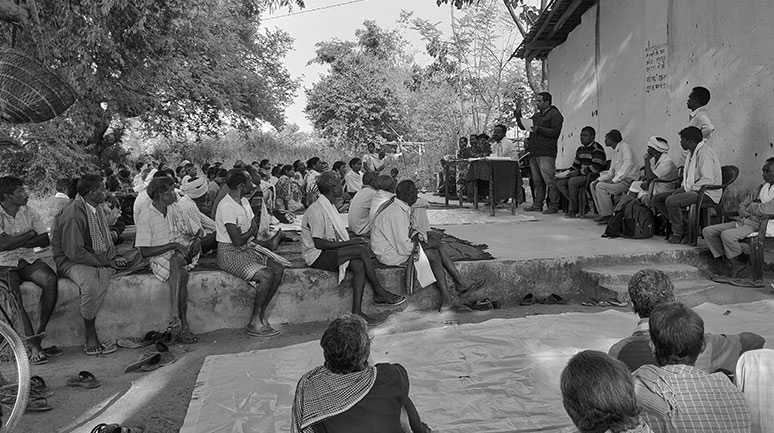
India’s Panchayats lead rural digital democracy
India’s villages are witnessing a quiet digital revolution. The Ministry of Panchayati Raj has rolled out a series of technology-driven initiatives that are making local governance faster, more transparent, and more citizen-friendly. From artificial intelligence to mobile apps, Gram Panchayats are being equipped with tools that bring democracy and decision-making closer to the people.
One of the most recent innovations is SabhaSaar, launched in August 2025. This AI-powered tool automatically records and prepares summaries of Gram Sabha meetings. Until now, meeting notes were written by hand and were often inaccurate. SabhaSaar not only creates accurate records immediately but also works in 14 Indian languages through integration with Bhashini, the National Language Translation Mission. This ensures that communities across the country can use it easily, breaking down language barriers.
The government is also strengthening property rights in villages through the SVAMITVA scheme. By using drones for land surveys, property cards are being issued to rural households, giving them legal ownership of the land they occupy. This helps villagers access bank loans, resolve disputes, and plan their assets better. So far, surveys have been completed in more than 3.23 lakh villages, with over 2.63 crore property cards prepared.
Connectivity remains central to this transformation. Through BharatNet, the government is extending high-speed internet to Gram Panchayats and villages. Already, more than 13 lakh fibre-to-home (a high-speed internet connection delivered directly to a home using optical fiber cables) connections have been set up, enabling rural residents to access services such as online education, healthcare, e-governance, and even e-commerce.
The eGramSwaraj portal has become a one-stop platform for Gram Panchayats to plan projects, allocate and monitor budgets, and track development work. Alongside, the Meri Panchayat App allows citizens to check local budgets, projects, and services on their mobile phones. Features such as real-time updates, social audits, and grievance redressal put accountability directly into the hands of villagers.
Other platforms like Panchayat NIRNAY, which digitises Gram Sabha decisions, and Gram Manchitra, a Geographic Information System (GIS)-based planning tool, are helping Panchayats make more informed and transparent decisions.
The government’s efforts have also been recognised at the national level. This year’s National Awards for e-Governance honoured Panchayats that excelled in digital service delivery. Rohini Gram Panchayat in Maharashtra won Gold, while West Majlishpur in Tripura took Silver.
These reforms are more than just technology upgrades - they are reshaping how villages function. By making processes transparent, improving citizen participation, and bridging the digital divide, Gram Panchayats are becoming true partners in building a Digital Bharat.
A major concern is the digital divide, as reliable internet, electricity, and basic digital literacy are still not consistently available across villages. Implementation speed is also critical, since rolling out tools across lakhs of Panchayats can face delays and logistical hurdles. Data security and privacy must be ensured, as AI platforms and online systems handle sensitive citizen information. Capacity building is essential, because Panchayat officials and villagers need training to effectively use these digital tools. Students from local colleges can be trained to educate and assist the rural public, which not only improves outreach but also creates potential employment opportunities for the students.
The success of digital initiatives in Gram Panchayats depends on addressing several key challenges. Without proactive maintenance, the tools designed to empower villages could lose their effectiveness. Launching the platforms is just the first step; consistent investment in infrastructure, software, connectivity, and manpower is essential for long-term success. Relying entirely on external tech providers may create long-term vulnerabilities. Building in-house technology and capacity ensures sustainability, flexibility, and stronger ownership. Some states may adopt digital Panchayat tools faster than others, creating gaps in service delivery and regional differences may arise. Expecting the same staff to manage both manual and digital systems simultaneously causes slow adoption or errors. Governments need to invest in additional staff or dedicated digital teams. Even perfect technology is useless if citizens don’t trust or engage with it. Building trust requires transparency, reliability, and active outreach.
Addressing these challenges is crucial for ensuring that digital tools truly strengthen governance, and citizen participation in rural India.