
India’s Own GPS: ISRO to Launch NVS-03 Satellite to Boost India’s Navigation System
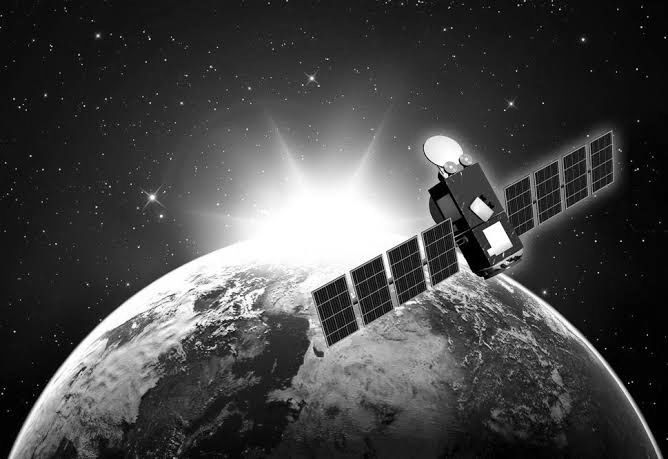
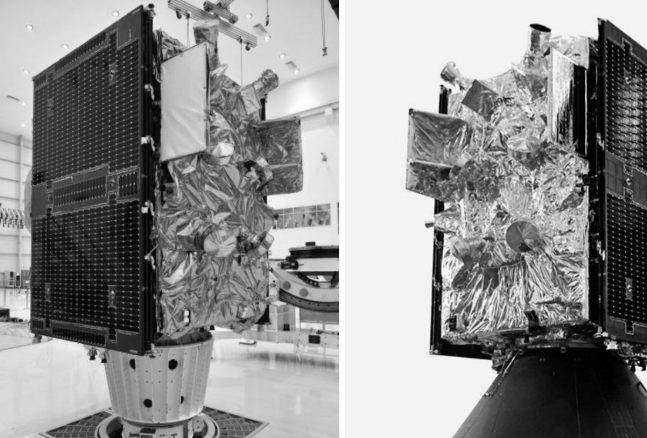
The Indian Space Research Organisation (ISRO) will launch its next-generation navigation satellite, NVS-03, on October 30, in a crucial step towards strengthening India's independent navigation system, NavIC. The GSLV-F18 rocket is scheduled to lift off at 11:51 pm IST from Sriharikota, Andhra Pradesh.
The mission comes at a critical time for NavIC. As of the government's July 2026 update, only three satellites were providing positioning, navigation and timing services, while at least four operational satellites are required for basic standalone positioning. NVS-03 is expected to strengthen the constellation once it reaches orbit and becomes operational.
India's system is smaller than the major global navigation networks. The United States operates GPS, with around 31 satellites typically in its constellation, while China's BeiDou has 35 operational satellites. Europe's Galileo is designed around 30 satellites, and Russia's GLONASS has a nominal constellation of 24. Unlike these global systems, NavIC is designed primarily for regional coverage, extending across India and approximately 1,500 km beyond its borders.
NVS-03 will carry an indigenous atomic clock alongside procured clocks, providing the precise timing needed to calculate locations. It will also introduce the L1 frequency band, in addition to the existing L5 and S-band signals, potentially improving compatibility with navigation receivers used in consumer devices.
The launch follows the setback involving NVS-02, which was launched in January 2025 but could not complete the manoeuvres needed to reach its intended orbit. The failure highlighted the challenges facing India's effort to maintain a reliable navigation constellation.
NVS-03 is part of a five-satellite second-generation programme that includes NVS-01, NVS-02, NVS-04 and NVS-05. Further deployments will be important to restore service continuity and strengthen NavIC's capabilities.
While India does not yet match the scale of GPS or BeiDou, NVS-03 represents an important step towards greater technological and strategic independence in satellite navigation.