
India’s New Gulf Route? Oman’s Sohar Port Emerges As An Alternative Amid Hormuz Crisis
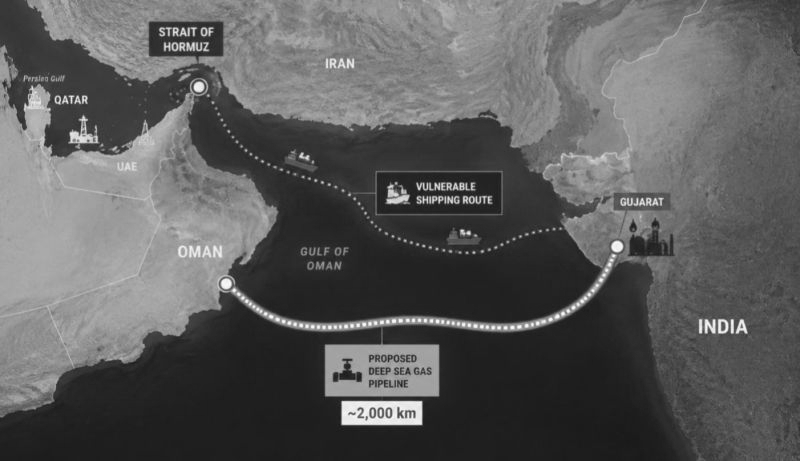
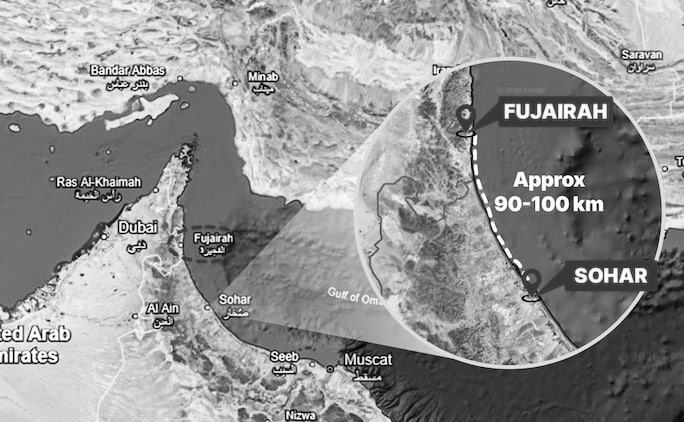
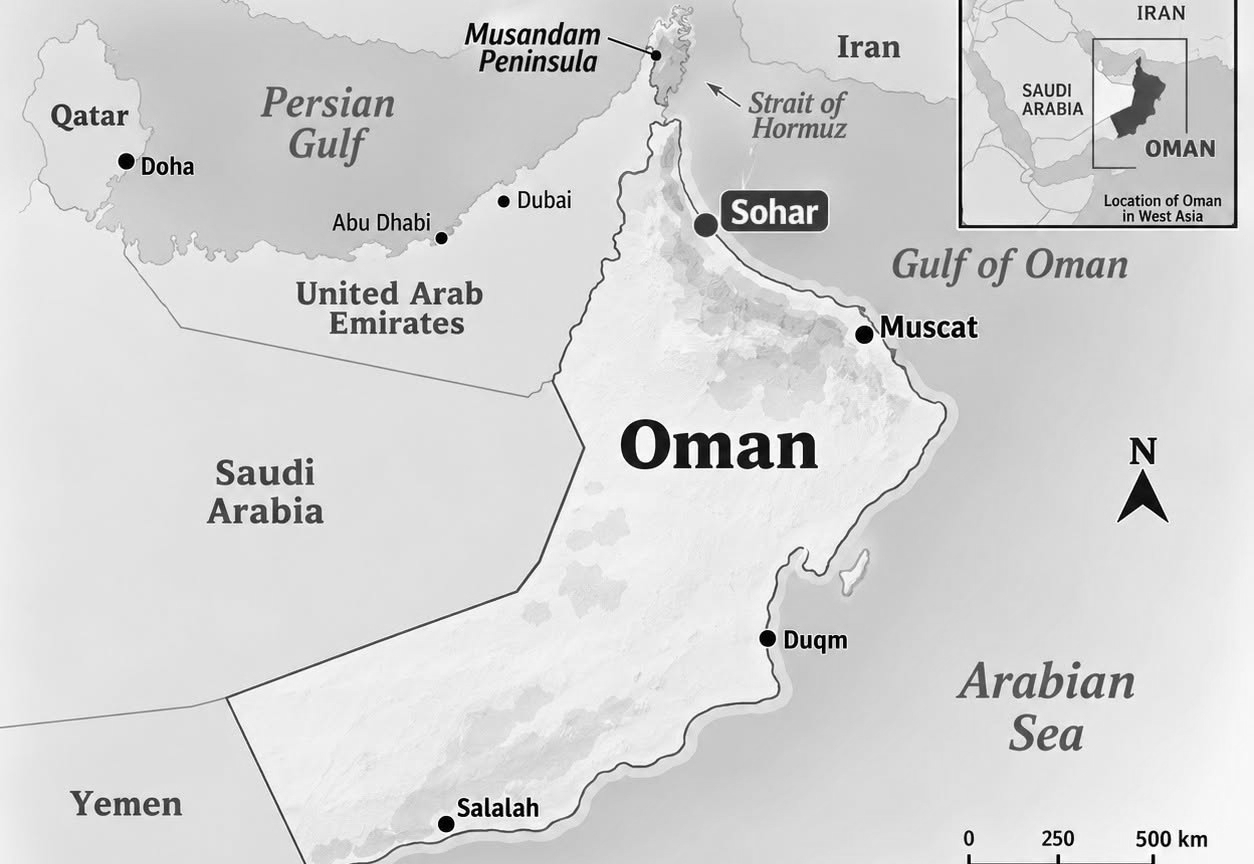
The Strait of Hormuz crisis is forcing businesses to rethink how cargo and energy move through the Gulf, and Oman’s Sohar Port is emerging as an important alternative for Indian trade. Located on the Gulf of Oman, Sohar sits outside the Persian Gulf’s narrowest maritime chokepoint, giving shippers another logistical option when traffic through Hormuz is severely disrupted.
That does not make Sohar completely insulated from the conflict. But in a crisis, an alternative route can be valuable even when it carries higher costs and risks. For India, which has deep commercial, energy and people-to-people ties across the Gulf, the search for such alternatives has become increasingly important as shipping disruptions, insurance costs and uncertainty affect regional trade.
The shift is already visible. According to Business Standard, India-Sohar feeder services have quadrupled since the West Asia crisis began, as shipping lines increasingly use ports east of Hormuz, including Sohar, Salalah and Khorfakkan. Sohar is also in discussions with Indian terminal operators interested in operating captive berths and multipurpose logistics facilities.
The port is expanding its ambitions beyond simply handling diverted cargo. Sohar and its free zone have attracted more than $30 billion in investment and handled more than 72 million tonnes of cargo annually, according to its deputy CEO. Container handling rose 40 per cent year-on-year in the first half of 2026, while breakbulk volumes nearly doubled. The port is also being positioned as a transshipment hub for GCC and African markets.
Oman is simultaneously pitching Sohar directly to Indian companies. At a September 16 session in New Delhi organised with the Federation of Indian Export Organisations, Indian manufacturers were invited to explore opportunities in metals, plastics, food processing, pharmaceuticals, petrochemicals and renewable energy, with the wider aim of using Sohar as a base for accessing Gulf, Middle Eastern and African markets.
The energy trade is providing another major example. Saudi Arabia has sold around 60 million barrels of crude from Ras Tanura for ship-to-ship transfers at Sohar during September and October. Trade sources said some of those cargoes are destined for India and Japan, with Saudi exports through the Gulf averaging about 1 million to 1.5 million barrels a day.
This is part of a broader patchwork of alternatives emerging across the region, including pipelines, roads, ports outside the chokepoint and revised shipping routes. The Oman-UAE rail corridor, expected to come up by 2028, could further strengthen Sohar’s connectivity with the wider Gulf.