
India's Indigenous Drone Missile ULPGM-V3 Passes Final Tests, Now Ready for Induction
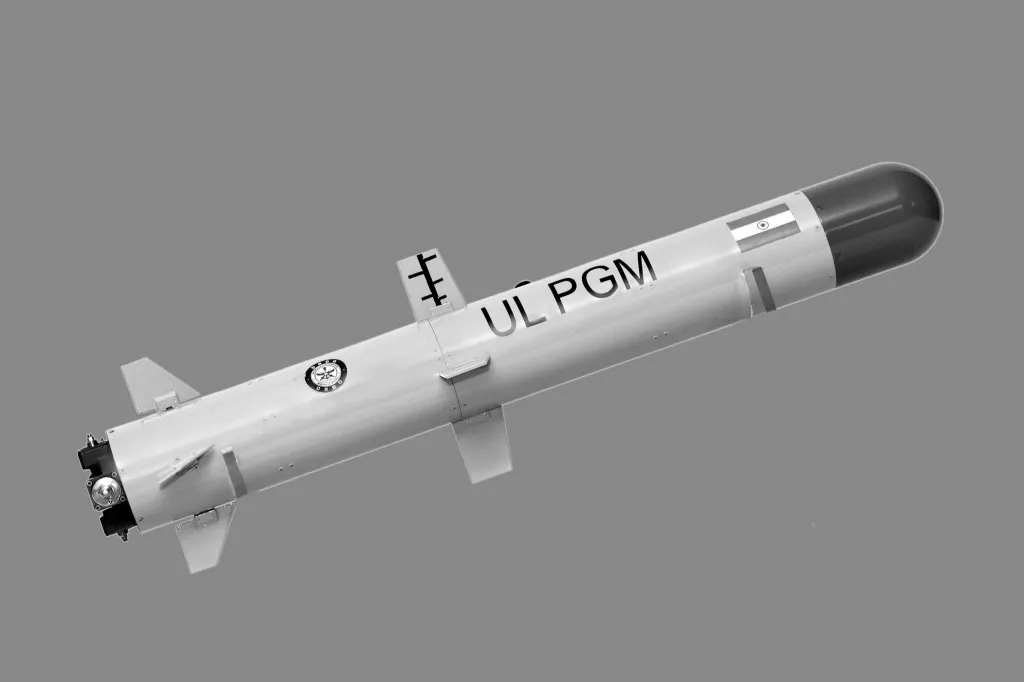
India has crossed a significant threshold in unmanned combat technology after the Defence Research and Development Organisation (DRDO) successfully wrapped up the final development trials of the ULPGM-V3 , an indigenously built precision-guided missile designed to be launched from drones, at the National Open Area Range near Kurnool, Andhra Pradesh , over May 18 and 19.
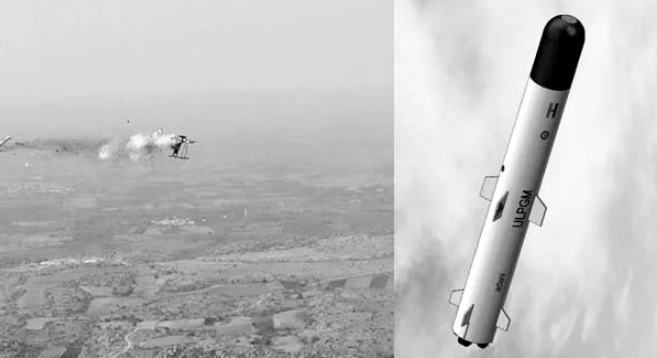
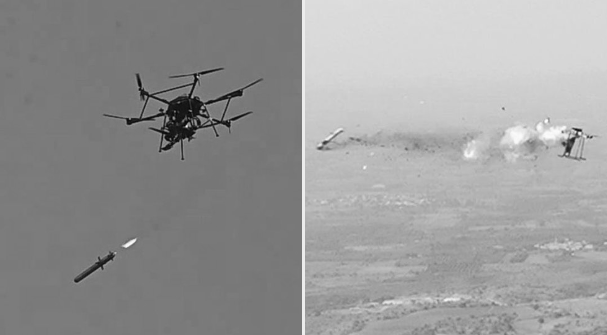
The tests validated the weapon in both air-to-ground and air-to-air roles , with the entire campaign run through an integrated Ground Control System (GCS) that handled everything from readiness checks to launch commands, incorporating advanced automation to reduce human workload during critical phases. In air-to-ground mode, the missile accurately engaged designated land targets, while in air-to-air configuration it successfully intercepted simulated drones and other airborne threats.
What makes the ULPGM-V3 technically formidable is the sophistication embedded in its design. Also referred to as ULM-ER (Unmanned Launched Munition Extended Range) , the missile features a passive homing system using an imaging infrared seeker , enabling fire-and-forget targeting in both day and night conditions. Weighing just 12.5 kg and powered by a dual-thrust solid motor, it can strike targets up to 4 km during daytime and 2.5 km at night. A two-way datalink allows operators to send mid-course target updates even after launch, adding flexibility during dynamic battlefield situations.
The missile has been equipped with multiple warhead configurations tailored for different combat scenarios. One variant is capable of destroying modern armoured vehicles fitted with explosive reactive armour , while another is designed to penetrate bunkers and fortified structures using a penetration-cum-blast mechanism. A third pre-fragmentation warhead variant has been developed for high-lethality area strikes. Defence experts note that the system’s reported circular error probable (CEP) of just 10 centimetres places it among the most accurate lightweight precision-guided munitions currently being developed worldwide.
The recently concluded trials marked the final deliverable configuration testing of the missile system, effectively clearing the path for serial production of what is now an entirely indigenous weapon platform. DRDO partnered with Bharat Dynamics Limited and Adani Defence Systems & Technologies Limited for development and production support, while the missile was integrated onto UAV platforms developed by Newspace Research and Technologies, Bengaluru.
The achievement also reflects the Indian government’s larger strategic push toward self-reliance in advanced military systems . India’s defence budget for 2026-27 was increased by 15 per cent to Rs 7.85 lakh crore, with substantial allocations directed toward aircraft, aero-engines and emerging combat technologies. Defence Minister Rajnath Singh described the successful trials as a major milestone in India’s journey towards Aatmanirbharta in defence manufacturing , while DRDO Chairman Samir V Kamat praised the coordinated effort involving DRDO laboratories, production agencies, private industry and MSMEs.
Globally, India now joins a select group of nations possessing advanced UAV-launched precision strike systems . The United States deploys AGM-114 Hellfire missiles from MQ-9 Reaper drones, while Turkey gained global attention with Bayraktar TB2 drones armed with MAM-L smart munitions that played prominent roles in conflicts across Libya, Nagorno-Karabakh and Ukraine. Israel has long been a pioneer in drone-launched precision weapons through companies such as Rafael and Israel Aerospace Industries, while China fields armed Wing Loong and CH-series combat drones across its military inventory.
India’s successful testing of the ULPGM-V3 is therefore being viewed not merely as a laboratory achievement, but as a broader declaration of intent in the rapidly evolving domain of drone warfare . With a mature domestic supply chain now in place and the capability ready for immediate mass production, the missile programme signals India’s growing confidence in building a fully indigenous unmanned combat ecosystem capable of meeting future battlefield requirements.