
India’s Hydrogen Demand Likely to Double to 12 Million Tonnes by 2030
India’s hydrogen demand is projected to nearly double to around 12 million tonnes per annum by 2030, driven primarily by the fertiliser, refining and petrochemical sectors, according to a report by Nuvama Institutional Equities. The increase in demand comes as India accelerates efforts to build a domestic green hydrogen ecosystem and reduce dependence on fossil fuels.
The fertiliser sector is expected to account for more than half of the total hydrogen demand, reaching about 6.1 million tonnes per annum by 2030. Refineries are projected to require nearly 4.5 million tonnes, while petrochemical units could add another 1.3 million tonnes as new capacities come on stream. While hydrogen use in steel, long-haul transport, shipping and power generation remains limited at present, these sectors are expected to emerge as major green hydrogen consumers beyond 2030.
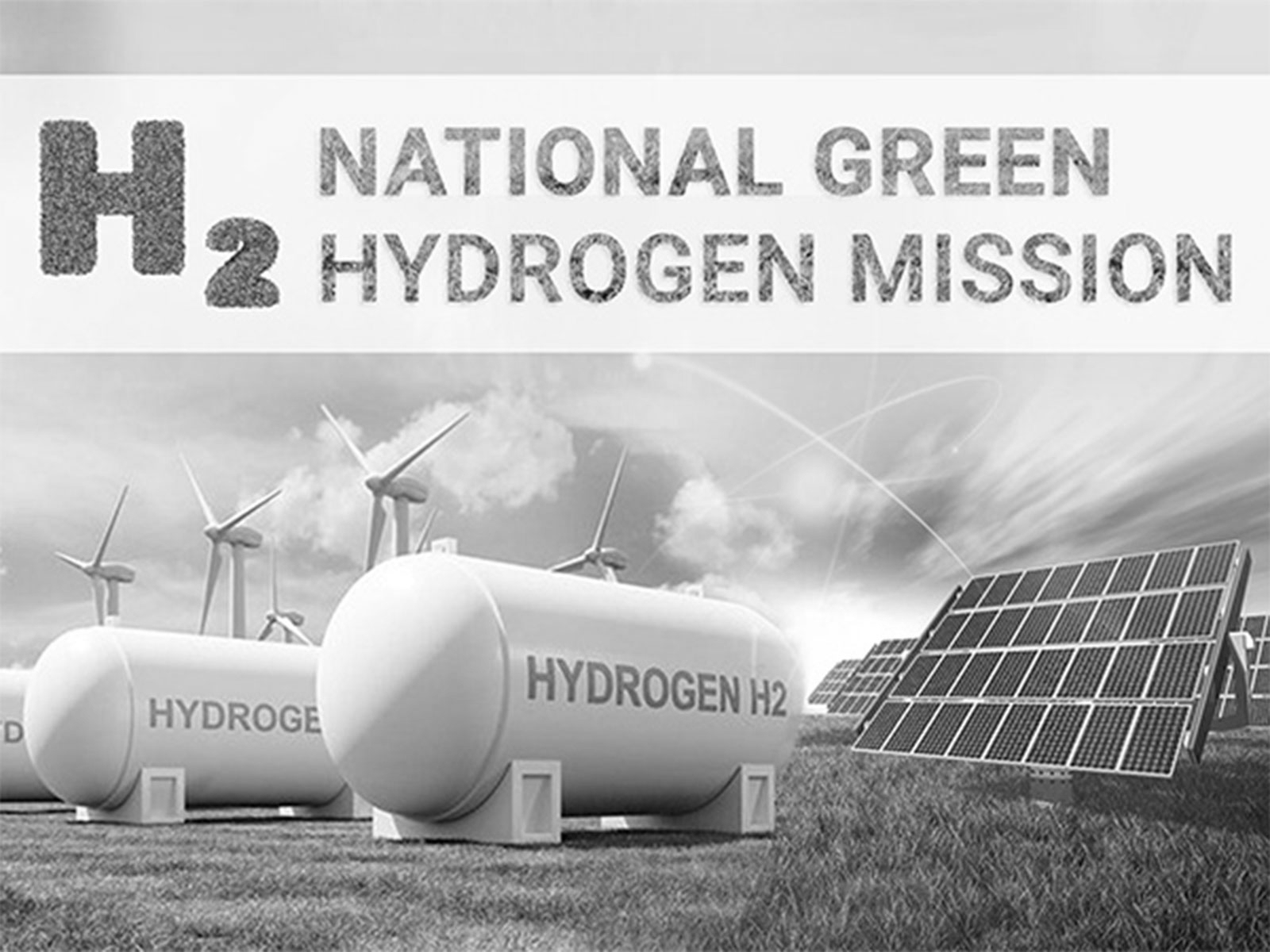
India’s green hydrogen strategy is anchored in the National Green Hydrogen Mission, launched in January 2023 with a total outlay of around ₹19,744 crore. The mission aims to position India as a global hub for green hydrogen production, usage and exports, while supporting the country’s energy transition and climate commitments.
A significant portion of the funding is channelled through the Strategic Interventions for Green Hydrogen Transition scheme, which provides incentives for green hydrogen production, electrolyser manufacturing and consumption support. The mission also backs pilot projects, research and development initiatives, skill development programmes and the creation of green hydrogen hubs to build foundational infrastructure.
To improve project economics, the central government has announced waivers on inter-state transmission charges for renewable energy used in green hydrogen production, simplified grid connectivity and open access to renewable power. A certification framework has also been introduced to ensure that green hydrogen and its derivatives meet renewable energy standards.
Since the launch of the mission, 13 states have announced dedicated green hydrogen policies offering incentives such as land support, transmission charge waivers, subsidies, interest subvention, training programmes and exemptions on state taxes. Together, central and state-level measures are estimated to create a policy support pool of nearly USD 61 billion, encouraging industry participation and investment.
Despite strong policy backing, cost remains the biggest challenge. Green hydrogen currently costs between USD 3.5 and 4 per kg, compared to around USD 2.2 per kg for grey hydrogen. According to the report, policy measures and market improvements could reduce green hydrogen costs by up to USD 1.9 per kg through power charge waivers, declining electrolyser prices and falling renewable energy tariffs.
On the technology front, electrolyser stack costs could decline by up to 75 per cent through innovation, material optimisation and domestic manufacturing. Estimates suggest that nearly 88 per cent of the electrolyser supply chain can be developed within India, helping reduce import dependence and strengthen domestic manufacturing.
Several large corporate groups and public sector enterprises have already announced major investments in green hydrogen. Reliance Industries is setting up a green energy giga complex in Jamnagar, while Adani Group, through Adani New Industries, has announced plans to produce up to one million tonnes per annum of green hydrogen by 2030. ACME Group is developing large green hydrogen and green ammonia projects in Rajasthan and southern India.
Public sector companies such as NTPC, Indian Oil Corporation, Bharat Petroleum Corporation and private players like ReNew Power and JSW Energy are also rolling out green hydrogen projects aimed at decarbonising power generation, refining and steelmaking. Technology and engineering firms such as L&T Energy GreenTech, Tata Projects and startups including Ohmium and HYDGEN are supporting electrolyser manufacturing and project execution.
Globally, hydrogen demand stands at around 100 million tonnes per year, with more than 99 per cent still produced from fossil fuels. Demand for green and other low-emissions hydrogen remains below one million tonnes per annum, but is expected to rise sharply over the next decade as countries pursue decarbonisation goals.
Countries leading the global green hydrogen race include China, the European Union, the United States, Australia, Saudi Arabia and Chile, supported by strong policy frameworks and large project pipelines. Japan and South Korea are expected to be major importers due to limited domestic renewable resources.
India has set a target of producing at least five million tonnes per annum of green hydrogen by 2030, which would place it among the world’s leading producers. Coastal states such as Gujarat, Tamil Nadu, Andhra Pradesh and Odisha are emerging as key hubs for green hydrogen and green ammonia production, with a focus on both domestic use and exports.
While large-scale adoption in steel, shipping and heavy transport may take time, India’s immediate focus remains on lowering costs, scaling production capacity and building supporting infrastructure. With strong policy backing, low renewable energy costs and growing industrial demand, India is positioning itself as a significant player in the global green hydrogen transition in the coming years.