
India’s Food Processing Sector Gets Global Push Under PLI Scheme
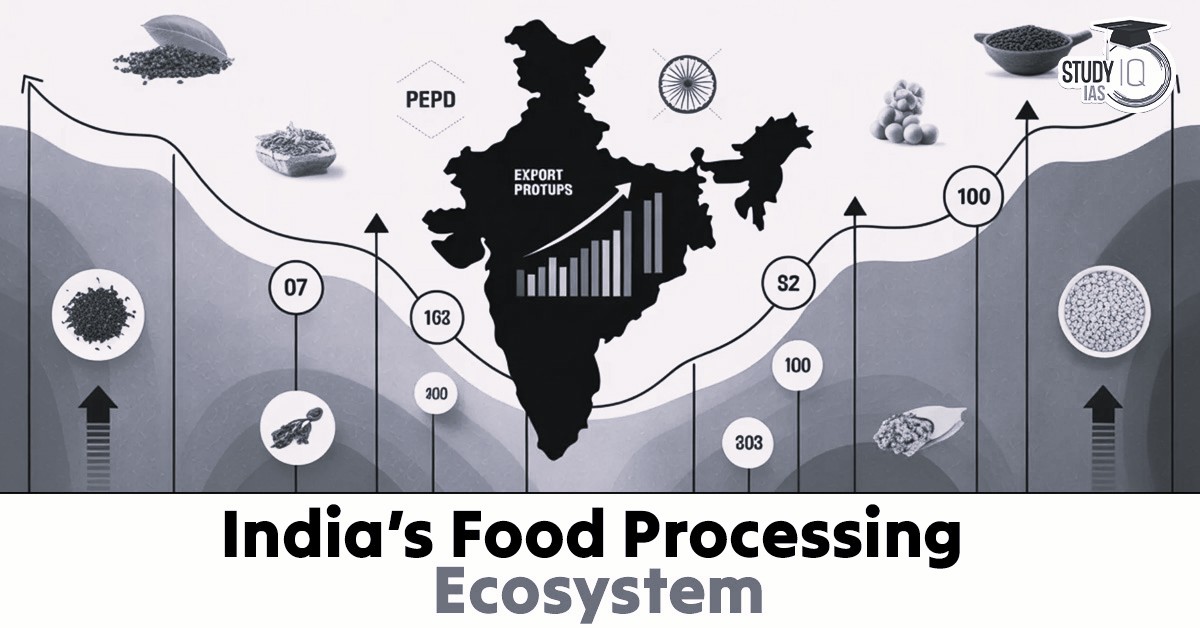
India, though primarily an agrarian nation, relies heavily on food processing to ensure remunerative prices for farmers and to curb wastage. Over the past decade, the sector has recorded significant growth, with its Gross Value Added (GVA) rising from ₹1.34 lakh crore in 2014–15 to ₹2.24 lakh crore in 2023–24 . Ranked second globally in the production of fruits and vegetables, the country is steadily transitioning from being a supplier of raw produce to a hub for value-added food products , with the Production Linked Incentive Scheme for Food Processing Industry (PLISFPI) emerging as a key driver of this transformation.
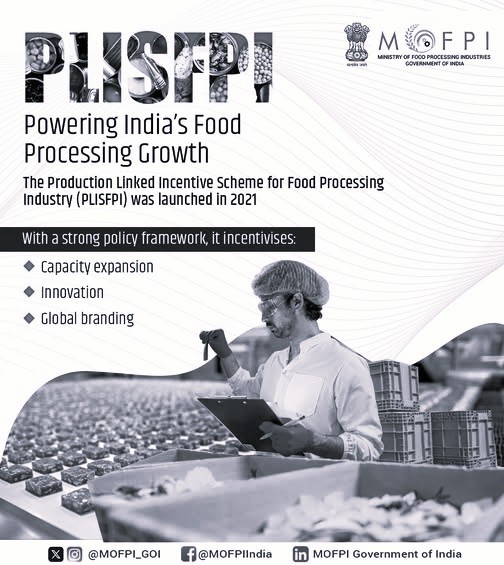
Approved by the Union Cabinet on March 31, 2021 , with an outlay of ₹10,900 crore , the scheme is being implemented from 2021–22 to 2026–27 with the objective of positioning India as a global food manufacturing hub . Unlike conventional subsidy-based models, the scheme incentivises companies based on incremental sales , thereby encouraging efficiency and competitiveness across the sector.
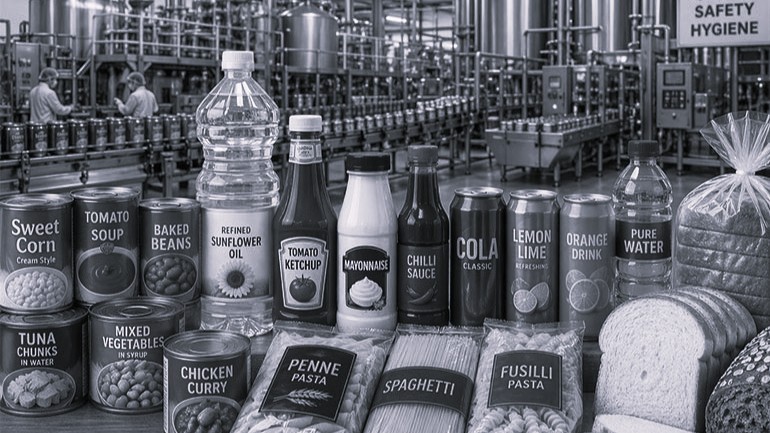
The initiative adopts a comprehensive approach by focusing on large-scale food processing segments such as ready-to-eat, ready-to-cook foods, processed fruits and vegetables, marine products, and mozzarella cheese , while also promoting innovation among MSMEs . A key feature is its support for global branding and marketing , under which the government reimburses up to 50% of overseas promotional expenses , enabling Indian brands to gain visibility in international markets.
As of February 2026 , a total of 165 applications have been approved under the scheme across 274 project locations in the country, attracting ₹9,207 crore in private investment . This has led to the creation of an additional 34 lakh metric tonnes of annual processing and preservation capacity , helping reduce post-harvest losses and improve food quality for consumers.
In terms of employment, the scheme has exceeded expectations. Against a target of 2.5 lakh jobs by 2026–27 , it has already generated nearly 3.39 lakh direct and indirect employment opportunities by February 2026, particularly benefiting rural youth and women .
MSMEs, considered the backbone of India’s industrial ecosystem, have also seen strong participation, with 69 out of 165 approved applicants belonging to this category, along with 40 contract manufacturing units . By February 2025, incentives amounting to ₹13.266 crore had been disbursed to 20 eligible MSMEs , strengthening their ability to compete at global standards.
The scheme has also contributed to a steady rise in exports of processed food products, which recorded a 13.23% increase by 2024–25 compared to 2019–20 . Between April 2021 and September 2025 , beneficiaries under the scheme achieved export sales worth ₹89,053.44 crore , with Indian brands increasingly finding shelf space in global retail markets, supported by the Category III marketing component .
In line with the United Nations’ declaration of the International Year of Millets , the government introduced an additional ₹800 crore allocation to promote millet-based products , aiming to boost demand, enhance value addition, and improve farmer incomes while supporting sustainable and healthy food systems.
The scheme’s implementation framework has also played a crucial role in its success. The Industrial Finance Corporation of India serves as the Project Management Agency, with the entire process from application to fund disbursement handled through an online portal , ensuring transparency. A web-based MIS system enables continuous monitoring of project progress, minimising fund misuse and ensuring timely achievement of targets.
Beyond industrial growth, the scheme has a broader multiplier effect on the economy. Increased demand for raw materials has led to higher direct procurement from farmers, reducing reliance on intermediaries and improving farm incomes, while also generating employment in allied sectors such as transport, packaging, and logistics .
In the Telugu States, the scheme has shown notable impact. Andhra Pradesh has benefited significantly in marine products and fruit processing , with major aqua sector companies and mango and tomato pulping units in districts like Chittoor and Anantapur emerging under the initiative. These units have enhanced export capacity and ensured better price realisation for farmers while creating employment for rural youth. Telangana , particularly Hyderabad , has seen growth in ready-to-eat and millet-based industries , with participation from large companies such as ITC and Heritage, alongside MSMEs engaged in processing turmeric and spices , as well as startups gaining support under the millet-based product category.
Overall, the PLISFPI represents more than just a financial incentive programme; it is a comprehensive strategy reshaping India’s food processing landscape . By promoting value addition, technological advancement, global standards, and strong branding, the scheme is positioning India not only as a leading food supplier but also as a global food manufacturing hub , aligning farmer welfare, industrial growth, and export expansion in the journey towards Atmanirbhar Bharat .