
India’s first dedicated medical nuclear reactor to come up in Visakhapatnam
India is set to take a major leap in healthcare self-reliance with the construction of its first nuclear reactor dedicated solely to isotope production in Visakhapatnam. The facility, being developed under a public-private partnership (PPP) model, aims to produce critical isotopes used in cancer diagnosis and treatment, positioning India as both self-sufficient and globally competitive in nuclear medicine.
A reactor designed for health
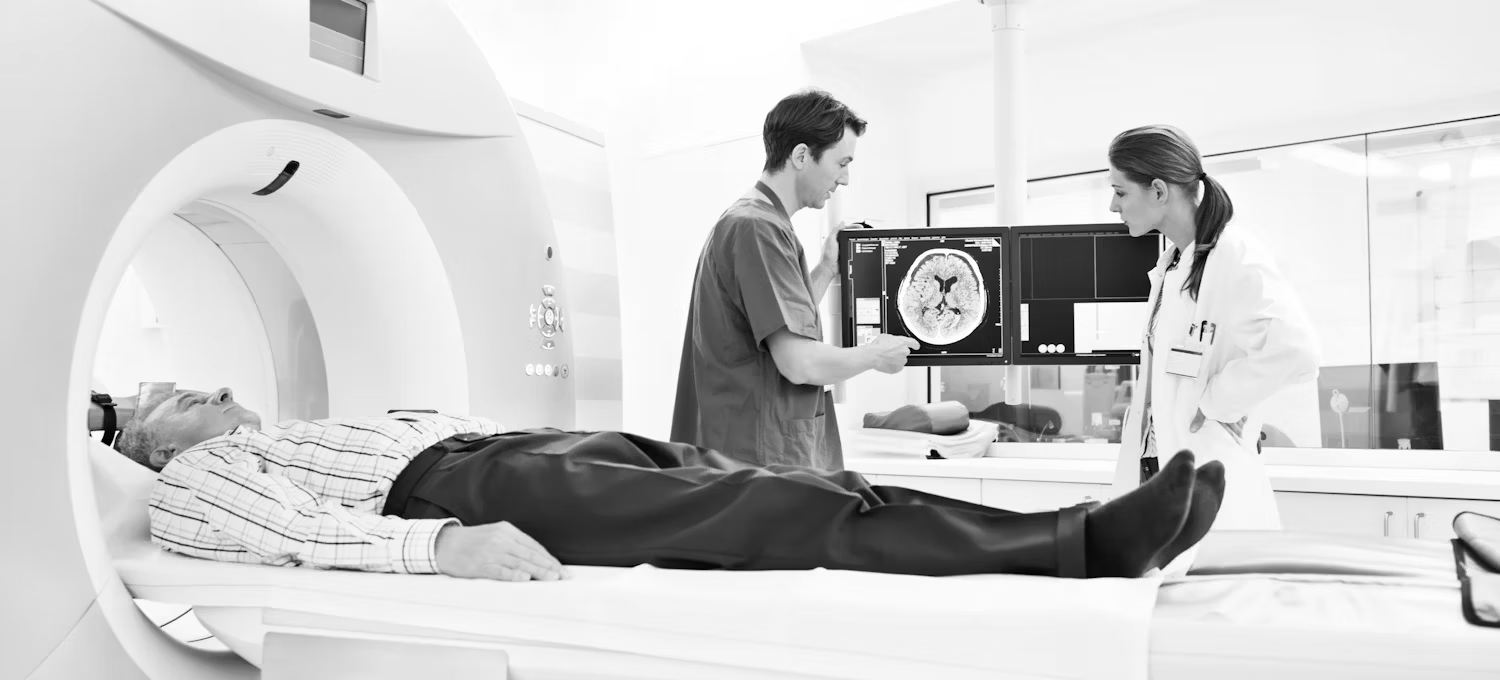
Unlike existing multi-purpose reactors at the Bhabha Atomic Research Centre (BARC) in Trombay(Mumbai) and Kolkata, which balance research and isotope production, the Visakhapatnam reactor will focus exclusively on medical applications. This means hospitals across the country will have a reliable, timely supply of isotopes for positron emission tomography (PET) scans , computed tomography (CT) scans , single-photon emission computed tomography (SPECT) imaging , and radiotherapy.
For patients, these isotopes function like a tiny glowing marker inside the body that attaches to a specific organ. Specialized cameras then “photograph” the glow, allowing doctors to detect cancer, heart disease, or bone abnormalities. Some isotopes also deliver targeted radiation therapy, destroying harmful cells without affecting surrounding tissue.
Strengthening India’s self-reliance
Currently, India relies on a mix of domestic production and imports of these isotypes from Europe, Australia, and other countries. While BARC supplies around two lakh units annually, these multi-purpose reactors often face capacity constraints. The Visakhapatnam facility will meet nearly all domestic demand, reducing import dependence and stabilizing costs for hospitals and patients.
The reactor’s production will be distributed nationwide, ensuring that eastern and southern states, previously dependent on Mumbai or Kolkata facilities, can access fresh isotopes quickly, which is crucial because many isotopes decay rapidly and lose effectiveness if delayed.
Global potential and safety The Visakhapatnam reactor, still in its pre-execution stage, aims to produce medical isotopes for cancer research and treatment. Once operational, it could meet domestic demand and export surplus, boosting India’s presence in international nuclear medicine. Safety remains a priority, with radiation shielding, containment systems, and strict Atomic Energy Regulatory Board (AERB) guidelines for waste management.
Funding and outlook Developed under a Public-Private Partnership (PPP) model, the project is expected to be completed in four to five years. It promises uninterrupted isotope supply, lower costs for scans and therapies, and strengthened self-reliance in healthcare.
A strategic leap Beyond infrastructure, the reactor is a strategic investment in science, health, and the economy, positioning India as a global player in medical isotopes and making cancer diagnosis and treatment more accessible.