
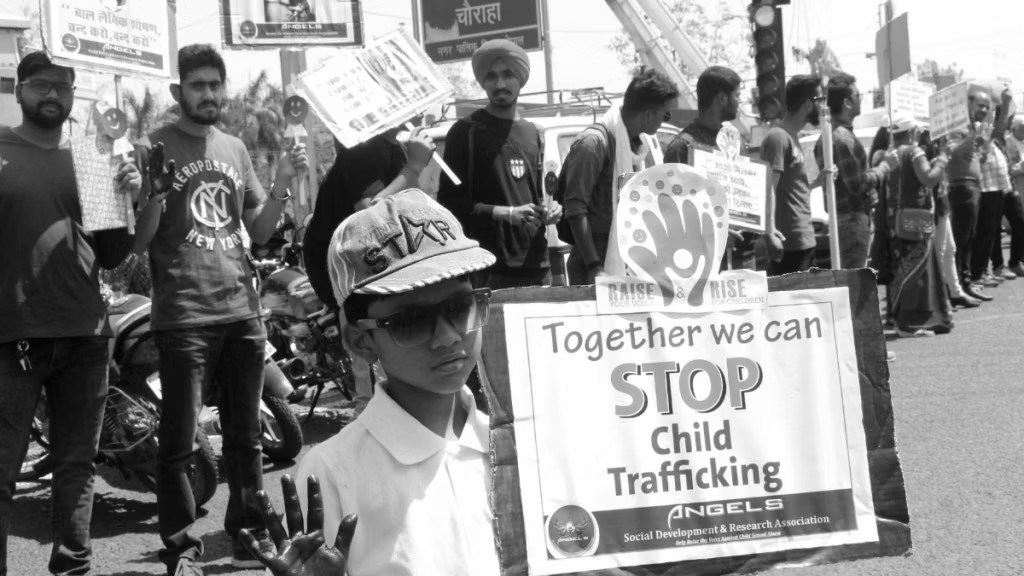
India’s Anti-Trafficking Fight: Why 819 AHTUs Need Stronger Coordination and Resources
India’s anti-human trafficking system has expanded, but its effectiveness still hinges on whether institutions can turn a large policing network into consistent action. The Centre told Rajya Sabha that 819 Anti-Human Trafficking Units (AHTUs) have been established across States and Union Territories.
Yet staffing remains a critical challenge. AHTUs need trained and dedicated personnel. The Centre has provided financial assistance for setting up or upgrading AHTUs and supports state-level conferences, judicial colloquiums and specialised training through the Bureau of Police Research and Development.
Training quality is equally important. Modern trafficking investigations require skills in victim identification, digital evidence, organised crime, financial investigation and tracking interstate networks. Investigators must also move beyond arresting individual traffickers and identify the wider syndicate, including its money flows and assets.
Coordination is another major gap. Police and public order fall under the State List, meaning States have primary responsibility for prevention, investigation and prosecution. But trafficking frequently crosses jurisdictions. The Centre has therefore urged effective interstate coordination and convergence among police, child-protection, labour agencies. CCTNS and Cri-MAC are intended to support information sharing and faster responses, while Standard Operating Procedures provide a common framework for handling cases when jurisdictions overlap geographically.
Victim protection remains central to the challenge. Rescue alone is insufficient if survivors lack safe shelter, counselling, legal assistance, education, employment and long-term rehabilitation. Stronger coordination with welfare agencies, Child Welfare Committees, District Child Protection Units and NGOs is therefore essential to prevent re-trafficking.
Prosecution presents another test. Weak evidence, fragmented investigations and delays can prevent arrests from translating into convictions. The Centre’s guidelines encourage stronger investigations, including financial probes and action against trafficking networks and syndicates.
The next phase should focus not simply on the number of AHTUs, but on measurable outcomes: trained staff, response times, nationally, interstate cases coordinated, victims rehabilitated, assets seized, charge sheets filed and convictions secured. India has built a stronger institutional architecture; the priority now is ensuring that it works consistently from prevention and rescue to prosecution and rehabilitation.