
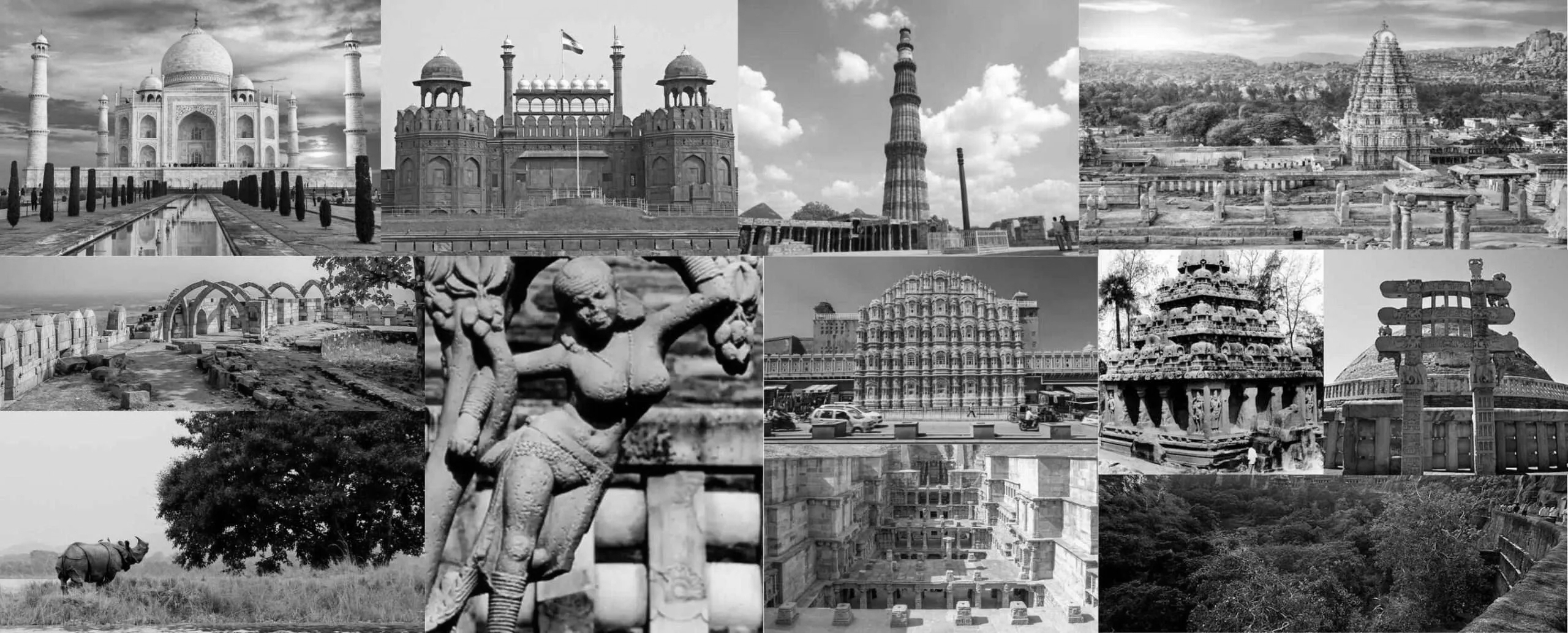
India’s 44 UNESCO Sites Set for Comprehensive Review and Modernisation
India’s rich cultural and natural legacy, reflected in its 44 UNESCO World Heritage Sites , stands as a testament to its civilisational depth and ecological diversity. Ranked sixth globally , the country hosts 36 cultural , seven natural , and one mixed site , ranging from iconic monuments like the Taj Mahal to ecological treasures such as Kaziranga National Park . However, this global recognition brings with it a growing responsibility to maintain international standards in conservation, infrastructure, and visitor experience.
A recent report by a Parliamentary Standing Committee has brought renewed focus on this responsibility, urging the Ministry of Culture to undertake a comprehensive review of maintenance standards and visitor facilities across all World Heritage Sites. The panel has called for a time-bound revamp plan , emphasising that site management must align with their “outstanding universal value” under UNESCO guidelines. It also recommended a five-year nomination strategy , proposing at least 10 new potential sites , structured international collaborations, and dedicated financial and human resources to strengthen India’s heritage diplomacy.
Despite consistent efforts by the Archaeological Survey of India (ASI) , which manages over 3,600 protected monuments , challenges persist. While conservation spending maintained over 99% utilisation in recent years, a notable dip in 2025–26 has raised concerns about implementation efficiency. At the ground level, visitors often encounter inadequate basic amenities , including poor sanitation, lack of drinking water, insufficient signage, and limited accessibility for persons with disabilities. Overcrowding at popular destinations, coupled with weak visitor flow management , further diminishes the overall experience.
Equally significant is the gap in interpretation and storytelling . Many sites lack engaging, multilingual information systems that can effectively communicate their historical and cultural significance. In an era driven by digital engagement, the absence of interactive technologies , such as audio guides, mobile applications, and immersive experiences, limits the ability to connect with both domestic and international tourists.
Addressing these challenges requires a multi-pronged reform strategy. Upgrading physical infrastructure , including clean amenities and well-designed visitor centres, must be prioritised alongside digital transformation , such as online ticketing and QR-based guided tours. Introducing carrying capacity-based tourism , eco-friendly transport systems, and stricter cleanliness enforcement can ensure sustainability while enhancing visitor comfort. Strengthening governance through real-time monitoring , third-party audits, and improved coordination between central and state agencies will be critical for long-term impact.
The government’s ongoing initiatives, including the development of 15 key archaeological sites like Rakhigarhi and Dholavira, signal a positive shift towards integrated heritage management. Additionally, new nominations such as the Living Root Bridges of Meghalaya and proposals for sites like Sarnath reflect India’s ambition to expand its global cultural footprint.
Ultimately, improving visitor experience at UNESCO sites is not merely about tourism it is about preserving identity, strengthening cultural diplomacy, and showcasing India’s heritage to the world with dignity and excellence. If implemented effectively, the recommended reforms could transform these historic landmarks into globally benchmarked heritage destinations , balancing conservation with accessibility for generations to come.