
Indian football in limbo: Players appeal to FIFA as ISL, I-League face uncertain future
Indian football is facing one of its gravest moments, with uncertainty over the future of the Indian Super League (ISL) and I-League pushing players to make an unprecedented appeal to FIFA , even as the sport continues to struggle for identity, revenue, and sustainability in the country.
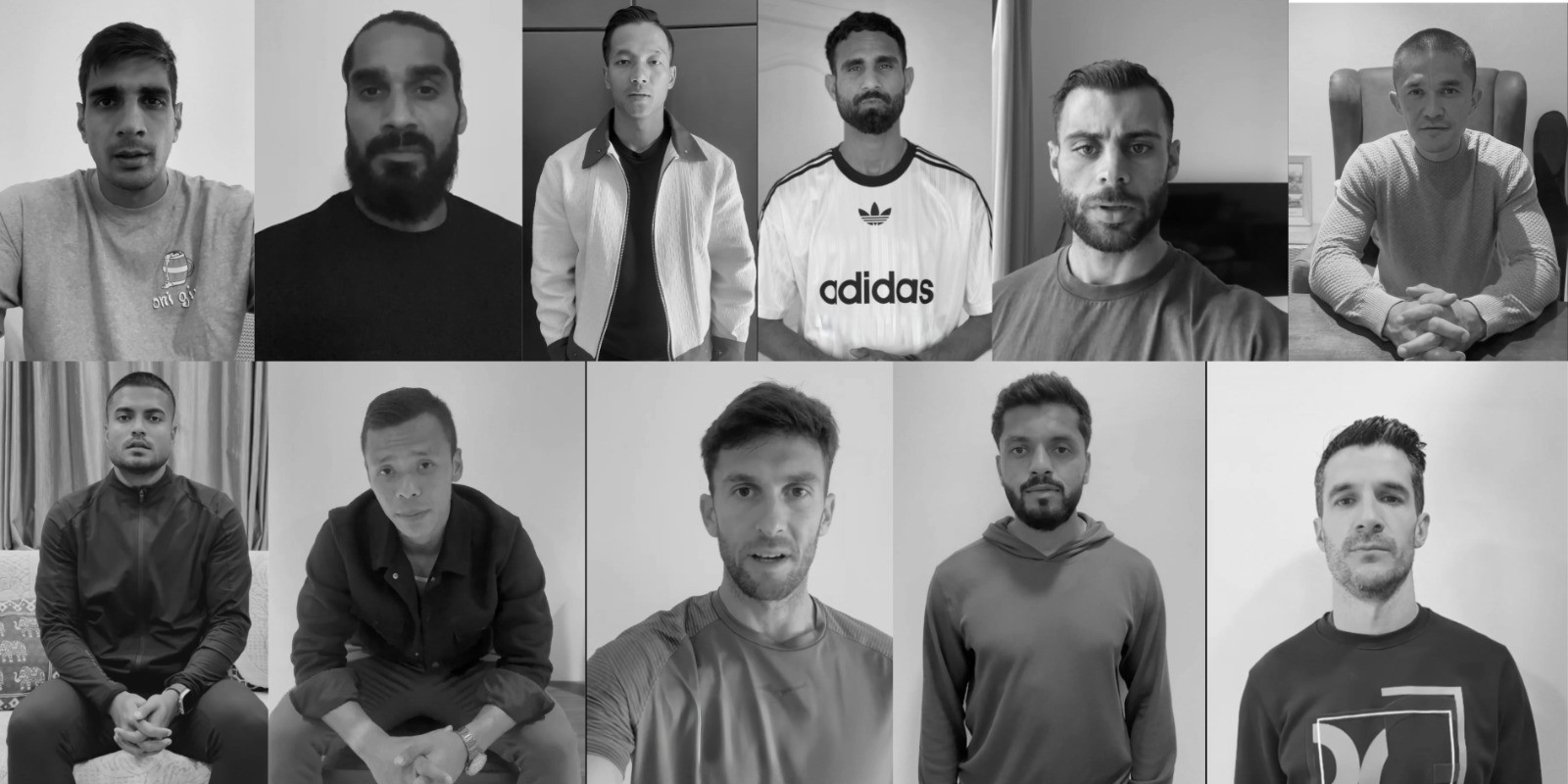
In a joint video message released this week, senior Indian internationals Sunil Chhetri, Gurpreet Singh Sandhu, Sandesh Jhingan, Rahul Bheke, Pritam Kotal, Lallianzuala Chhangte , along with foreign stars Hugo Boumous and Carlos Delgado , described the situation as a “humanitarian, sporting and economic crisis” and urged FIFA to intervene.
The appeal comes at a time when Indian football finds itself trapped in a striking contradiction. While India has spent close to ₹100 crore to host global icons like Lionel Messi for exhibition events, the country has failed to attract even a single bidder to monetise its own domestic leagues.
The last full ISL season was held in 2024-25 , running from September to April. Since then, the league has been on hold, with the planned 2025-26 season failing to take off. The bid deadline for awarding commercial rights to the ISL ended in early November 2025 without any response, leaving clubs, players, and staff in limbo.
Players say the impact is no longer just sporting. Contracts are uncertain, salaries are delayed, and careers are on pause. “January is when we should be playing competitive football,” said Gurpreet Sandhu. “Instead, we are living with fear and desperation,” added Sandesh Jhingan.
Beyond governance issues, the crisis has exposed deeper structural problems. Football in India survives almost entirely on leagues like the ISL. Unlike cricket, which has bilateral series, international tours, and multiple revenue streams, football depends on a functioning domestic ecosystem. Without leagues, there is no visibility, no grassroots pathway, and no financial stability.
Ironically, football also represents the only realistic alternative spectator sport that could rival the IPL in the long term. Stadium attendance and TV viewership for ISL had steadily grown over the last decade, with clubs like Mohun Bagan, Kerala Blasters, Bengaluru FC , and Mumbai City FC building loyal fan bases. Yet, without continuity, fans risk drifting away.
Commercial realities, however, remain harsh. ISL prize money has historically been modest, with champions earning around ₹6 crore, while clubs rely heavily on sponsorships and central revenue. Title sponsors like Hero MotoCorp and broadcasters such as Star Sports and JioCinema played key roles in keeping the league afloat, but revenues have never matched costs.
The franchise-based model, often cited as Indian football’s future, also faces limits. Global stars come at enormous prices, Cristiano Ronaldo reportedly earns over ₹100 crore for a single season in overseas leagues, a figure far beyond what Indian football can currently sustain. Without strong broadcast deals and sponsors, bringing elite talent remains financially unviable.
The current deadlock stems from unresolved contractual issues between the All India Football Federation (AIFF) and its long-time commercial partner Football Sports Development Limited (FSDL) , backed by Reliance. Their 15-year Master Rights Agreement expired at the end of 2025. Despite Supreme Court-mandated reforms, transparent tenders, and FSDL waiving its right of first refusal, no bidder has emerged so far.
Calling the players’ appeal non-political, Sunil Chhetri said the demand was simple: “Clarity, protection, and a future.” For many in Indian football, the fear is that without urgent intervention, this crisis could cause irreversible damage.
As players now look to FIFA for help, the question remains whether Indian football can move beyond high-profile one-off events and build a sustainable league system, or whether the game will continue to fade in a country that once believed it could stand shoulder to shoulder with cricket.