
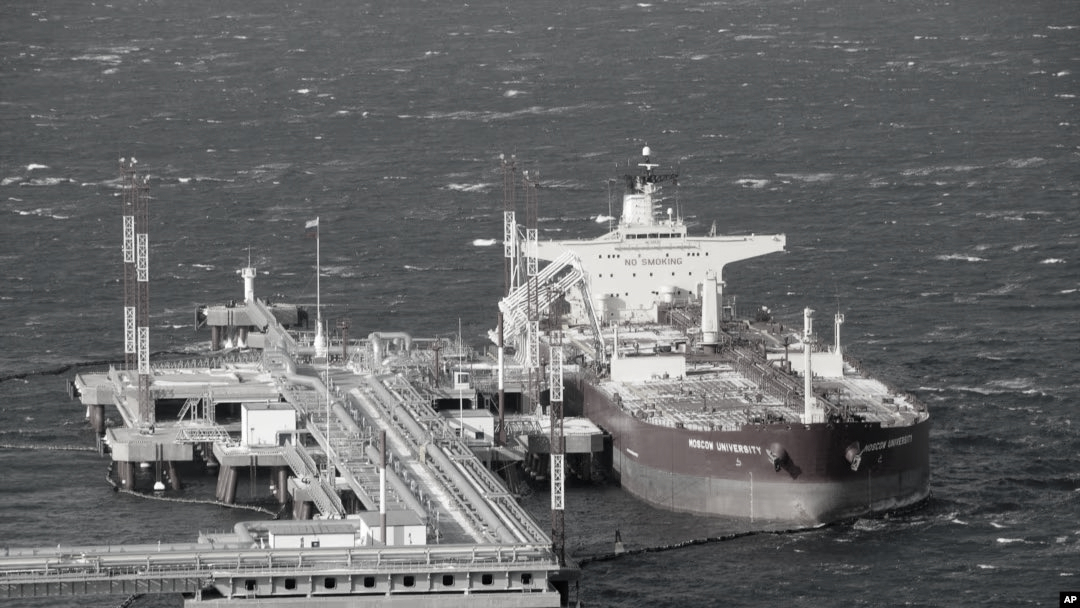
Indian banks consider financing non-sanctioned Russian oil trade
Indian banks are cautiously opening up to the idea of financing trade in Russian crude oil, but strictly from non-sanctioned suppliers, marking a shift in their earlier risk-averse approach. The move comes as Indian refiners push for cheaper crude amid higher global prices and tighter supply, with Russian Urals crude currently available at deeper discounts of around seven dollars below the Brent benchmark. Industry officials indicate that banks, which were earlier reluctant due to fears of violating Western sanctions, are now developing stricter compliance systems to verify the origin of oil and ensure that the cargo does not involve sanctioned entities or vessels that may have been involved in prohibited ship-to-ship transfers. Some lenders are also exploring using currencies like UAE dirhams and Chinese yuan instead of the US dollar for settlement to minimise exposure to sanction risks.
While banks involved have not been officially named due to sensitivity, it is understood that smaller and domestically focused banks, along with institutions active in trade finance such as EXIM Bank, may be among those facilitating such transactions. Some private and state-owned banks with limited Western exposure may also participate selectively under strict checks. There have also been discussions between some refiners and domestic banks like UCO Bank for facilitating payments through regulated channels. However, most large banks with significant global exposure, including those with direct US or EU presence, are expected to remain cautious.
Indian refiners such as IOC, BPCL, HPCL, Reliance, and Nayara Energy continue to import substantial volumes of Russian crude, provided it is sourced through non-sanctioned producers. India’s overall refining capacity crosses 258 million tonnes per annum, making it the world's fourth-largest refining hub, and even partial financing by domestic lenders could support considerable quantities of trade. The financing support is expected to cover specific cargoes rather than large long-term credit lines, focusing mostly on transaction-based financing, letters of credit and payment facilitation for qualified shipments.
Industry analysts note that while the financing may help improve supply security and lower import costs, banks still face significant risks. If any financed cargo is later linked to a sanctioned entity, lenders could face secondary sanctions, frozen payments or arbitration disputes. As a result, approvals are being granted case by case, after detailed due diligence on vessels, cargo ownership and trade documentation. The Indian banking system appears to be walking a tightrope, balancing commercial interests with geopolitical sensitivities, while ensuring compliance with international regulations.