
India-EU FTA called ‘Economic Colonisation Blueprint’ by farmers’ groups
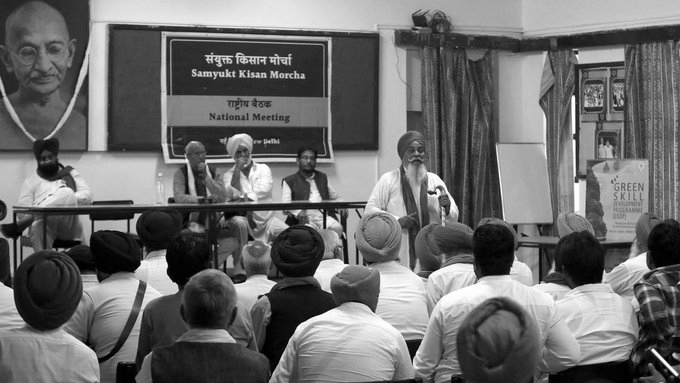
The Samyukt Kisan Morcha (SKM) on Friday sharply criticised the India-European Union Free Trade Agreement (FTA), calling it an “economic colonisation blueprint” that could enable corporate capture of the Indian market, devastate domestic agriculture and industry, and result in widespread unemployment.
In a statement, the umbrella body of farmers’ organisations said the deal, particularly the opening of the processed food market, will severely affect small farmers. “The agreement is not a fair trade deal but an economic colonisation blueprint that systematically favours corporate interests over farmers and ordinary citizens, ” SKM said.
The farmers’ body flagged the government’s complete waiver of import duties on products such as olive oil, margarine, other vegetable oils, fruit juices, non-alcoholic beer, processed foods, and sheep meat, warning that these imports will hurt Indian producers. It also objected to cuts in duties on wine (from 150% to 20–30%), spirits (from 150% to 40%), beer (from 110% to 50%), kiwis and pears (from 33% to 10%), and meat preparations (from 110% to 50%).
SKM accused Commerce Minister Piyush Goyal and Prime Minister Narendra Modi of succumbing to EU pressure by maintaining complex Sanitary and Phytosanitary (SPS) barriers that restrict Indian exports, while lowering India’s own standards to allow EU goods easier entry. “This double standard protects EU farmers while exposing our fields and consumers to unfair and unsafe competition,” the body said, citing repeated rejections of Indian grapes, apples, and mangoes.
The FTA, SKM warned, will allow €4 billion of subsidised EU dairy, processed foods, wines, and spirits to enter India annually, creating unfair competition that Indian farmers cannot match under the EU’s Common Agricultural Policy (CAP). The removal of tariffs on 96.6% of EU goods could flood the market with cheap imports, depress domestic prices, and replicate past crises in pulses and edible oils.
The FTA’s TRIPS-plus intellectual property provisions were also criticised for favouring European seed and agro-chemical monopolies, criminalising India’s traditional seed rights, and extending pharmaceutical patents, threatening the country’s generic medicine industry and healthcare affordability.
SKM further warned that duty-free imports of machinery, electrical equipment, aircraft, medical and surgical instruments could lead to deindustrialisation , devastate MSMEs, and cause significant job losses. The body demanded that the trade deal be debated in Parliament before implementation, calling the FTA a policy that prioritises corporate profits over farmers’ rights and public welfare.