
India unveils $450 million reconstruction plan for Sri Lanka after cyclone Ditwah
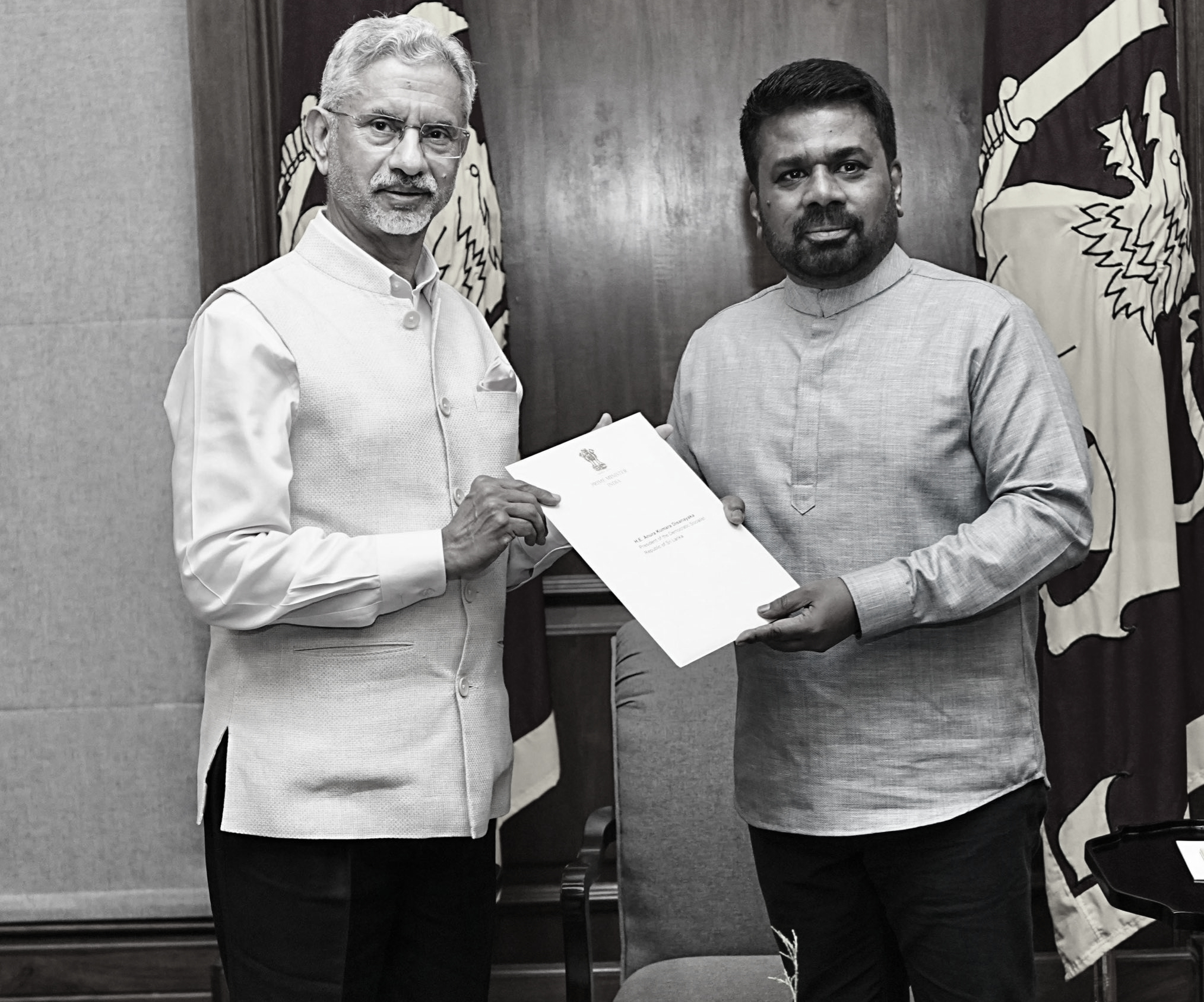
India has announced a USD 450 million reconstruction package to support Sri Lanka’s recovery after the devastation caused by Cyclone Ditwah, reinforcing its role as a trusted partner in regional relief and rebuilding efforts. The commitment was disclosed by External Affairs Minister S. Jaishankar during his two‑day visit to Colombo as Prime Minister Narendra Modi’s special envoy.
Speaking alongside Sri Lankan Foreign Minister Vijitha Herath, Jaishankar said the assistance reflects India’s deep ties with Sri Lanka and its readiness to help at a critical time, especially as the country was already confronting economic challenges before the cyclone struck.
The package comprises USD 350 million in concessional lines of credit and USD 100 million in grants to address immediate relief and long‑term reconstruction. Jaishankar noted that Prime Minister Narendra Modi had directed officials to collaborate closely with the Sri Lankan government to ensure that the aid meets the ground needs.
Funds will be used to rehabilitate and restore critical infrastructure such as roads, railways, and bridges, reconstruct homes fully destroyed or partially damaged, and support health and education facilities affected by the cyclone. The package also covers agricultural assistance to address possible shortages and efforts to strengthen disaster response and preparedness.
A key highlight of recent relief under Operation Sagar Bandhu was the joint inauguration of a 120‑foot dual carriageway Bailey bridge in Kilinochchi district, airlifted from India and installed to restore connectivity in severely affected areas. The ceremony, attended by President Anura Kumara Dissanayake , underscored ongoing collaboration between the two nations.
Operation Sagar Bandhu was launched by India on November 28, 2025, as a rapid Humanitarian Assistance and Disaster Relief (HADR) mission in the immediate aftermath of Cyclone Ditwah. Through this operation, India mobilised air, naval, and ground assets to deliver urgent aid to the hardest‑hit regions.
Under the operation, Indian naval ships and aircraft delivered thousands of tonnes of relief materials, including dry rations, tents, tarpaulins, hygiene kits, water purification equipment, medicines, inflatable rescue boats, generators, and excavators. Around 1,058 tonnes of essential supplies reached various parts of Sri Lanka, with more on the way.
Specialised teams from the National Disaster Response Force (NDRF) were deployed to assist in search and rescue operations, evacuating distressed residents and providing life‑saving support, while Indian Air Force helicopters and transport aircraft ensured rapid delivery of aid and evacuation missions.
In addition to physical relief, India deployed a fully functional field hospital with medical personnel, setting up dedicated medical facilities in affected areas to treat injuries and provide trauma care. Efforts also included specialised evacuation of stranded civilians and provision of clean drinking water and ongoing health support.
Operation Sagar Bandhu also featured innovative solutions such as the deployment of satellite-based internet connectivity by the Indian Army to maintain communication in flood‑ravaged regions where terrestrial networks had collapsed, enabling telemedicine, coordination, and logistical communication crucial to the relief effort.
Beyond immediate relief, India facilitated the evacuation of thousands of stranded Indian nationals from Sri Lanka, further reflecting the comprehensive scope of humanitarian support under the mission.
Highlighting the human dimension of the crisis, Cyclone Ditwah was one of the most severe natural disasters to hit Sri Lanka in decades, causing extensive flooding, landslides, loss of life, and widespread destruction of homes, crops, and infrastructure across many districts.