
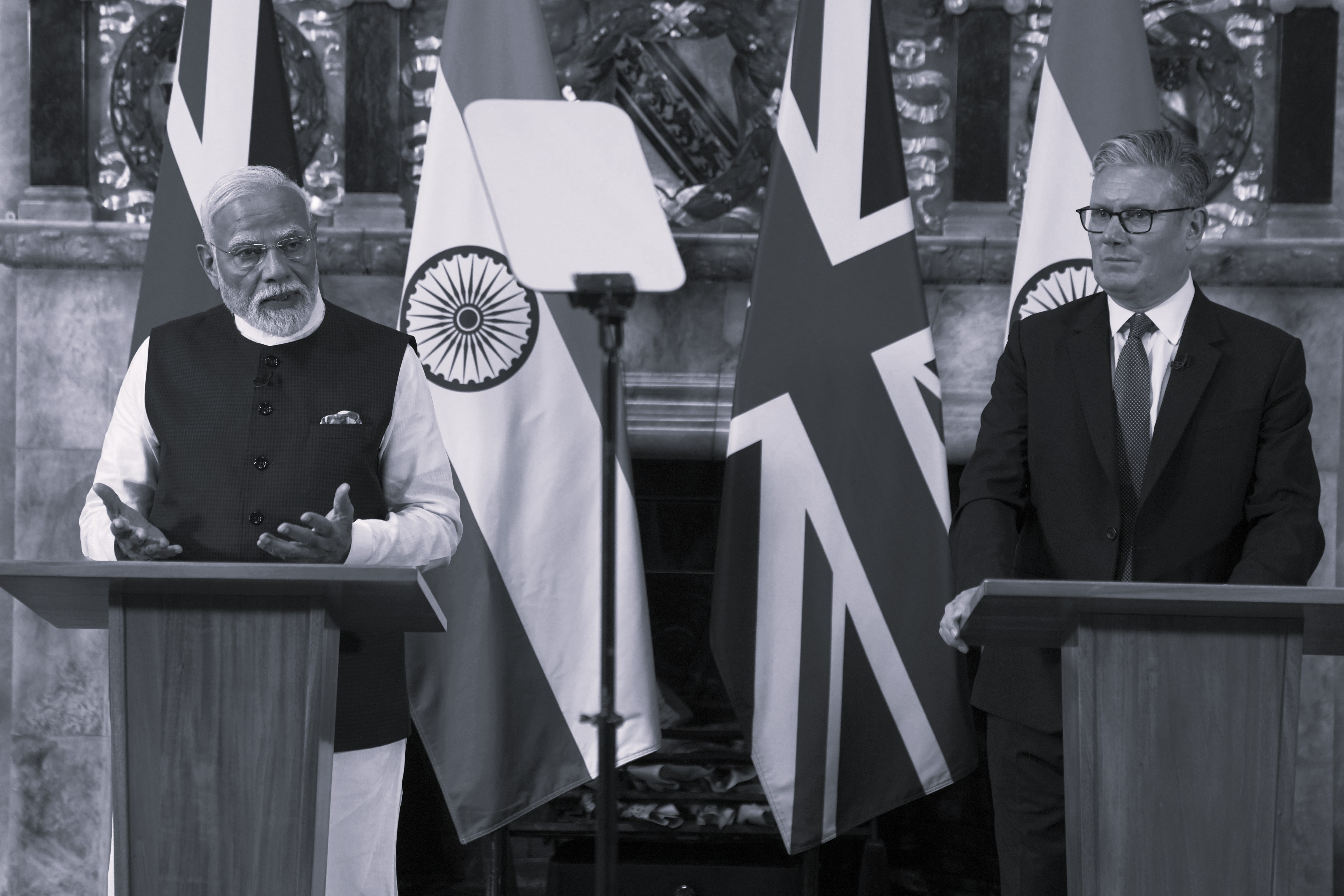
India, United Kingdom Boost Security Ties, Target Extremism and Organised Crime
India and the United Kingdom have agreed to expand cooperation in counter-terrorism , organised crime , and broader security coordination , placing particular focus on pro-Khalistani extremist networks and anti-India activities in Britain. The understanding emerged during the sixth India–UK Home Affairs Dialogue held in New Delhi, where officials reviewed existing ties and explored new areas of engagement.
The Indian delegation was led by Dr Rajendra Kumar , Secretary (Border Management), while the British side was headed by Simon Ridley , Second Permanent Secretary at the UK Home Office. Senior officials from both governments participated in the talks, reflecting the importance both countries attach to internal security cooperation and sustained institutional engagement.
During the discussions, both sides assessed ongoing collaboration and identified further opportunities for joint action in counter-terrorism , drug trafficking , migration management , cyber-security , and criminal-justice coordination. India also flagged concerns regarding security breaches involving its diplomats and missions in the UK, underscoring the need for stronger protection of diplomatic establishments.
Officials emphasised that extremist groups and other hostile organisations operating abroad remain a major concern for New Delhi, and closer intelligence sharing and law-enforcement coordination are expected to be strengthened. This reflects India’s continued effort to ensure that overseas networks do not threaten its national security interests.
The dialogue also highlights the broader trend of deepening India–UK strategic partnership across multiple domains, from trade and technology to security cooperation. Experts note that closer internal-security coordination aligns with India’s evolving national approach that integrates counter-terrorism , cyber defence , and intelligence cooperation.
With a large Indian diaspora in Britain, concerns over extremism , transnational crime networks, illegal migration routes and online radicalisation have become increasingly prominent in bilateral discussions. Both sides expressed satisfaction with existing cooperation and agreed to maintain momentum through continued engagement and information-sharing , with the aim of strengthening their shared response to emerging global threats.