
India tops global charts in drug safety reporting
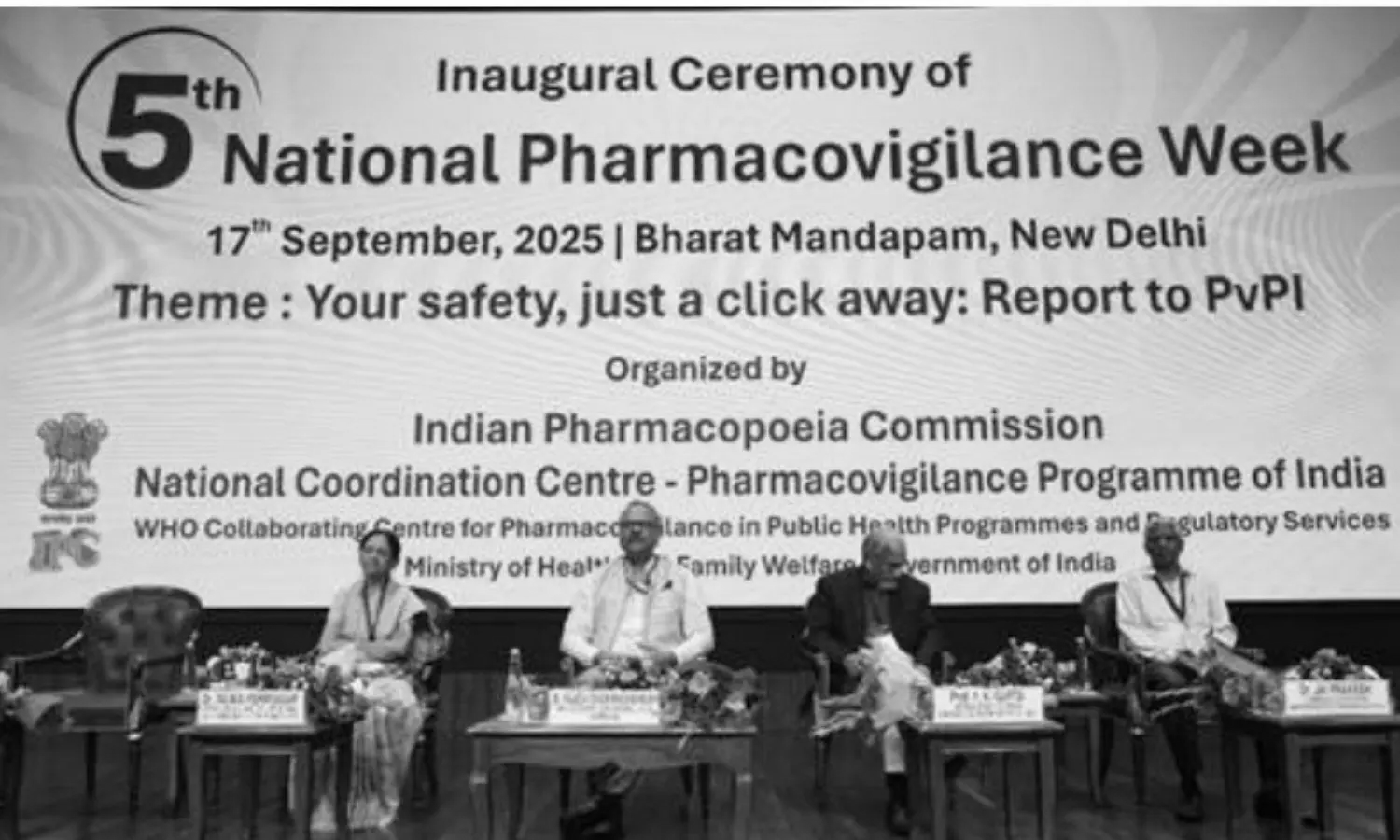
India has quietly moved to the front lines of drug-safety vigilance. At the inauguration of the 5th National Pharmacovigilance Week, Drugs Controller General of India Dr. Rajeev Raghuvanshi said India now ranks among the top global contributors for reporting adverse drug events, a milestone that shows years of steady work by hospitals, regulators and the Pharmacovigilance Programme of India (PvPI).
Pharmacovigilance is simply the system that spots, collects and investigates harmful or unexpected effects from medicines. The Indian Pharmacopoeia Commission, which runs PvPI as the national coordination centre, launched the week under the theme “Your safety, just a click away: Report to PvPI”, aiming to make reporting easy and visible to the public.
Why this matters: better reporting means earlier warnings, safer medicine use and fewer avoidable harms. PvPI has been building the backbone for this work for years, training adverse-event monitoring centres, collecting reports nationally and publishing regular performance data, so today’s “top contributor” tag is the result of institutional scale up, not overnight luck.
At the event, IPC unveiled several people-friendly moves: a short film to explain pharmacovigilance, a comic translated into several vernacular languages to reach lay audiences, and a new online reporting platform accessible via QR code, small design choices meant to convert awareness into action. Regulators also stressed that most reports still come from healthcare professionals, officials want to widen participation so patients and caregivers report directly, too.
A reality check: progress is real but incomplete. Indian data now feeds global safety databases, yet studies show under reporting and uneven quality of reports remain problems in many hospitals and regions. Improved numbers can coexist with gaps in follow up, causality assessment and analytics, more reports are not automatically better unless data is timely, detailed and acted upon.
Policy and tech are moving in the right direction, recent regulatory updates have tightened timelines and pushed for digitised reporting, but impact will depend on execution. Faster reporting rules, joined with mass awareness drives, mandatory reporting by private facilities, user friendly digital forms, and stronger data science teams at PvPI would close the loop from “signal” to “safety action.”
Bottom line: India’s rise in ADR reporting is a public health win, a sign that systems and people are stepping up. The next challenge is to turn volume into value, make patient reporting routine, ensure high quality investigations, and use modern analytics to turn reports into clear, timely safety decisions. If that happens, the country won’t just top charts, it will save lives.