
India to teach AI in schools from Class 3
The Ministry of Education (MoE) has announced that Artificial Intelligence (AI) and Computational Thinking (CT) will be introduced as part of the school curriculum from Class 3 onwards, starting in the academic session 2026–27. The initiative aims to make students future-ready and promote the ethical use of AI for public good.
The Department of School Education and Literacy (DoSE&L) is working with the CBSE, NCERT, Kendriya Vidyalaya Sangathan (KVS), Navodaya Vidyalaya Samiti (NVS), and state governments to design an inclusive and comprehensive AI & CT curriculum under the National Curriculum Framework for School Education (NCF SE) 2023.
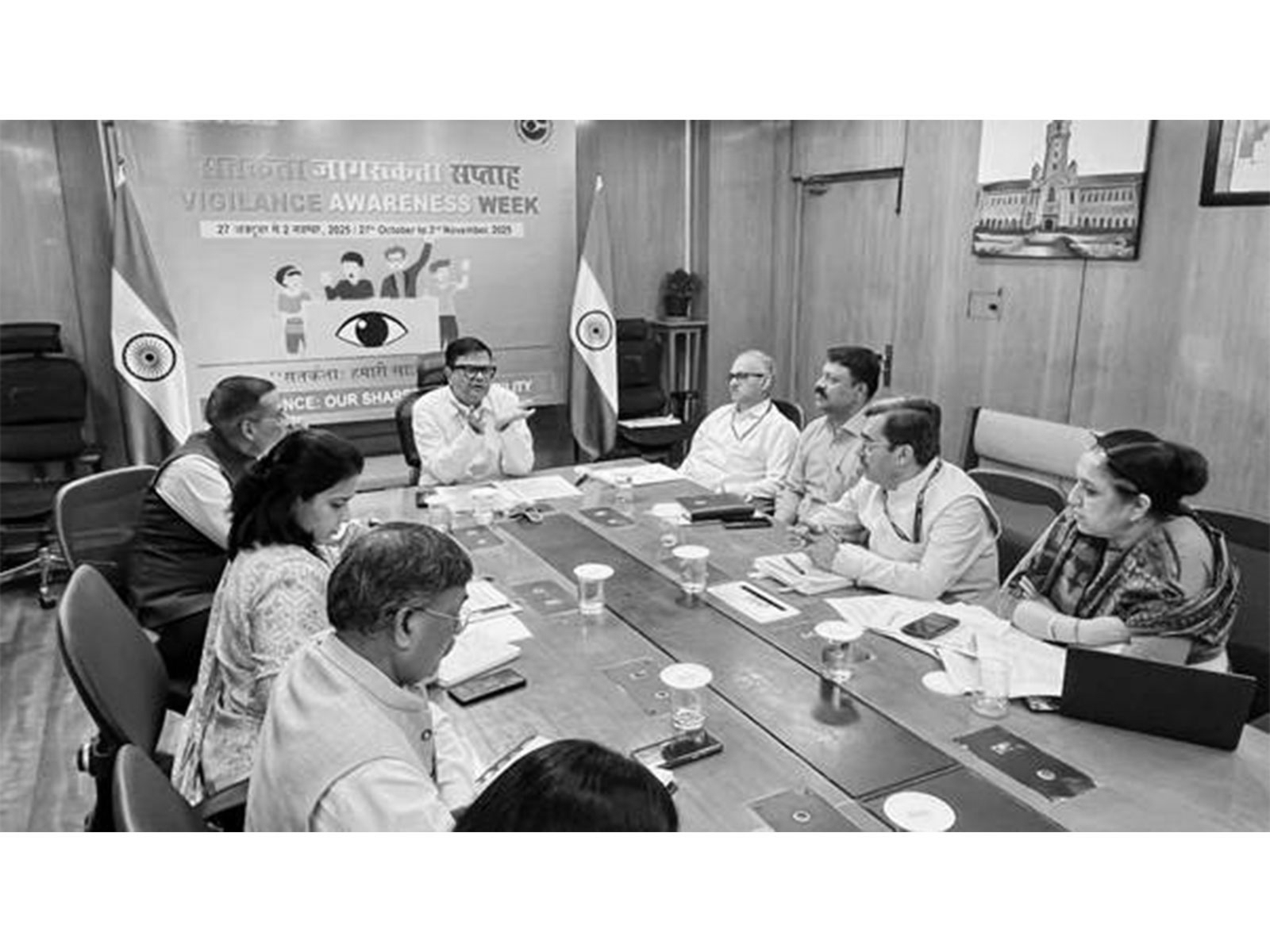
A stakeholder consultation held on October 29, 2025, brought together education experts and institutional representatives to deliberate on the curriculum framework. The Central Board of Secondary Education (CBSE) has also set up an expert committee chaired by Prof. Karthik Raman of IIT Madras to develop the detailed AI & CT curriculum.
Sanjay Kumar, Secretary, DoSE&L, said AI education should be treated as a “basic universal skill” connected to real-world learning through “The World Around Us (TWAU).” He stressed that the curriculum must be broad-based, inclusive, and aligned with NCF SE 2023, while ensuring every child’s unique potential is recognised.
He also highlighted that teacher training and learning materials including modules from NISHTHA and video-based resources will form the backbone of implementation. A coordination committee between NCERT and CBSE will oversee quality assurance and integration.
According to the Ministry, resource materials, handbooks, and digital resources will be ready by December 2025, with structured, grade-specific teacher training to follow. The initiative aligns with the National Education Policy (NEP) 2020, marking a major step toward embedding AI learning at the foundational level of India’s education system.