
India Targets Top Semiconductor Nation Status by 2035 with New Budget and Technology Push
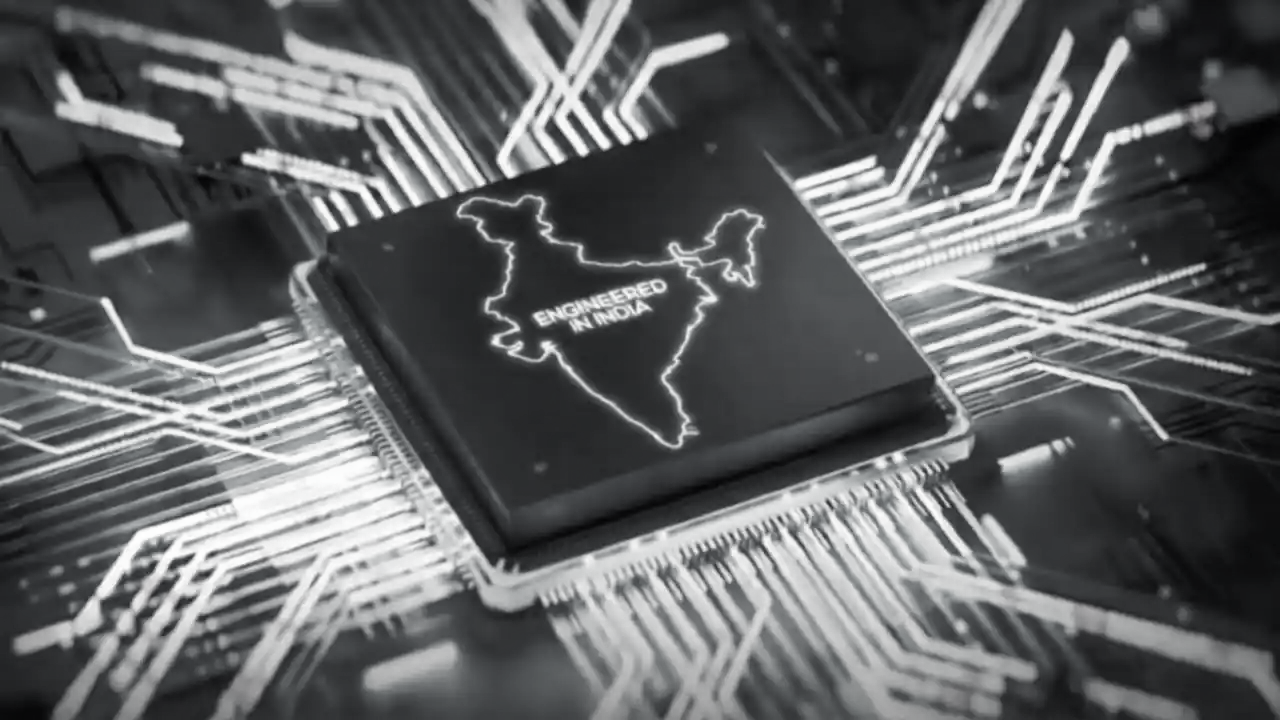
The Union Budget 2026–27 heralded a major leap in India’s semiconductor ambitions with the launch of India Semiconductor Mission 2.0 (ISM 2.0) . Building on the foundation of ISM 1.0, this next phase aims to strengthen domestic chip manufacturing, foster indigenous technology, and integrate India into the global semiconductor supply chain .
Under ISM 2.0, a provision of ₹1,000 crore has been earmarked for FY 2026–27 to establish industry-led research and training centres , develop a skilled workforce, and accelerate technological advancements in semiconductor fabrication, assembly, testing, and design. The initiative also focuses on the domestic production of semiconductor equipment and materials and the development of full-stack Indian semiconductor intellectual property (IP) .
Semiconductors, critical to modern electronics, power devices ranging from smartphones, computers, and telecommunications equipment to automobiles, aerospace, defense systems, and AI technologies . ISM 1.0, launched in 2021 with ₹76,000 crore in incentives , successfully laid the groundwork by approving 10 major projects across six states , totaling an investment of ₹1.60 lakh crore , including silicon fabs, silicon carbide fabs, advanced packaging, and testing facilities. By 2029, India is expected to meet 70–75% of domestic chip requirements .
ISM 2.0, however, takes India’s semiconductor ambitions to the next level. The mission aims to achieve advanced manufacturing with 3-nanometre and 2-nanometre technology nodes , reduce dependence on imports, and strengthen strategic sectors such as defense, AI, telecommunications, industrial electronics, and power systems . A modified programme with ₹8,000 crore funding will accelerate capital investment, expand chip design and display fabrication capabilities, and generate high-quality employment.
With India emerging as a global semiconductor hub , the mission aligns with the vision of Make in India and Make for the World , positioning the country as a reliable participant in the global semiconductor network. ISM 2.0 reflects India’s transition from policy planning to production readiness and technological self-reliance , aiming to place India among the top semiconductor nations globally by 2035 .