
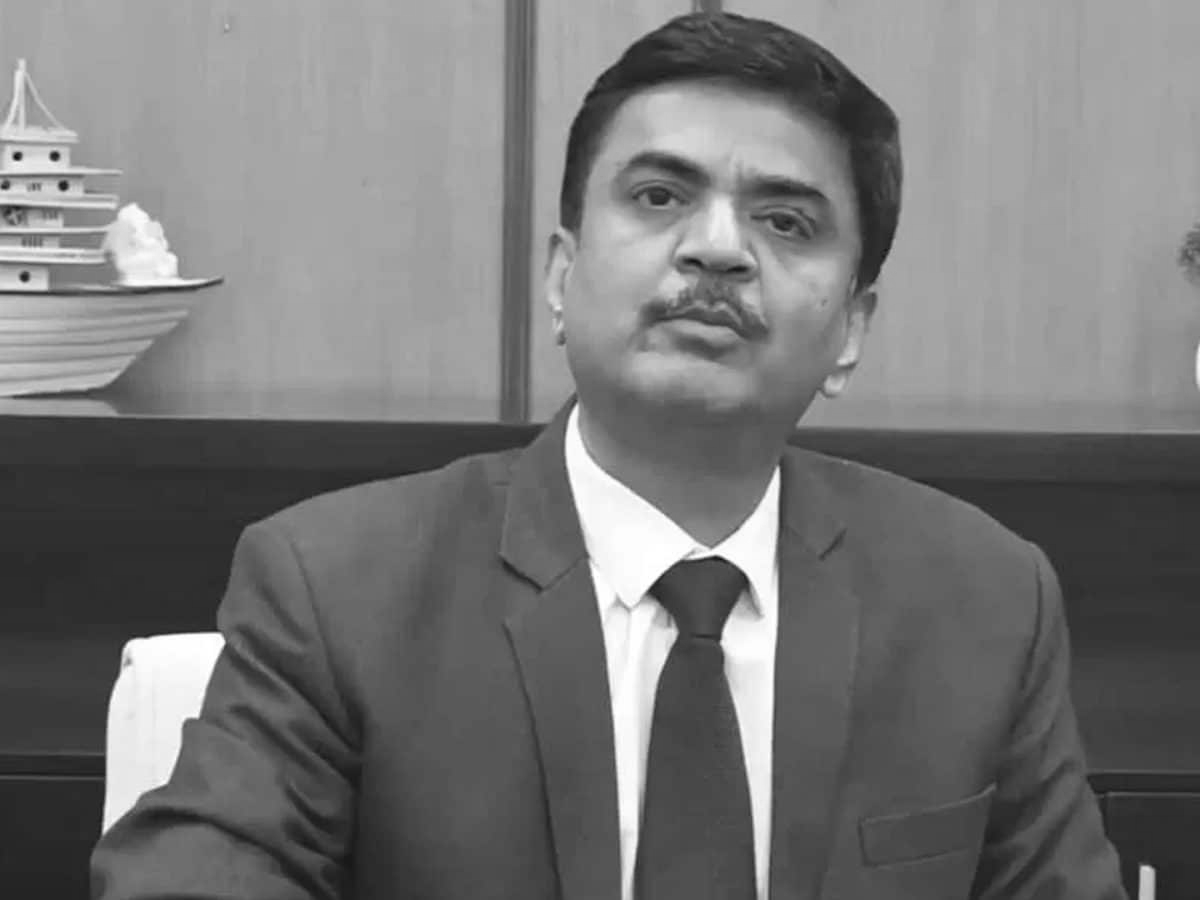
India targets 300 million tonnes steel capacity by 2030, 500 million tonnes by 2047: Secretary Sandeep Poundrik
India has set an ambitious goal of achieving 300 million tonnes of steel-making capacity by 2030 and 500 million tonnes by 2047, announced Sandeep Poundrik, Secretary, Ministry of Steel, at the inaugural session of the Confederation of Indian Industry (CII) Steel Summit 2025.
Mr. Poundrik described the steel industry as the backbone of the Indian economy and a key enabler in realising the vision of Viksit Bharat (Developed India). He highlighted that India’s steel capacity has almost doubled from around 100 million tonnes a decade ago to nearly 200 million tonnes today, largely driven by strong infrastructure expansion and rapid industrialisation.
Over the last decade, large-scale infrastructure projects such as Bharatmala, Sagarmala, Smart Cities Mission, and Gati Shakti, along with major investments in housing, railways, ports, and highways, have significantly increased steel demand. Simultaneously, the Make in India and Atmanirbhar Bharat initiatives have boosted domestic manufacturing and reduced reliance on imports.
Despite being the second-largest producer of crude steel in the world, India currently imports certain grades and specialised types of steel. The government now aims to eliminate these imports and transform India into a net exporter of steel in the coming years, aligning with Prime Minister Narendra Modi’s vision of achieving “zero steel imports and net export” status.
The steel industry presently contributes about 2% to India’s GDP and supports more than 22 lakh jobs directly and indirectly. It forms the foundation of over 200 allied sectors, including construction, automobiles, engineering, and renewable energy, underscoring its critical role in national development.
To realise the 2030 and 2047 capacity targets, the government is focusing on a comprehensive roadmap centred on infrastructure expansion, raw material security, technology adoption, and green manufacturing. Key measures include:
• Establishing new integrated steel plants and expanding existing capacities through public and private investments.
• Ensuring steady availability of iron ore, coking coal, and scrap while encouraging scrap recycling and Direct Reduced Iron (DRI) technology.
• Promoting green steel production using hydrogen-based processes and carbon capture technologies.
• Updating the National Steel Policy to facilitate sustainable investments and ease of doing business.
• Enhancing research, innovation, and skill development through collaboration between industry and academia.
• Strengthening logistics infrastructure and energy efficiency measures to reduce costs and emissions.
Mr. Poundrik stressed that achieving these ambitious goals will require close coordination between government, industry, and research institutions, supported by technological innovation and sustainable practices.
With a clear focus on self-reliance, sustainability, and global competitiveness, the steel sector is expected to remain a central pillar of India’s economic growth and play a decisive role in shaping a Viksit Bharat by 2047.