
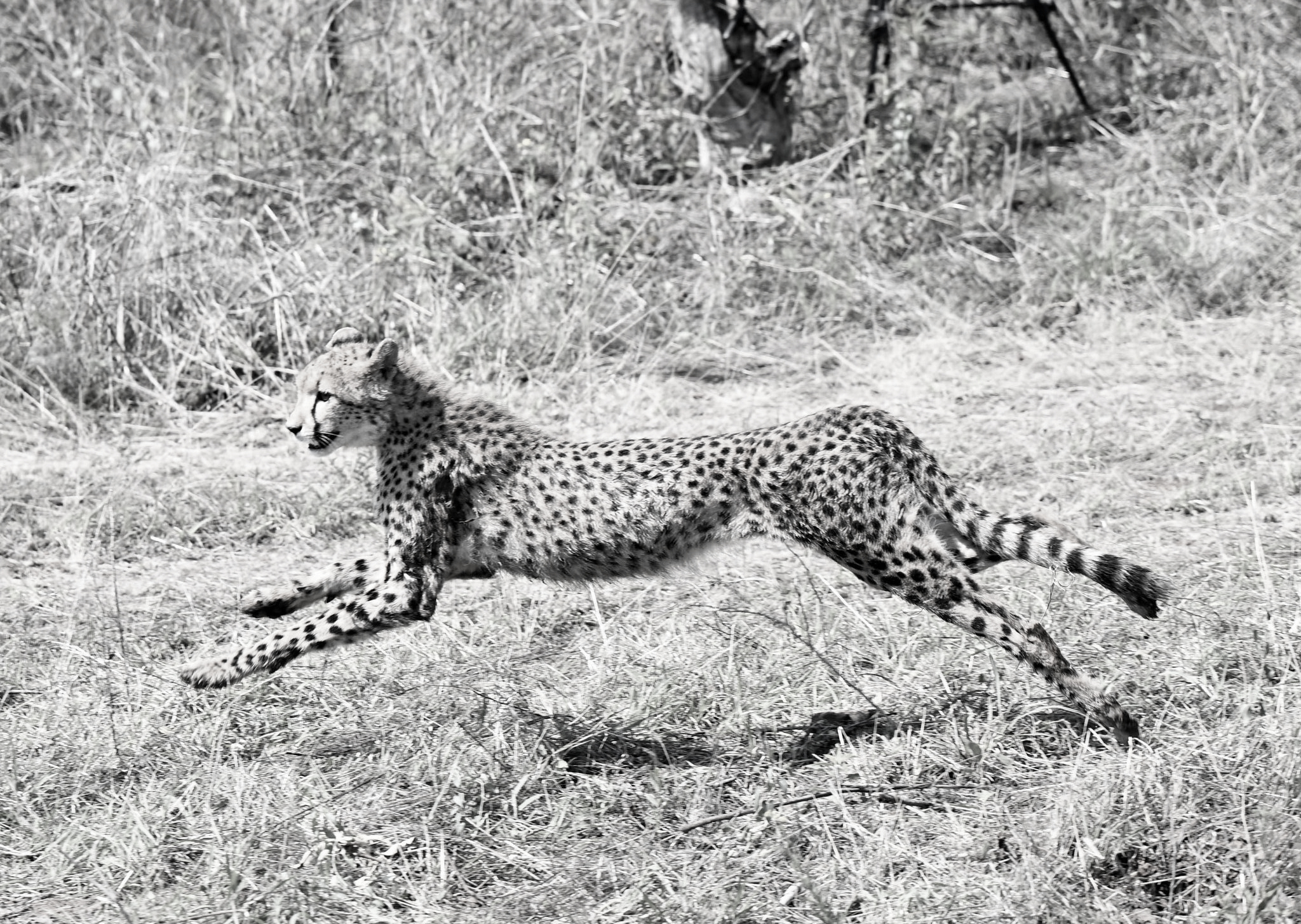
India strengthens wildlife conservation as Botswana hands over eight cheetahs
In a landmark gesture of wildlife conservation, President Droupadi Murmu of India and Botswana’s President Duma Gideon Boko visited the Mokolodi Game Reserve in Gaborone on Thursday, marking a significant step in India-Botswana collaboration. During the visit, Botswana formally handed over eight cheetahs to India under the next phase of Project Cheetah, a flagship initiative launched by Prime Minister Narendra Modi to restore the species in its historical Indian habitats.
The cheetahs, comprising both adults and sub-adults, were transported from Ghanzi town in the Kalahari desert. Two of them were placed in a quarantine enclosure in Botswana, the first step in the translocation process. After completing health checks and quarantine, they will be flown to India in the coming weeks, where they will join the existing cheetah population in Kuno National Park, Madhya Pradesh, undergoing a short acclimatization period before being released into the wild.
Cheetahs were declared extinct in India in 1952, primarily due to excessive hunting, habitat loss, and depletion of prey species. Once widespread across the subcontinent, the species disappeared from Indian ecosystems, highlighting the need for focused conservation measures.
Project Cheetah, aims to reintroduce cheetahs to India by collaborating with African nations. The program began in 2022 with eight cheetahs from Namibia, followed by twelve from South Africa in 2023. These cheetahs were relocated to Kuno National Park, where India has now recorded 27 cheetahs, including 16 born on Indian soil, with 26 cubs successfully hatched despite 19 deaths from various causes. The cheetahs from Botswana will further bolster this population.
President Murmu said at the ceremony, "These cheetahs will join their brothers and sisters in India’s Kuno National Park, helping us restore the species in its historical habitat." President Boko added, "Botswana was glad to support efforts to rebuild India’s cheetah population," reflecting the shared commitment of both countries to conservation.
India has ensured that Kuno National Park and other potential sites offer suitable habitats for cheetahs, including open grasslands, scrublands, adequate prey populations, and water sources. Lessons from India’s tiger and Asiatic lion conservation programs show that with proper habitat management, monitoring, and anti-poaching measures, endangered species can thrive even in human-dominated landscapes.
The cheetah handover underscores the growing India-Africa conservation partnership, with Botswana expressing readiness to collaborate further on Project Cheetah and future translocations. The initiative aims not only to restore a species extinct in India for over seven decades but also to reinforce biodiversity, ecological balance, and long-term conservation ties between the two nations.