
India stands firm against China-led investment pact at WTO
India has strongly opposed the China-led Investment Facilitation for Development (IFD) Agreement , resisting its incorporation into the World Trade Organisation (WTO) framework at the ongoing 14th WTO Ministerial Conference in Yaounde, Cameroon.
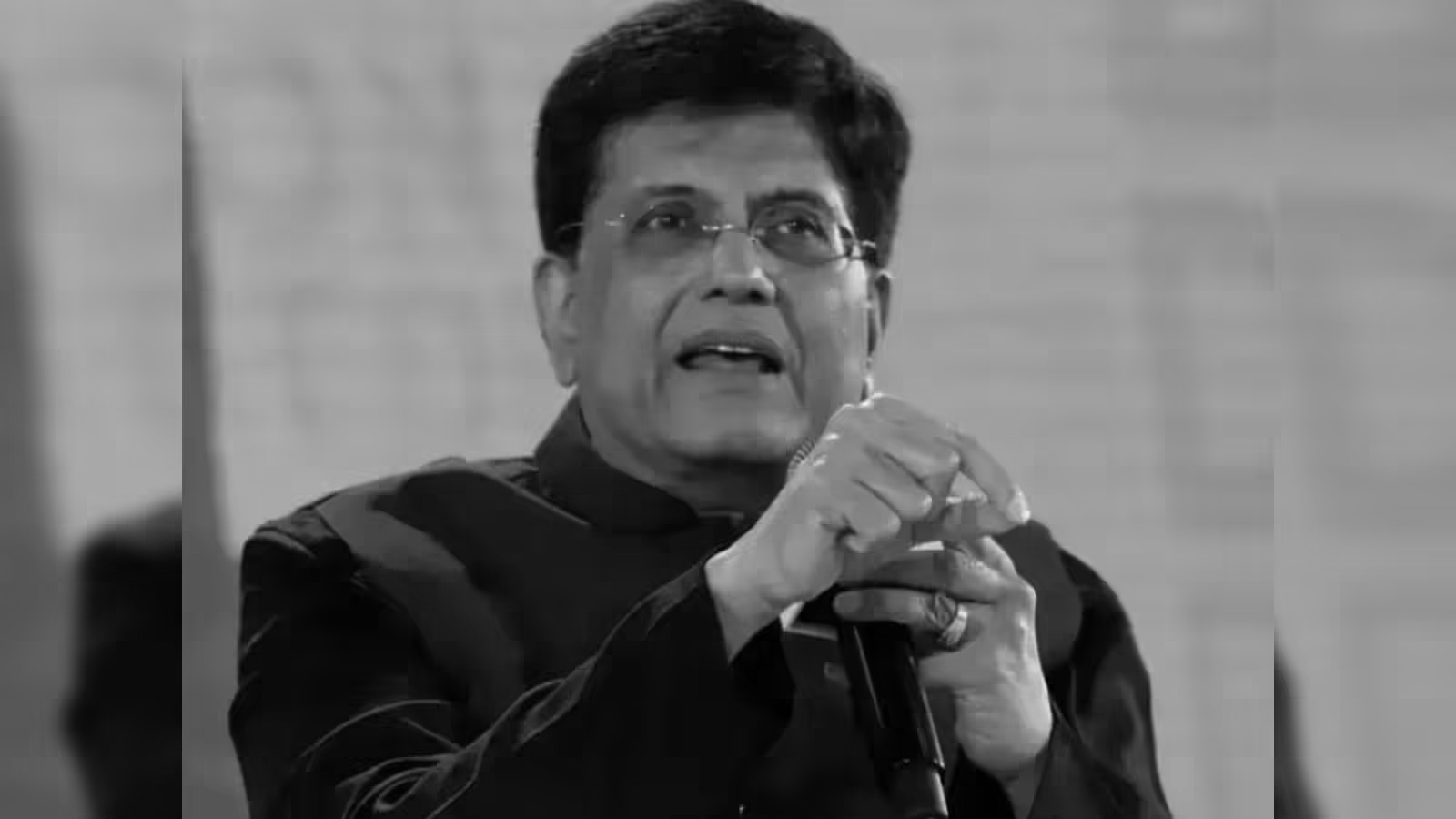
Commerce and Industry Minister Piyush Goyal warned that the IFD could weaken the functional limits of the WTO and undermine its foundational principle s, emphasizing India’s position in a social media post inspired by Mahatma Gandhi’s philosophy of truth prevailing over conformity . “At #WTOMC14, India showed the courage to stand alone on the contentious IFD Agreement and did not agree to its incorporation as an Annex 4 Agreement ,” Goyal said.
The IFD is a China-led plurilateral investment pact, first proposed in 2017 , aimed at facilitating and easing foreign investments among participating countries. Only signatory members of the pact are bound by its rules. Several nations heavily dependent on Chinese investments, along with countries holding sovereign wealth funds, are party to the agreement. Critics argue it favors large investors and certain countries, potentially limiting policy space for developing nations.
India believes that integrating the IFD into the WTO could erode multilateralism by creating parallel rules binding only on select members, potentially undermining the equitable, consensus-driven framework of the organisation. Goyal stressed that while India is open to good-faith discussions on investment facilitation, it cannot accept agreements that bypass WTO’s foundational principles or compromise national policy autonomy. India had similarly opposed the IFD at the MC13 in Abu Dhabi.
The WTO is the global body regulating international trade, promoting free trade, fair competition, and rule-based dispute resolution among its 164 member nations. Its agreements are primarily multilateral, meaning all members must adhere, though plurilateral agreements like Annex 4 apply only to those who opt in. India’s stance reflects its insistence on strengthening WTO’s multilateral framework while ensuring reforms do not favor a few powerful nations.
Goyal reiterated India’s commitment to constructive engagement under the WTO Reform Agenda, emphasizing that truth and principle must guide global trade decisions.