
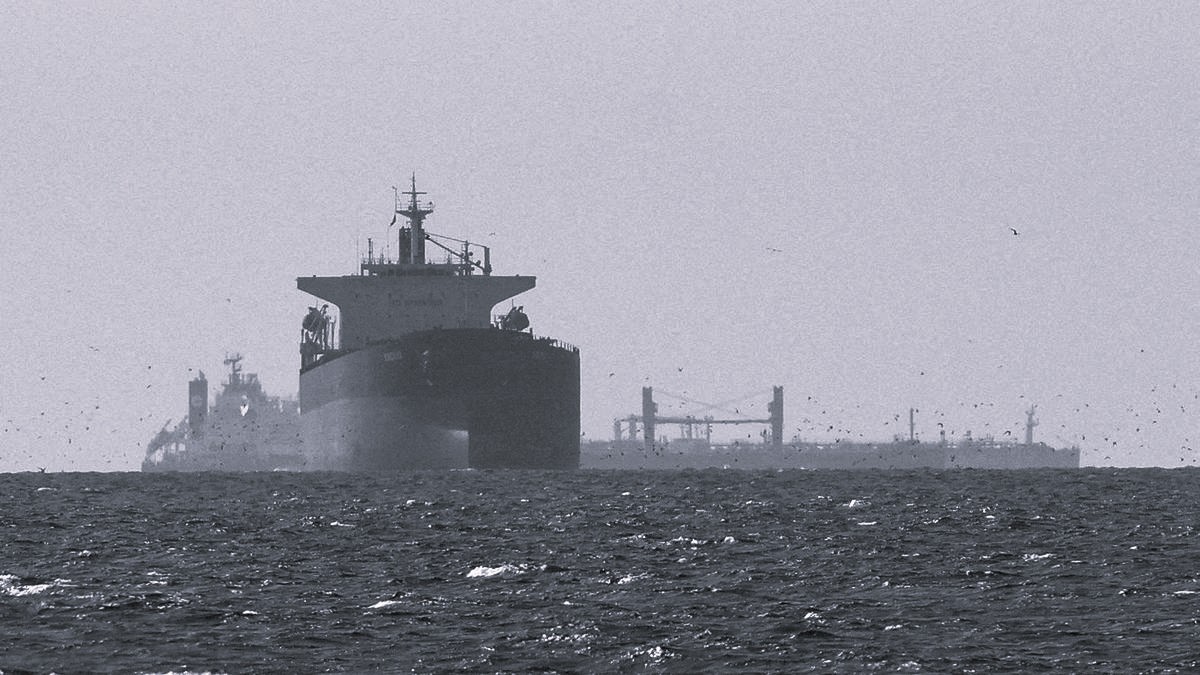
India Reopens Iran Oil Route After 2019 Halt, First Cargo Heads to Gujarat
India’s energy relationship with Iran once a cornerstone of its crude procurement strategy appears to be cautiously reviving after a prolonged hiatus, reflecting a complex interplay of geopolitics, market pressures, and strategic necessity. The arrival of an Iranian crude cargo at Gujarat’s Vadinar port, the first since 2019, signals a tentative reopening of a key energy corridor that had been shut due to international sanctions. This development follows a temporary 30-day waiver granted by the United States administration , allowing countries to purchase Iranian oil already at sea, primarily to ease global supply pressures triggered by ongoing conflict in West Asia.
Historically, Iran was one of India’s most important crude suppliers, accounting for over 10–11 percent of total imports at its peak. Indian refiners favoured Iranian crude for its competitive pricing, extended credit facilities, and compatibility with domestic refinery configurations, particularly for processing Iran Light and Iran Heavy grades. Imports reached as high as 518,000 barrels per day in 2018, underscoring the depth of this energy partnership. However, the relationship came to an abrupt halt in 2019 after the United States reimposed stringent sanctions on Tehran following its withdrawal from the nuclear deal. While India initially received temporary waivers, these expired in May 2019, forcing a complete cessation of imports. The risks of secondary sanctions, exclusion from global financial systems, and severe banking and insurance constraints made continued trade untenable.
A major obstacle was Iran’s exclusion from the global financial messaging system operated by SWIFT , which complicated payment mechanisms and restricted international transactions. In response, India diversified its crude sourcing strategy, increasing imports from countries such as Iraq, Saudi Arabia, the United States, and Russia, thereby reducing dependence on any single supplier while maintaining energy security.
The current resumption of Iranian oil imports, though limited, has been driven by extraordinary global circumstances. The ongoing geopolitical tensions and disruptions in critical energy routes have tightened supply chains and pushed up crude prices, prompting consuming nations to explore all available options. The US waiver has unlocked access to millions of barrels of Iranian crude stored on vessels at sea, providing an immediate and cost-effective supply opportunity. For India, this is particularly significant given its status as the world’s third-largest oil importer and its constant need to balance affordability with supply stability.
Additional factors also support this renewed engagement. Large volumes of Iranian oil—estimated to be tens of millions of barrels are currently available at competitive rates, making them attractive to price-sensitive Indian refiners. Moreover, Indian refineries are technically well-suited to process Iranian crude, allowing operational efficiency without major adjustments. At the same time, the move aligns with India’s broader strategy of maintaining a diversified import basket while tactically leveraging short-term market opportunities.
Despite these advantages, considerable uncertainties remain. Payment channels continue to be a major challenge due to ongoing financial restrictions on Iran, and the temporary nature of the US waiver limits the scope for long-term planning. Additionally, geopolitical volatility in the region poses risks of renewed disruptions or tightening sanctions. As a result, Indian refiners are approaching purchases cautiously, guided primarily by techno-commercial feasibility rather than any formal policy shift.
In essence, India’s renewed purchase of Iranian oil represents a pragmatic and carefully calibrated response to evolving global energy dynamics. It is not yet a full-scale revival of bilateral energy ties, but rather a tactical move shaped by immediate supply concerns and market realities. The long-term trajectory of this relationship will depend on how geopolitical tensions unfold, whether sanctions regimes evolve, and how global oil markets stabilise in the months ahead.