
India Rejects Hague Tribunal Award, Reiterates Indus Waters Treaty Is In Abeyance
India on Saturday firmly rejected a ruling issued by the Permanent Court of Arbitration Permanent Court of Arbitration in The Hague concerning certain hydroelectric projects in Jammu and Kashmir, reiterating that the Indus Waters Treaty remains in abeyance and that it does not recognise the tribunal’s jurisdiction or authority.
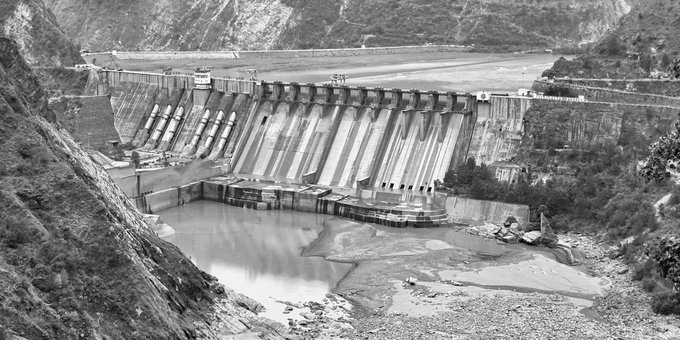
The award pertains to Pakistan’s objections to the Kishenganga and Ratle hydropower projects, which have long been at the centre of dispute between the two countries under the framework of the Indus water-sharing arrangement.
Reacting strongly, Ministry of External Affairs spokesperson Randhir Jaiswal said India “categorically rejects” the so-called award issued on May 15, describing the Court of Arbitration as “illegally constituted”. He asserted that India has never accepted the establishment of the tribunal and therefore does not recognise any of its proceedings, decisions, or awards.
“The illegally constituted so-called Court of Arbitration has issued what it termed an award concerning maximum pondage supplemental to the award on issues of general interpretation of the Indus Waters Treaty,” Jaiswal said. He further stated that any ruling issued by the body is “null and void” and without legal standing.
India also reiterated that it has consistently rejected all prior pronouncements made by the arbitration mechanism and maintained that its position remains unchanged. The government underlined that the entire process lacks legitimacy and cannot be enforced against India in any form.
The Indus Waters Treaty Indus Waters Treaty, signed in 1960, has historically governed the sharing of river waters between India and Pakistan and is often regarded as one of the most significant water-sharing agreements between the two neighbours.
However, India placed the treaty in abeyance following the April 22, 2025 Pahalgam terror attack Pahalgam terror attack, along with a series of diplomatic and strategic measures taken against Pakistan.
Reaffirming its stance, India said the decision to keep the treaty in abeyance continues to remain in force, and that it will not be bound by any rulings issued by what it considers an “illegally constituted” arbitration forum. The development comes amid ongoing tensions between India and Pakistan over hydropower projects and river water regulation under the treaty framework.