
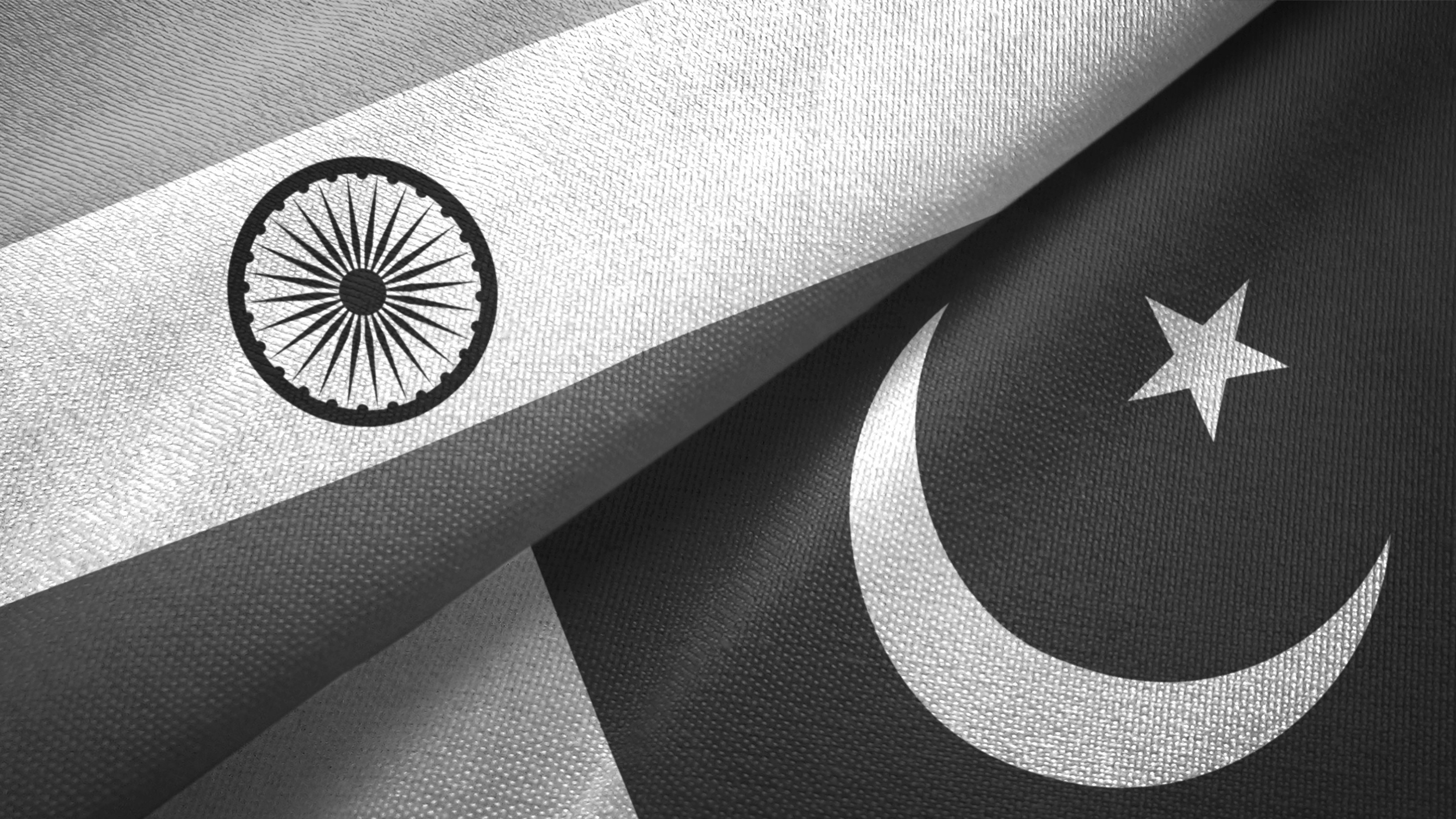
India, Pakistan exchange lists of nuclear installations, civilian prisoners
India and Pakistan on Thursday exchanged lists of their nuclear installations and facilities that are barred from attack in the event of hostilities, continuing a long-standing confidence-building measure under a bilateral agreement signed more than three decades ago.
The exchange was carried out simultaneously through diplomatic channels in New Delhi and Islamabad, the Ministry of External Affairs (MEA) said, despite bilateral relations remaining under deep freeze following the May 7–10 military confrontation.
The annual exchange is conducted under the Agreement on the Prohibition of Attack against Nuclear Installations and Facilities , signed on December 31, 1988, and which came into force on January 27, 1991. Under the pact, both countries are mandated to share, on January 1 every year, a list of nuclear installations and facilities to be covered under the agreement.
“This is the 35th consecutive exchange of such lists between the two countries, the first having taken place on January 1, 1992,” the MEA said.
While the exact lists exchanged are not made public , the agreement broadly covers nuclear power plants, research reactors, fuel fabrication units, uranium enrichment facilities, reprocessing plants and other installations handling fresh or irradiated nuclear fuel or significant radioactive material.
On the Indian side, such installations typically include major nuclear power stations such as Tarapur and Kudankulam , the Rajasthan Atomic Power Station , Kaiga , Kakrapar , Narora , and facilities at Kalpakkam , along with associated research reactors and fuel-cycle installations operated under the Department of Atomic Energy.
Pakistan’s declared civilian nuclear infrastructure includes the Chashma Nuclear Power Complex , which houses multiple reactors, and research facilities such as Pakistan Research Reactor-1 (PARR-1) and PARR-2 , along with supporting fuel-cycle and radioactive material handling installations. The agreement does not cover nuclear weapons, delivery systems or military stockpiles.
Relations between the two neighbours deteriorated sharply after India carried out Operation Sindoor in response to the Pahalgam terror attack. Although the military confrontation ended on May 10, diplomatic engagement has remained limited.
Separately, India and Pakistan also exchanged lists of prisoners and fishermen in each other’s custody under the 2008 Agreement on Consular Access , which provides for such exchanges twice a year, on January 1 and July 1.
India shared details of 391 civilian prisoners and 33 fishermen in its custody who are Pakistani or believed to be Pakistani. Pakistan, in turn, shared information on 58 civilian prisoners and 199 fishermen who are Indian or believed to be Indian.New Delhi urged Islamabad to expedite the release and repatriation of 167 Indian fishermen and civilian prisoners who have completed their jail terms, and sought immediate consular access to 35 Indian civilian prisoners and fishermen currently in Pakistan’s custody.
India also called on Pakistan to ensure the safety, security and welfare of all Indian and believed-to-be-Indian prisoners pending their release.
“As a result of sustained efforts by the government of India, 2,661 Indian fishermen and 71 Indian civilian prisoners have been repatriated from Pakistan since 2014,” the MEA said, adding that this includes 500 fishermen and 13 civilian prisoners repatriated since 2023 .