
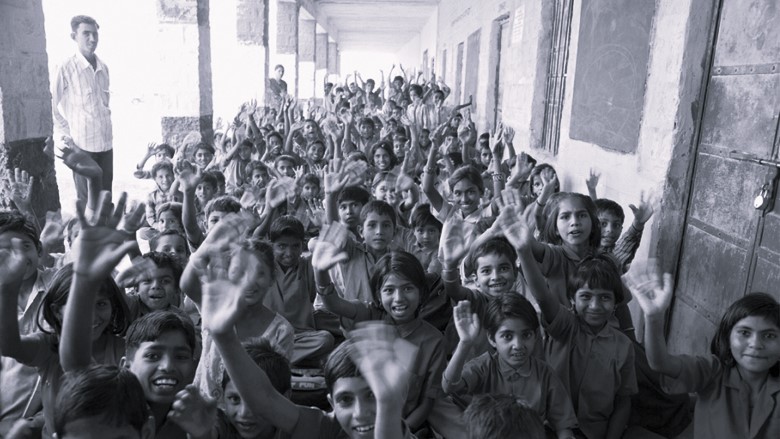
India on track to cut poverty, but 206 mn children still lack essential services: UNICEF
India is making significant strides toward halving multidimensional poverty ahead of the 2030 Sustainable Development Goal (SDG) deadline, but millions of children continue to face critical gaps in access to education, health, nutrition, and other basic services, according to a report released by UNICEF on Thursday.
Titled The State of the World’s Children 2025: Ending Child Poverty – Our Shared Imperative, the report highlights that around 206 million children in India nearly half the country’s child population lack access to at least one of six essential services: education, health, housing, nutrition, clean water, and sanitation. Among these, 62 million children are deprived of two or more services and require urgent interventions to escape multiple deprivations.
While more than half of India’s 460 million children now enjoy access to basic services, progress is uneven. Vulnerable groups such as children with disabilities, younger children, and those living in crisis-hit regions remain disproportionately affected. UNICEF warns that climate shocks, conflict, and national debt pressures threaten to push families further into hardship, potentially reversing the gains made so far.
India’s remarkable reduction in multidimensional poverty over the past decade has been a major factor in improving child wellbeing. Between 2013–14 and 2022–23, 248 million Indians escaped multidimensional poverty, with the national poverty rate falling from 29.2% to 11.3%. A key driver of this change has been the rapid expansion of social protection coverage, which grew from 19% in 2015 to 64.3% in 2025, reaching around 940 million citizens.
Experts highlight that sustained investments in children yield high economic and social returns. UNICEF India Representative Cynthia McCaffrey emphasised that further acceleration of effective programs can help India reach the most vulnerable children and achieve its Vision 2047. She noted that improving child wellbeing “isn’t just about resources, it's about the collective will and leadership to prioritise children in every decision.”
Several government flagship schemes have contributed to these improvements. Programs such as Poshan Abhiyaan, Samagra Shiksha, PM-KISAN, Mid-Day Meal Scheme, Beti Bachao Beti Padhao, Swachh Bharat Mission, and Jal Jeevan Mission have expanded access to nutrition, education, sanitation, income support, and financial inclusion. Policy experts like Dr Pinaki Chakraborty stress the need to safeguard fiscal space for child-focused initiatives, while Dr Nilanjan Ghosh of ORF calls for equity and sustainability to be central to India’s long-term development plans.
UNICEF also points out that globally, one in five children around 400 million in low- and middle-income countries face two or more severe deprivations. Children are twice as likely as adults to live in extreme monetary poverty, underlining the need for urgent action.
To reach the remaining children, the report urges governments to embed child rights into national plans, expand inclusive social protection, ensure equitable access to quality health and education, support decent work for caregivers, and strengthen children’s participation in policymaking.
In summary, while India’s progress in poverty reduction is noteworthy, targeted investments, strong governance, and an unwavering focus on children’s wellbeing are essential to ensure that all children can access the services they need to thrive.