
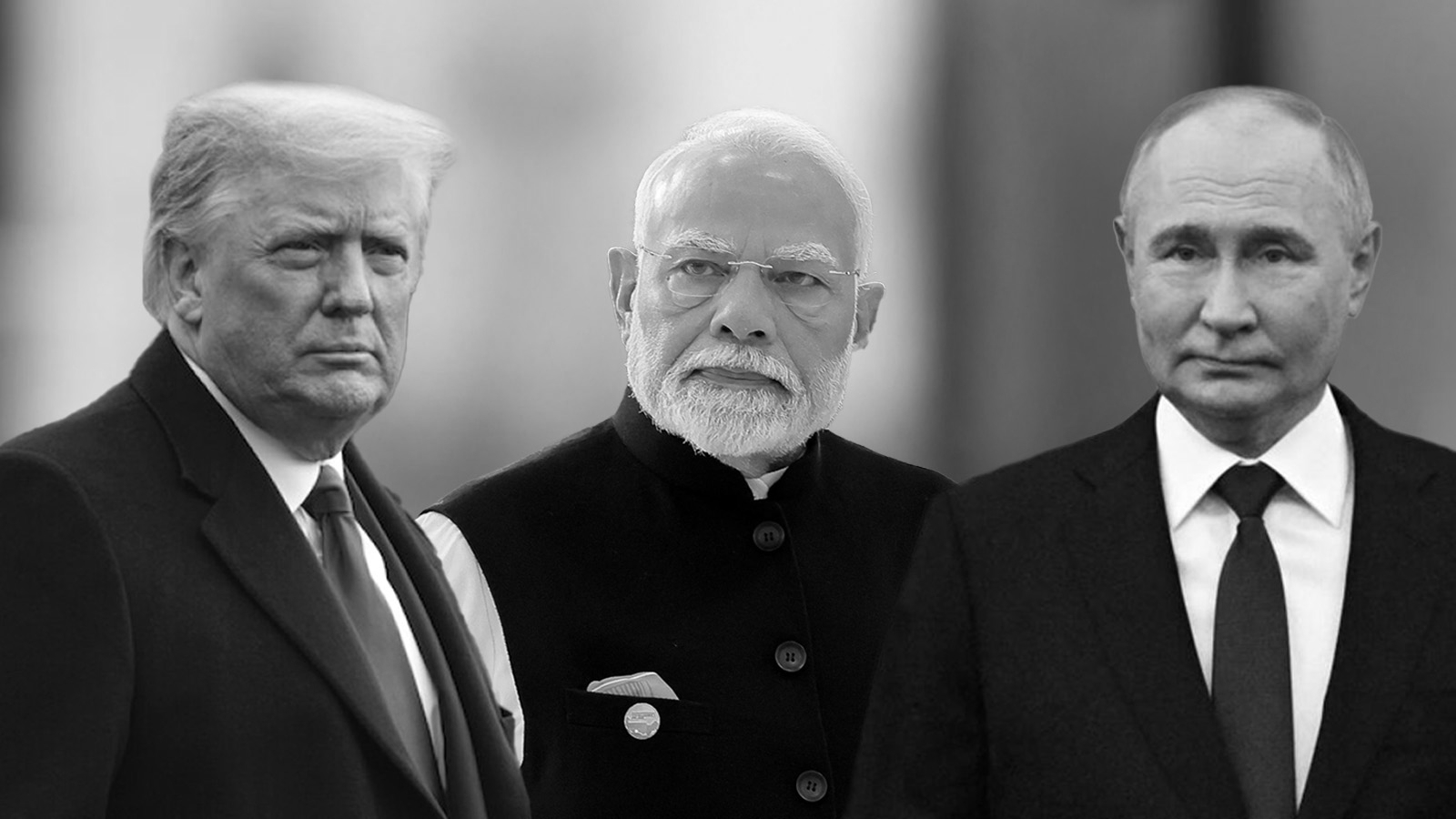
India on a tightrope: Balancing the Russia relationship and a crucial trade push with the US
External Affairs Minister S. Jaishankar on Saturday underscored India’s strategic autonomy, firmly rejecting suggestions that Russian President Vladimir Putin’s recent visit could complicate ongoing trade negotiations with the United States. He emphasized that India will protect its national interests while maintaining strong relations with all major powers.
“I disagree. India has relations with all major countries, and for any country to expect to dictate how we develop those ties is not reasonable,” Jaishankar said. He further reiterated that India is negotiating hard in the India-US Bilateral Trade Agreement (BTA) to safeguard farmers, workers, small businesses, and the middle class. Commerce Secretary Rajesh Agarwal added that despite recent US tariffs, India hopes to sign the first tranche of the BTA within this calendar year.
At the heart of the challenge is energy security. Russia continues to supply discounted crude at a time of global market volatility, providing India a hedge against sudden price shocks. Simultaneously, the US has expressed concern over India’s Russian oil imports. President Donald Trump has publicly demanded that India stop buying Russian crude, describing continued imports as “a problem” and warning of potential trade repercussions. In August, Washington escalated tariffs on Indian goods, raising some to 50 percent, explicitly linking the move to India’s energy ties with Moscow.
India now faces a complex balancing act: protecting long-term energy and defense ties with Russia while advancing a landmark trade agreement with the United States. Domestically, Indian exporters, manufacturers, and farmers are already feeling the impact of US tariffs. Industries such as textiles, footwear, gems and jewellery, and seafood are among the most exposed, with smaller firms particularly vulnerable to steep duties.
To manage this, India is likely to pursue selective concessions and sector-specific deals rather than blanket liberalization. Certain US products may gain market access, while sensitive domestic sectors are insulated. Safeguards, phased tariff reductions, and sunset clauses are expected to minimize economic shocks. At the same time, India will continue energy and defense cooperation with Russia, ensuring strategic partnerships remain intact.
Additional strategies include encouraging exporters to diversify markets, providing targeted incentives or credit lines to cushion the impact of tariffs, and leveraging co-production and investment opportunities in strategic sectors to strengthen India’s negotiating position with the US.
The challenge is clear: India must secure its energy and defense interests with Russia while achieving a trade deal with the US that protects domestic farmers, workers, and small businesses. Success will depend on careful sequencing, tactical diplomacy, and domestic economic management, with both Washington and Moscow closely monitoring New Delhi’s next moves.