
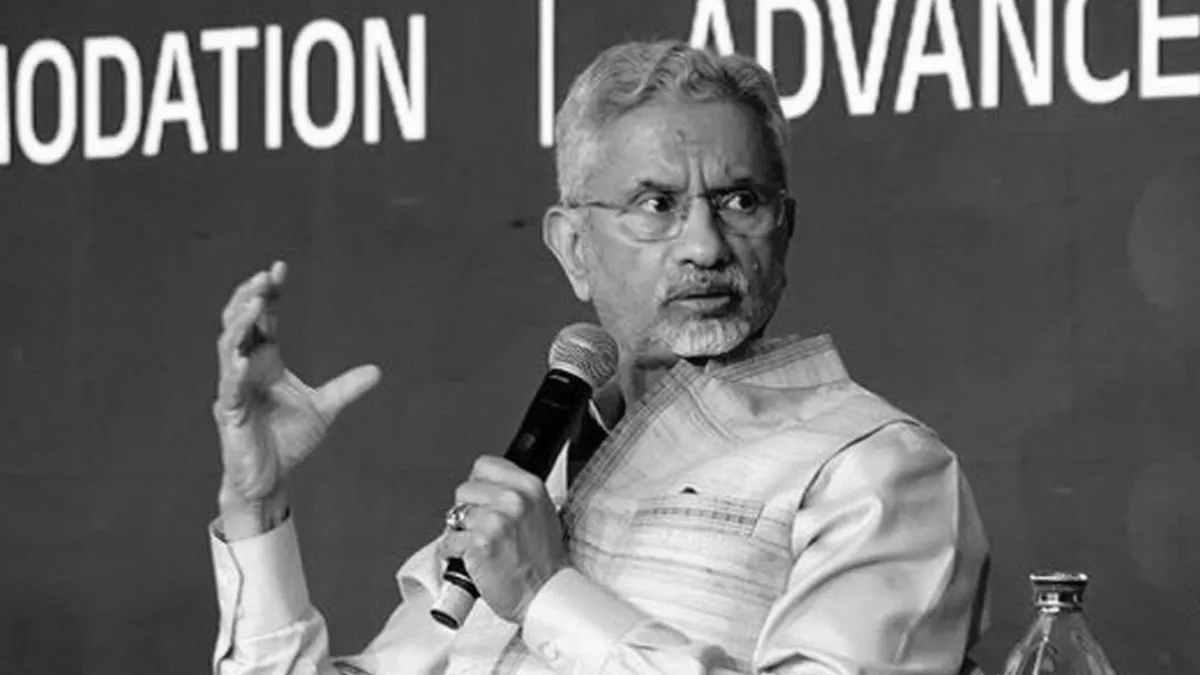
India lets Iranian warships dock in Kochi on humanitarian grounds, says S. Jaishankar
India allowed the Iranian naval vessel IRIS Lavan to dock at Kochi after Tehran sought assistance due to technical difficulties at sea, External Affairs Minister S. Jaishankar confirmed on Saturday while speaking at the Raisina Dialogue.
According to Jaishankar, the Iranian side approached India on February 28 requesting permission for the vessel to enter an Indian port as it was facing operational issues. After reviewing the request, Indian authorities granted clearance on March 1 , and the ship reached Kochi on March 4 . The warship continues to remain at the port, while its 183 crew members have been accommodated at facilities operated by the Indian Navy.
Explaining the decision, Jaishankar said India’s response was guided by humanitarian considerations. He noted that when a vessel approaches with difficulties, offering assistance is the responsible and humane course of action.
During the interaction, the minister also referred to another Iranian naval vessel, IRIS Dena , which sank off the coast of Sri Lanka on March 4 , leading to the deaths of at least 87 Iranian sailors . The warship had earlier participated in the MILAN Naval Exercise before beginning its return journey.
Iranian officials have since expressed appreciation for India’s assistance, describing the decision to allow IRIS Lavan to dock as a gesture reflecting the longstanding ties and cooperation between the two countries.
The incident has also highlighted the strategic role of Cochin Shipyard Limited and Kochi’s maritime infrastructure. The shipyard is one of India’s largest facilities for ship construction and repair, frequently supporting both commercial and naval vessels and strengthening India’s capacity to respond to maritime emergencies in the Indian Ocean region .
At the forum, Jaishankar reiterated India’s role as a “net security provider” in the region and emphasised the need to follow international maritime rules, particularly the United Nations Convention on the Law of the Sea (UNCLOS).
Foreign ministers from Sri Lanka, Mauritius and Seychelles also took part in the discussion, stressing the importance of international law and humanitarian cooperation in addressing maritime incidents.