
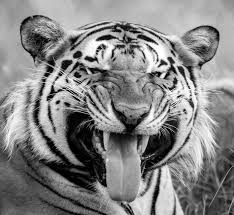
India Leads Global Push to Protect World’s Big Cats
India is set to take centre stage in global wildlife diplomacy as it prepares to host the first-ever International Big Cat Alliance (IBCA) Summit 2026 in the national capital on June 1 and 2, bringing together world leaders, conservation experts, scientists, and policymakers to discuss the future of big cat conservation.
The landmark summit, organised under the aegis of the Ministry of Environment, Forest and Climate Change and the International Big Cat Alliance, will focus on the protection of seven iconic big cat species tiger, lion, leopard, snow leopard, cheetah, jaguar, and puma along with the preservation of their ecosystems.
The high-level inaugural session will be held at Bharat Mandapam on June 1 and is expected to be presided over by Prime Minister Narendra Modi. Technical discussions and related sessions will continue at Taj Palace over the two-day event.
According to officials, representatives from nearly 95 range countries across Asia, Africa, and the Americas are expected to participate. Countries likely to be represented include tiger-range nations such as India, Nepal, Bhutan, Bangladesh, Indonesia, Malaysia, and Russia; African lion and cheetah range countries including Kenya, South Africa, Namibia, Tanzania, and Botswana; snow leopard habitat nations such as Mongolia and Kazakhstan; and countries from the Americas including Brazil, Mexico, and Argentina, which are home to jaguars and pumas.
The summit will bring together Heads of State, ministers, diplomats, wildlife biologists, climate experts, forest officials, and international conservation organisations to deliberate on biodiversity protection, climate resilience, habitat restoration, and transnational cooperation in wildlife conservation.
A key outcome of the summit is expected to be the adoption of the first-ever “Delhi Declaration on Big Cat Conservation,” which aims to establish a common global framework for conservation cooperation, anti-poaching initiatives, ecological management, and sustainable development.
India is positioning the summit as a major step in strengthening global conservation diplomacy. The International Big Cat Alliance, launched by Prime Minister Narendra Modi in 2023, was envisioned as a platform for collaborative efforts among countries that are home to big cat species.
The event will also place special emphasis on lion conservation. Officials highlighted that global lion populations have declined sharply due to habitat loss, climate pressures, and human-wildlife conflict. India, however, has witnessed steady growth in its Asiatic lion population, with the Greater Gir Landscape in Gujarat now estimated to host around 891 lions.