
India Holds 200 Million Tonnes of Coal, Enough for 90 Days: Union Minister Kishan Reddy
India has entered a significantly stronger phase of energy preparedness, with coal reserves now capable of meeting nearly three months of national demand. Union Minister for Coal and Mines G. Kishan Reddy announced that the country currently holds around 200 million tonnes of coal , enough to sustain 90 days of consumption , a sharp turnaround from earlier years when reserves often dipped to critical levels.
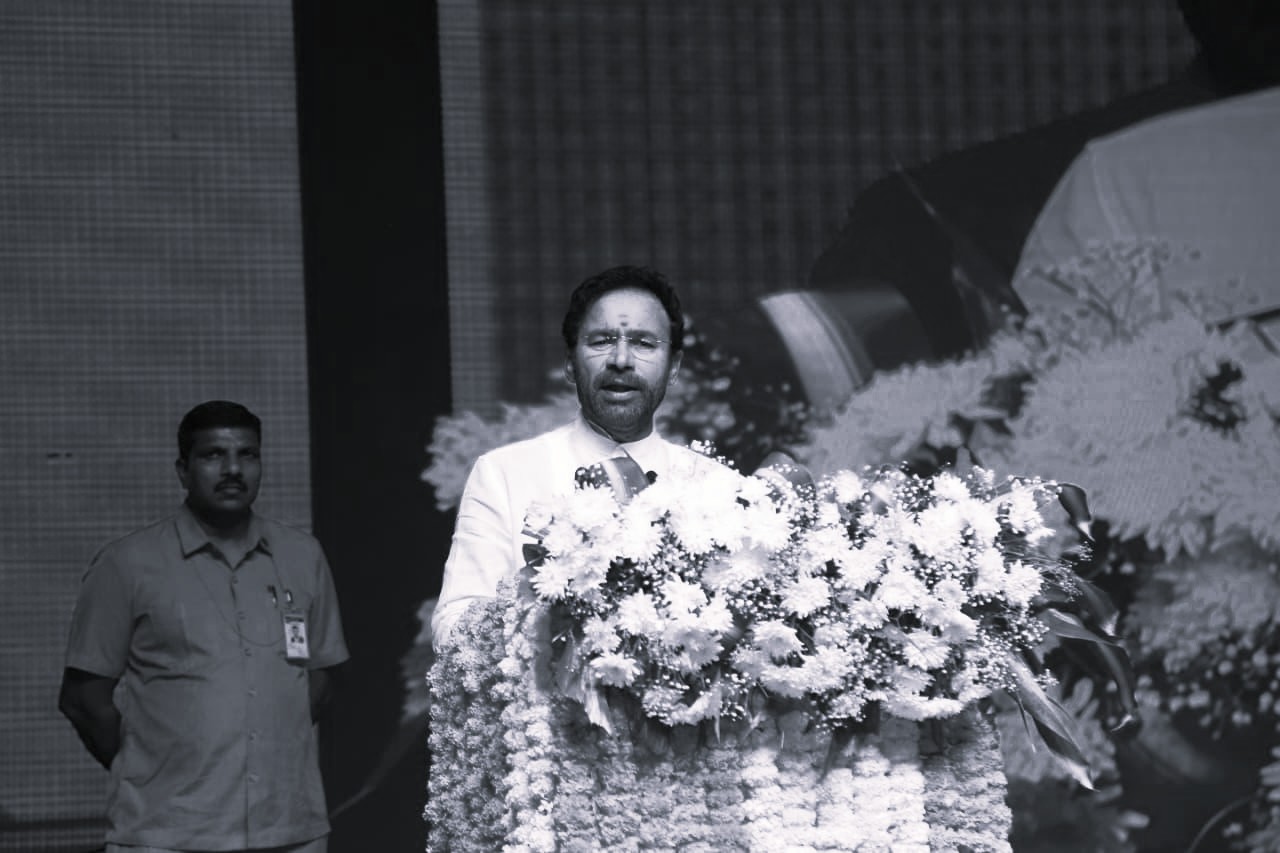
Addressing a high-level roadshow in Hyderabad on the 7th tranche of critical mineral block auctions and Exploration License (Tranche 2) , the minister highlighted how India has moved beyond the days of energy vulnerability. Previously, thermal power plants and coal pitheads operated with stocks lasting barely three to four weeks , raising frequent concerns over supply disruptions. Today, improved coordination between mining operations and power generation units has created a far more stable supply chain.
India’s coal production has also reached a new high, crossing the one billion tonne mark for the second consecutive year . This milestone reflects the combined impact of policy reforms, expanded mining capacity, and faster clearances. With coal continuing to generate nearly three-fourths of the country’s electricity , ensuring consistent supply remains critical for both economic growth and industrial stability.
The government’s broader strategy goes beyond short-term supply management. It is actively working to reduce dependence on imports and build a self-reliant mining ecosystem . Despite being one of the world’s largest coal producers, India still imports a portion of its requirements, particularly specialized grades. Increasing domestic output and unlocking new mineral resources are therefore central to long-term planning.
A key pillar of this future strategy is urban mining , an emerging approach that focuses on extracting valuable minerals from discarded consumer goods such as old air conditioners, refrigerators, and electronic waste. Officials estimate that such efforts could potentially meet 30 to 40 percent of the country’s critical mineral demand . The government is preparing structured mechanisms to collect and process urban scrap across cities, turning waste into a strategic resource.
Simultaneously, coal gasification is being promoted as a transformative technology that can convert coal into cleaner fuels, chemicals, and even hydrogen. This aligns with India’s attempt to balance its heavy reliance on coal with a gradual transition toward cleaner and more efficient energy solutions.
Parallel to these developments, the mining sector is witnessing unprecedented momentum in reforms. The government has accelerated the auction of mineral blocks, setting new benchmarks in transparency and scale. In the current financial year alone, a record number of blocks have been auctioned, far exceeding the pace seen over the past several years combined.
Since the introduction of the auction regime in 2015, hundreds of mineral blocks have been allocated, including a growing number of critical mineral assets essential for emerging sectors like electric vehicles, renewable energy, and advanced electronics. The ongoing auction tranche includes a mix of composite licenses and mining leases, reflecting efforts to streamline both exploration and extraction.
Officials have described the critical minerals segment as a “sunrise sector,” expected to play a defining role in India’s industrial and technological future. With continuous policy refinements aimed at improving efficiency and investor confidence, the sector is poised for sustained expansion.
Overall, India’s approach reflects a dual-track strategy strengthening immediate energy security through higher coal availability while simultaneously investing in future-ready technologies and resource recovery systems . With rising demand driven by economic growth and climate pressures, these measures are expected to provide both stability and long-term resilience to the country’s energy and mining landscape.