
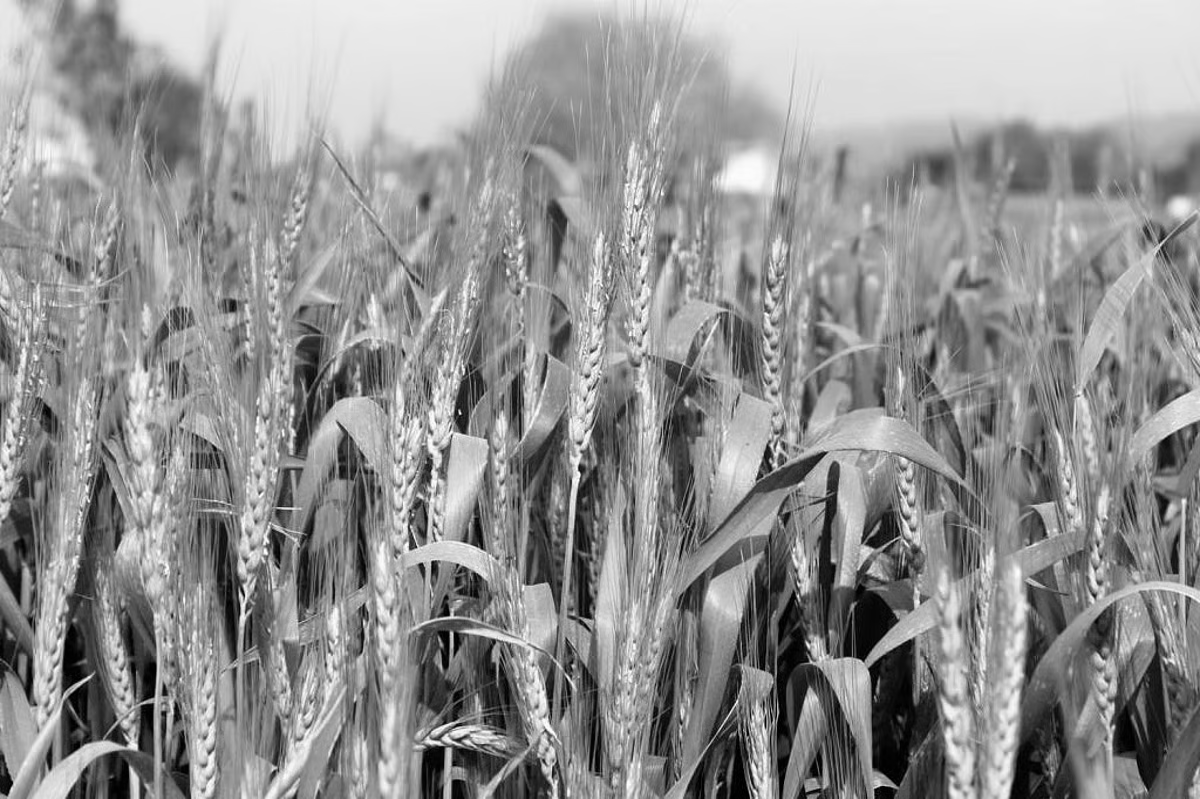
India faces price spike, China halts fertiliser exports
India is preparing for higher fertiliser prices ahead of the crucial rabi (winter) cropping season after China abruptly suspended exports of urea and specialty fertilisers from October 15, a move expected to ripple across global markets.
According to industry officials, the suspension covers both specialty and conventional fertilisers such as urea, DAP (Diammonium Phosphate), and MOP (Muriate of Potash), which are widely used for staple crops like wheat, rice, and maize, as well as specialty fertilisers including TMAP (Technical Monoammonium Phosphate), AdBlue (urea-solution products), and water-soluble NPK blends, which are high-value, crop-specific fertilisers used in horticulture, vegetables, and precise nutrient management.
“China has closed the export window from October 15 not only for India but for the entire world market,” said Rajib Chakraborty, President of the Soluble Fertilizer Industry Association (SFIA), in a statement to PTI. “I believe the export suspension will continue for the next five to six months,” he added.
China’s decision to suspend fertiliser exports again from October 15, after briefly resuming them in May 2025, stems mainly from concerns over domestic supply, price stability, and food security. The Chinese government aims to ensure adequate fertiliser availability for its own winter cropping season, as demand typically peaks between October and March. Rising production costs, energy constraints, and higher raw material prices have put pressure on the domestic market, prompting authorities to restrict exports to prevent local shortages and control inflation. Additionally, fertilizer manufacturing in China is highly energy-intensive, relying on coal and natural gas resources that the government is prioritising for internal use amid its energy security and emission control targets. By curbing exports, China also seeks to stabilise its domestic market and safeguard farmers from rising input costs, even though the move has triggered global supply disruptions and price volatility.
India, the world’s second-largest consumer of fertilisers, is heavily dependent on China for high-value specialty fertilisers. Nearly 95 per cent of India’s imports of products like TMAP and emission-control fluids such as AdBlue come from Chinese suppliers.
Chakraborty cautioned that prices of these specialty fertilisers already at “abnormally high” levels could climb 10–15 per cent in the coming months as a result of the curbs.
India consumes around 250,000 tonnes of specialty fertilisers each year, with nearly 60–65 per cent used during the rabi season (October–March). So farmers and buyers could expect an increase of approximately ₹ 5,400 to ₹ 8,100 per tonne for those specialty fertilisers, if the full 10-15% rise materialises.
Despite the export freeze, industry representatives said India’s immediate supply for the ongoing rabi season is secure, as traders have pre-booked consignments through global trading agencies. “Meeting demand this season won’t be a problem, though prices will definitely be impacted,” Chakraborty noted.
It has been reported that alternative fertiliser sources are being explored to reduce India’s dependence on China. Phosphatic fertilisers such as DAP and MAP are being imported from Saudi Arabia, Morocco, Jordan, Russia, and Egypt, while potassic fertilisers (MOP) are being sourced from Canada, Israel, Belarus, Russia, and Jordan. Nitrogenous fertilisers such as urea, ammonia, and ammonium nitrate are being imported from Oman, Qatar, Saudi Arabia, UAE, and Russia, with part of the demand being met through domestic production. Although short-term supplies for the rabi season have been secured, a price increase of 10–15% for specialty fertilisers is expected. Measures are being taken to expand domestic production, form joint ventures abroad, diversify alternative suppliers, and increase domestic blending capacity. Prolonged export restrictions beyond March 2026 could create significant supply challenges.
Indian farmers are likely to face significant challenges due to China’s suspension of fertiliser exports. The prices of specialty fertilisers such as TMAP, AdBlue, and water-soluble NPK blends are expected to rise by 10–15%, increasing input costs and reducing profit margins for crops like wheat, pulses, vegetables, and oilseeds. Some farmers may be forced to reduce fertilizer application, which could affect soil nutrient levels and result in lower yields, particularly for high-value or export-oriented crops. Regions such as Punjab, Haryana, Uttar Pradesh, Madhya Pradesh, and Maharashtra, which rely heavily on rabi crops and specialty fertilisers, are likely to feel the impact most acutely. Many farmers may turn to domestic or conventional fertilisers, which may not fully meet crop-specific nutrient needs, potentially affecting crop quality and market prices. In some cases, small and marginal farmers may delay sowing or reduce the area under cultivation. If the situation persists, rising input costs could increase food production expenses and put additional financial stress on farmers.
Concerns remain that an extended suspension beyond March 2026 could pose serious supply challenges. Alternative sources such as South Africa, Chile, and Croatia are available but cannot replace China’s production scale.