
India Eyes USD 15 Trillion More Through New FTAs: Piyush Goyal
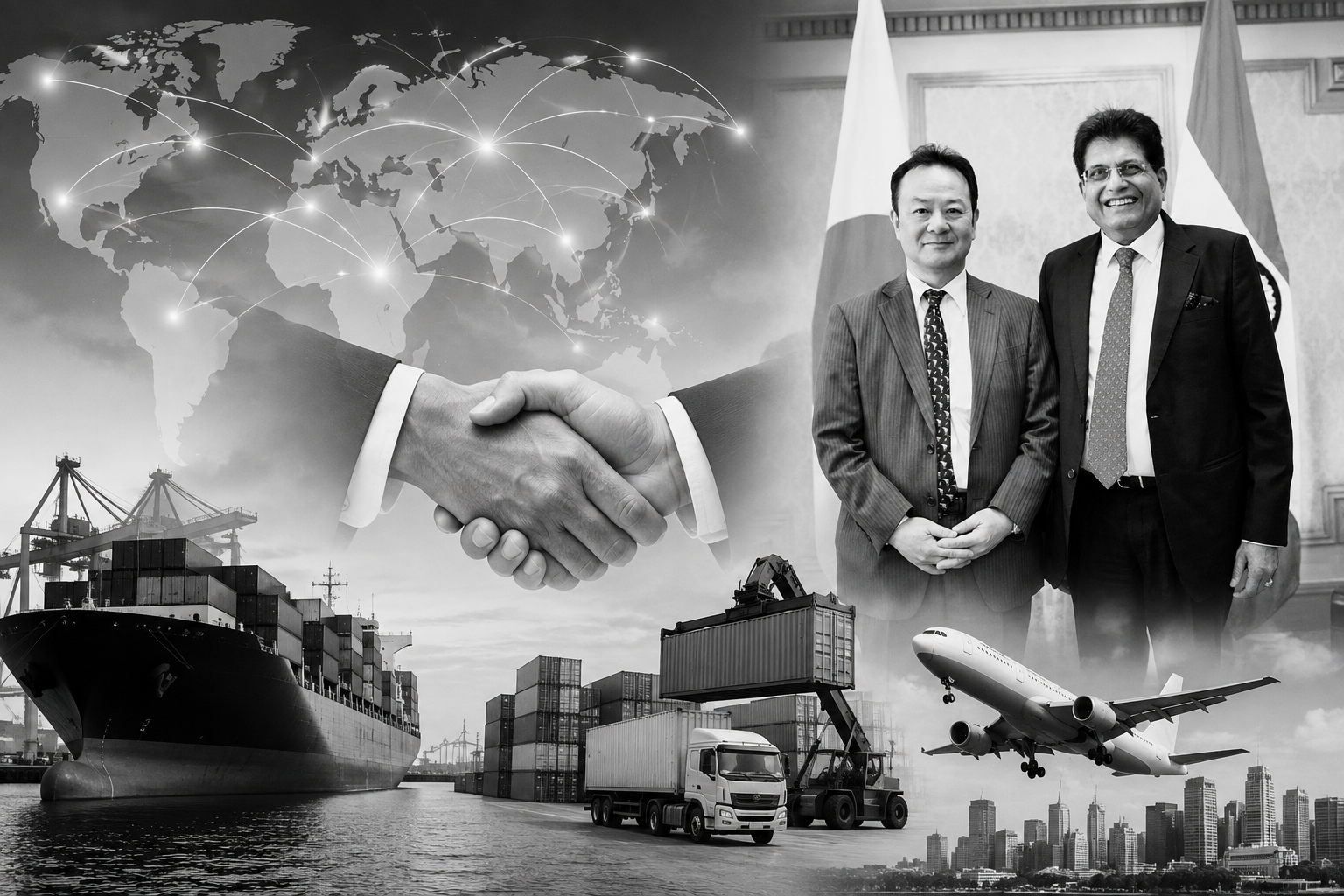
India’s push to expand its network of free trade agreements is entering a new phase, with Commerce and Industry Minister Piyush Goyal saying the country is negotiating with at least eight to nine more groups of countries and individual nations that together represent another USD 15 trillion in GDP.
Goyal, speaking to Indian and Japanese business representatives in Tokyo, said India’s nine FTAs signed over the last four years cover economies with a combined GDP of about USD 60 trillion and 38 developed countries. Earlier agreements with Japan, South Korea and ASEAN add another USD 10 trillion, taking India’s preferential market access to around USD 70 trillion. The additional negotiations, he said, could eventually help FTAs cover about 75% of global trade, strengthening India’s role as a trusted partner in global value chains.
The latest push comes as India advances trade negotiations across several fronts. Talks with the European Union, Canada, Chile, Israel and the Gulf Cooperation Council remain important components of the pipeline, while India is also pursuing wider market-access arrangements with other partners. The strategy increasingly combines tariff concessions with services, investment, technology, supply-chain integration and critical minerals.
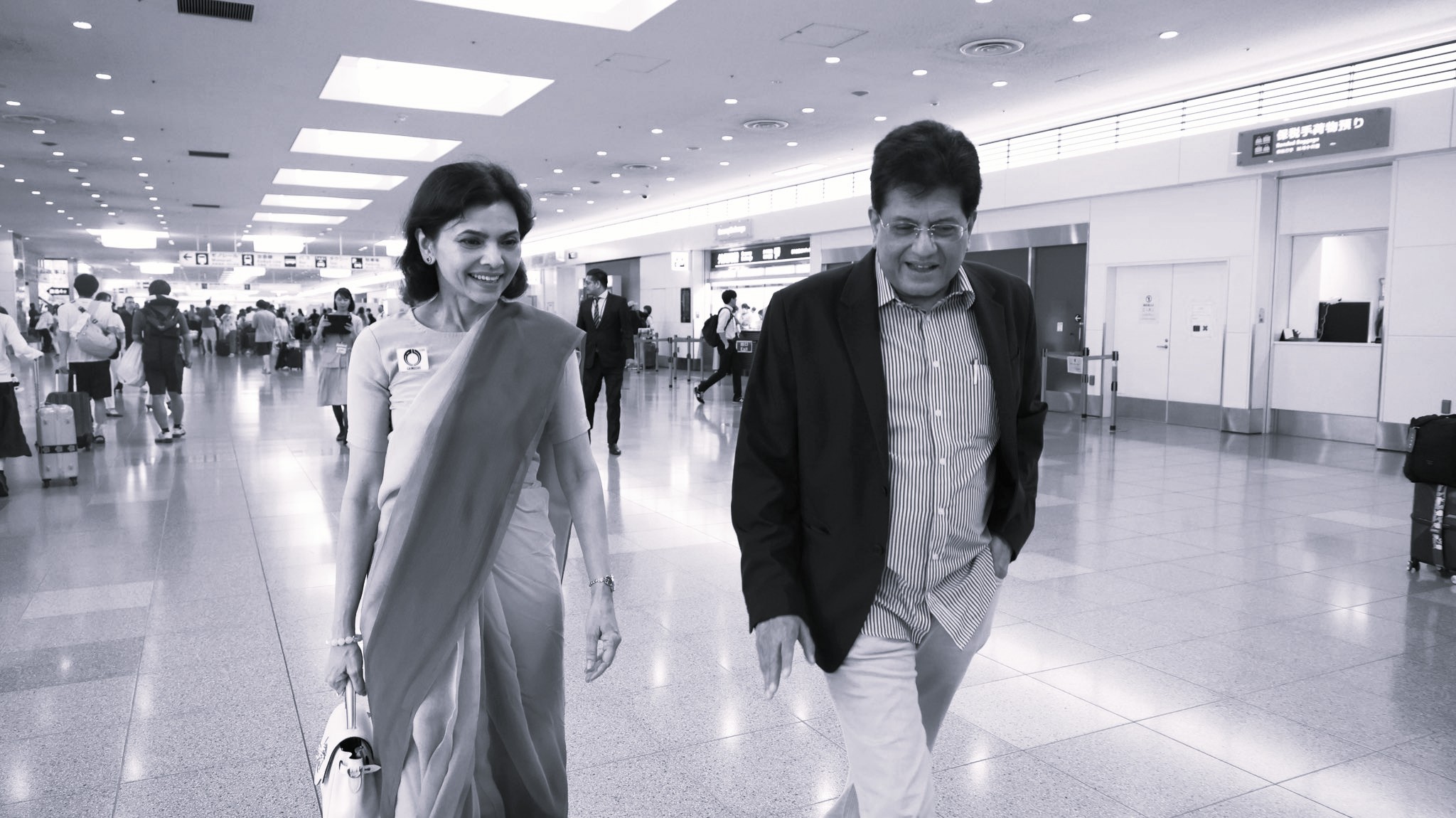
Goyal’s international outreach has become an important part of that strategy. His current August 24–27 Japan visit includes Tokyo, Nagoya and Osaka and involves India’s largest-ever business delegation to Japan, with more than 200 representatives from manufacturing, semiconductors, clean energy, steel, automobiles, financial services, healthcare and start-ups. Discussions are expected to focus on investment and cooperation in high-technology manufacturing, artificial intelligence and next-generation industries.
The Japan visit follows Goyal’s recent engagement in Singapore, where he led a 70-member business delegation for discussions on investment, market access, technology collaboration and talent development. India has also intensified its outreach to South America, with Commerce Secretary Rajesh Agrawal travelling to Argentina and Brazil to advance trade discussions and review the proposed comprehensive agreement with Chile.
For India, the objective extends beyond reducing tariffs. New Delhi wants greater access for Indian goods and services, more foreign investment and stronger integration of domestic manufacturers into global supply chains. Partner economies, meanwhile, are seeking access to India’s large consumer market and opportunities in manufacturing, infrastructure, technology and emerging industries.
Goyal’s comments therefore underline a broader shift in India’s trade policy: FTAs are increasingly being used as instruments for investment, supply-chain diversification and global economic integration. The 75% global-trade coverage is an eventual target rather than current coverage, but the expanding negotiation pipeline signals India’s ambition to become a more deeply connected and trusted player in global commerce.