
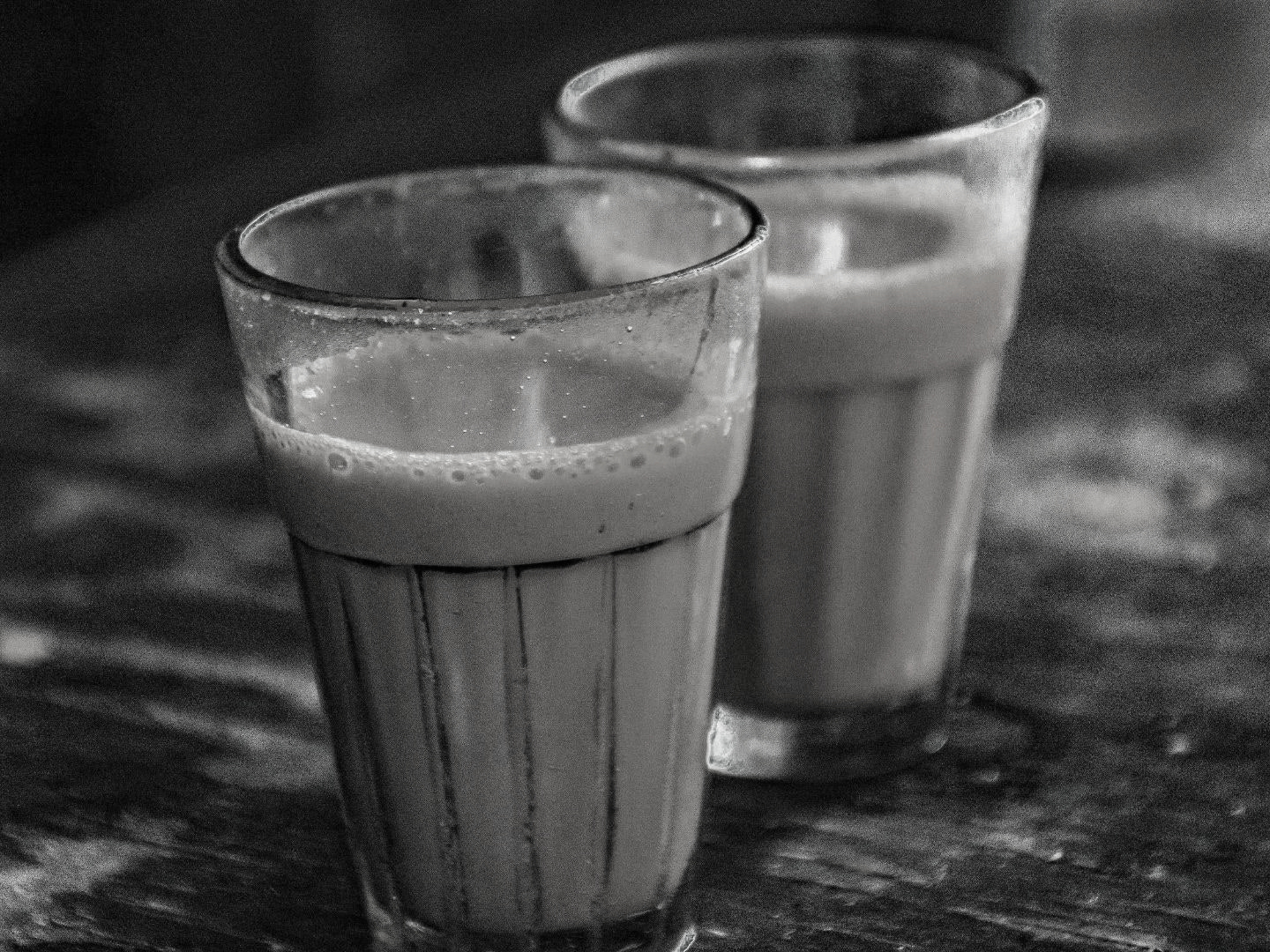
India Eyes Larger Share of China’s Growing Tea Market
India is making a renewed push to expand its tea exports to China, tapping into the country’s rapidly growing demand for flavour-rich black and specialty teas. At an Indian Tea Buyer–Seller Meet organised by the Indian Embassy in Beijing, leading Chinese tea houses interacted with Tea Board of India officials as New Delhi attempted to position its premium offerings such as Darjeeling, Assam, Nilgiri and Masala tea in a market long dominated by lighter green teas.
Although China is the world’s largest tea producer, it has in recent years seen a sharp rise in imports, especially of black and fermented teas. Changing consumer tastes, particularly among younger tea drinkers, have driven the shift. China now imports teas mainly from Sri Lanka, Vietnam, Kenya, and other African suppliers. Sri Lanka remains the biggest exporter by value, while Vietnam has become a major supplier by volume. India, though historically a smaller contributor to China’s import basket, has been gaining traction as Chinese consumers increasingly experiment with stronger and aromatic teas.
According to trade data, India exported around USD 15–20 million worth of tea to China in 2023. This year, from January to October alone, exports touched USD 37 million, reflecting a surge in interest for Darjeeling, Assam and Masala teas. Diplomats at the meet noted that India’s diversity of flavours, coupled with a cultural legacy around tea, gives it a natural advantage as China’s market opens up to new varieties. India’s Deputy Ambassador Abhishek Shukla said that tea serves as a bridge between the two ancient cultures, adding that every cup from India carries the essence of its geography, climate and people.
A deeper entry into China’s tea market could significantly benefit Indian revenues. If Indian exporters succeed in raising their share of China’s import market currently dominated by Sri Lanka and Vietnam India could secure higher foreign-exchange earnings, better prices for premium teas, and expanded market stability for growers back home. With the taste profile of young Chinese consumers shifting towards bolder and modern blends, Indian officials believe this may be the most promising window yet to strengthen India’s position in one of the world’s most valuable beverage markets.
Competition, however, remains strong, and India will need to ensure consistent supply, reliable quality and blends tailored to Chinese preferences. But with rising demand and increasing curiosity for Indian flavours, the latest buyer–seller engagement in Beijing is being viewed as a stepping stone toward a more substantial economic and cultural exchange between the two major tea-producing nations.