
India eyes advanced docking capability with SPADEX missions to boost human spaceflight plans
India is stepping up efforts to develop critical space docking technology as part of its long-term strategy to enable human spaceflight and establish an indigenous space station, Union Minister Jitendra Singh informed the Rajya Sabha.
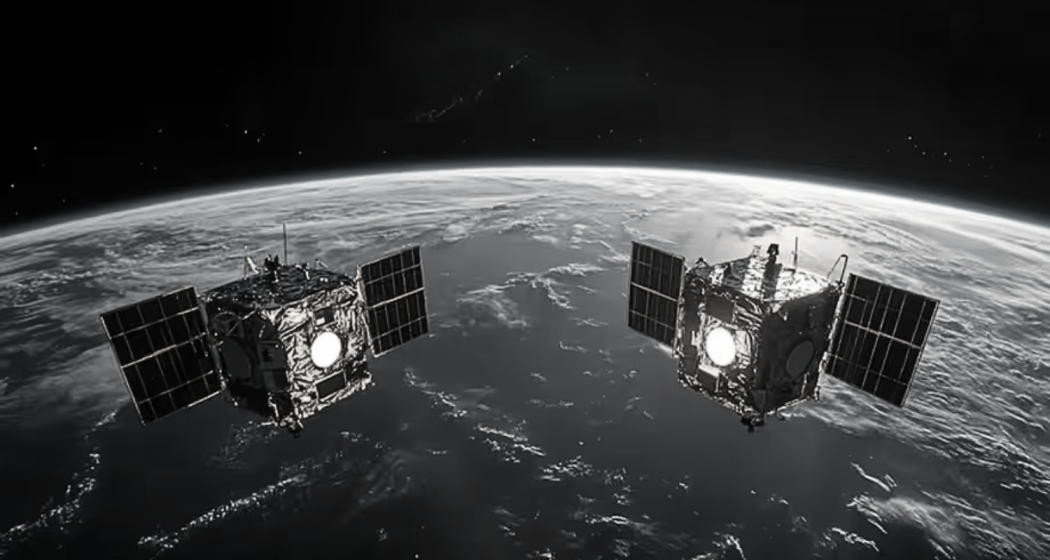
The Indian Space Research Organisation (ISRO) is currently studying two key missions under the Space Docking Experiment (SPADEX) programme SPADEX-2 and SPADEX-3 aimed at validating complex in-orbit operations essential for future space missions.
SPADEX-2 will simulate docking in a highly elliptical orbit, replicating conditions required for advanced missions such as Chandrayaan-4. Meanwhile, SPADEX-3 will focus on docking in a circular orbit, serving as a precursor for operations related to India’s planned space station, the Bharatiya Antariksh Station.
The proposed missions will demonstrate docking and undocking between spacecraft, including the transfer of materials such as scientific samples. They will also test docking between pressurised modules using the indigenous Bharatiya Docking System (BDS), a key technology for future crewed missions.
Officials emphasised that mastering docking technology is a crucial milestone for enabling crew transfer, in-orbit refuelling, and other complex operations such as power and payload exchange. These capabilities are fundamental for sustained human presence in space and multi-module mission architectures.
The experiments are expected to directly support India’s human spaceflight programme, Gaganyaan, and future plans involving long-duration missions and orbital infrastructure.
The government also highlighted the expanding role of academic institutions and national laboratories in advancing space technologies. Opportunities exist in areas such as payload development, control algorithms, and experimental systems. Indian institutions have previously contributed to missions like Aditya-L1, and their participation is expected to grow as missions become more technologically intensive.
The initiative reflects India’s broader ambition to transition from standalone missions to integrated space operations, including establishing its own space station and undertaking complex lunar exploration programmes.