
India expands Space infrastructure as ISRO plans Third launch pad
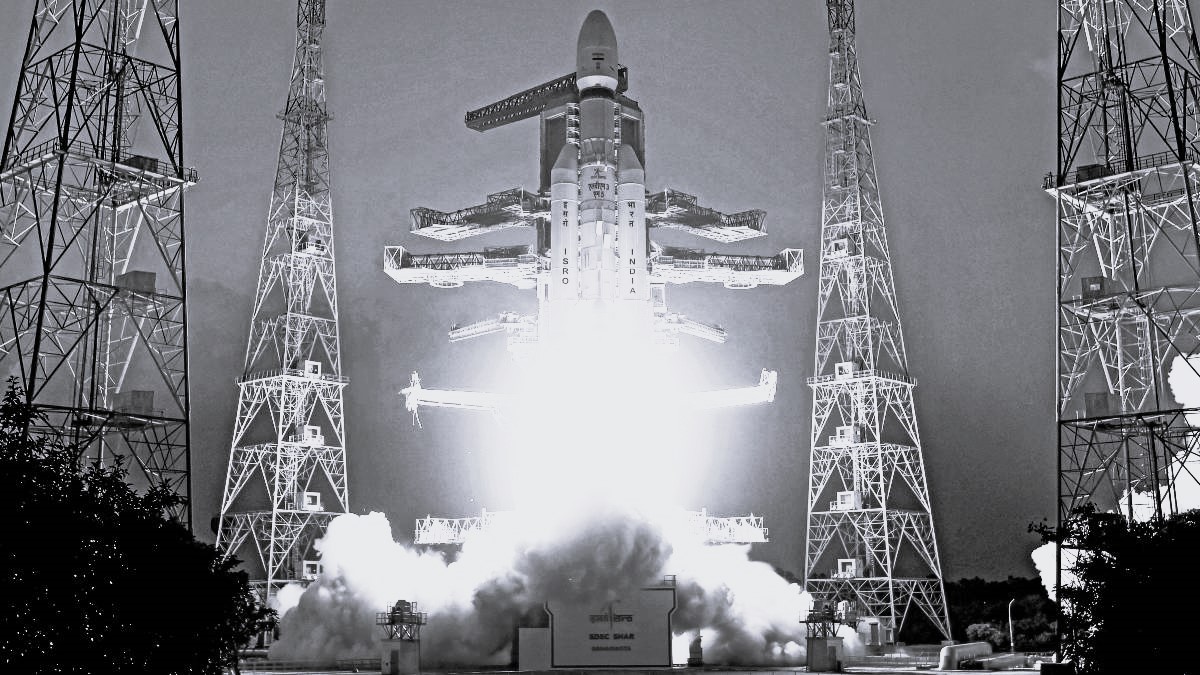
The Indian Space Research Organisation (ISRO) has begun groundwork for setting up a third launch pad at its Satish Dhawan Space Centre (SDSC) in Sriharikota, marking a significant expansion of India’s space launch infrastructure to support heavier rockets and future human spaceflight missions.
The proposed launch pad, cleared by the Union Cabinet earlier this year, is expected to be developed at an estimated cost of around ₹3,985 crore and commissioned within four years . According to senior ISRO officials, the project has entered the procurement and vendor-identification stage, with tenders expected to be floated in phases for civil works, propellant systems, and launch support infrastructure.
ISRO’s current facilities at Sriharikota include two operational launch pads , which have supported missions ranging from the Polar Satellite Launch Vehicle (PSLV) to the Geosynchronous Satellite Launch Vehicle (GSLV) and the LVM3 rocket used for the Gaganyaan programme. However, with India planning next-generation launch vehicles capable of placing satellites weighing 12,000-14,000 kg and more into orbit, existing infrastructure is nearing its operational limits.
The third launch pad is designed as a universal facility, capable of handling multiple rocket configurations, including future heavy-lift and semi-cryogenic launch vehicles. It will also act as a critical backup, improving launch frequency and mission reliability.
Sriharikota’s First Launch Pad, operational since 1993, primarily supports PSLV missions and lighter launch vehicles. The Second Launch Pad, commissioned in the early 2000s, was built to accommodate heavier rockets such as GSLV and LVM3 and has since become central to India’s major space missions.
Both pads were developed largely through public sector undertakings and specialised engineering firms , with government-owned entities playing a leading role in design, construction and systems integration.
While ISRO has indicated that Indian industry will play a significant role in executing the third launch pad project, specific vendors have not yet been finalised . Officials have stressed that the work will be divided into multiple packages to allow participation by experienced infrastructure, aerospace and systems engineering companies, along with MSMEs.
Spread over 175 sq km , the Sriharikota spaceport located about 135 km east of Chennai Has been the backbone of India’s space programme since the launch of the Rohini-125 sounding rocket in 1971. Renamed the Satish Dhawan Space Centre in 2002, it continues to support national and international satellite missions across communication, navigation, earth observation and scientific research.
The addition of a third launch pad is expected to strengthen India’s position as a reliable global launch service provider , while also enabling ambitious long-term goals such as sustained human spaceflight and deep-space exploration.
As ISRO moves forward with tenders and technical evaluations, the project is being closely watched as a litmus test for how India balances public-sector expertise with growing private-sector participation in its rapidly expanding space economy.