
India expands maritime footprint amid China’s growing influence
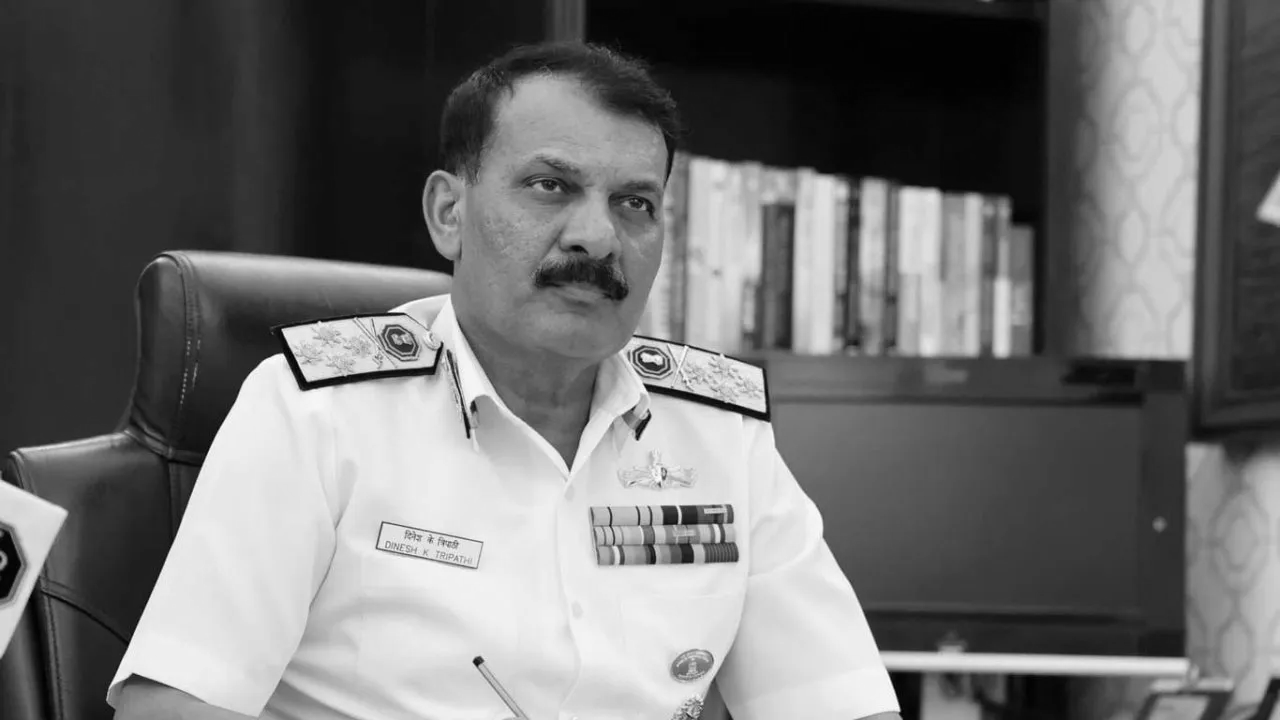
Admiral Dinesh K Tripathi, Chief of Naval Staff of India, began a four-day visit to Sri Lanka on Monday to deepen defence cooperation and expand India’s strategic presence in the Indian Ocean amid concerns over China’s growing influence in the region.
During his visit, Admiral Tripathi is scheduled to meet Sri Lanka’s Prime Minister Harini Amarasuriya, hold discussions with the three service chiefs (heads of the Army, Navy, and Air Force), and participate in the 12th Galle Dialogue, a major regional maritime security conference. The discussions will focus on maritime security, capability enhancement, training, and other areas to strengthen cooperation between the two navies.
The visit is part of India’s MAHASAGAR initiative, Mutual and Holistic Advancement for Security and Growth Across Regions, launched by Prime Minister Narendra Modi to promote strategic and developmental cooperation with countries of the Global South, especially in the Indian Ocean region.
A key aspect of India’s strategy is its acquisition of a controlling stake in Colombo Dockyard PLC through Mazagon Dock Shipbuilders Limited (MDL) for USD 52.96 million. Colombo Dockyard is a major shipbuilding and repair facility in Sri Lanka, capable of servicing naval and commercial vessels. This gives India a direct presence in Sri Lanka’s maritime infrastructure and strengthens its ability to maintain secure sea lanes while providing an alternative to China’s large investments in ports like Hambantota and Colombo Port City.
Joint exercises such as SLINEX (Sri Lanka-India Naval Exercise), hydrography exchanges (mapping and surveying of ocean areas), and other training programs improve coordination between the two navies. They enhance readiness for tasks such as anti-piracy operations, maritime surveillance, and emergency response, making regional security more robust.
China’s perspective can be seen as India’s increasing maritime presence and strategic investments in Sri Lanka are closely watched by Beijing. China has significant economic and port investments in Sri Lanka, including Hambantota Port and Colombo Port City, and may view India’s steps as a counterbalance to its influence. While India frames its engagement as cooperative and defensive, China is likely to monitor developments carefully, potentially adjusting its own regional strategy or diplomatic efforts to maintain influence.
India’s expanding presence in Sri Lanka is strategic but sensitive. Transparent operations, multilateral cooperation, and steady diplomacy are key to ensuring that India’s engagement boosts stability without creating tensions.
Admiral Tripathi’s visit thus reflects a multi-dimensional approach: building defence partnerships, enhancing maritime capabilities, and positioning India as a trusted security partner in the Indian Ocean.