
India Expands Heritage Conservation with Digital Tools and Policy Reforms
India’s approach to cultural heritage preservation is undergoing a significant transformation, combining scientific conservation , digital innovation , and policy-driven governance to safeguard its vast civilisational legacy. With 3,686 centrally protected monuments under the care of the Archaeological Survey of India (ASI), the country is steadily expanding both the scale and sophistication of its conservation efforts.
At the heart of this approach lies a broader vision one that sees heritage not merely as remnants of the past, but as a living cultural and economic asset . Over the past decade, conservation has increasingly been linked with tourism development , local livelihoods , and cultural diplomacy , reflecting a shift toward integrating preservation with national development goals.
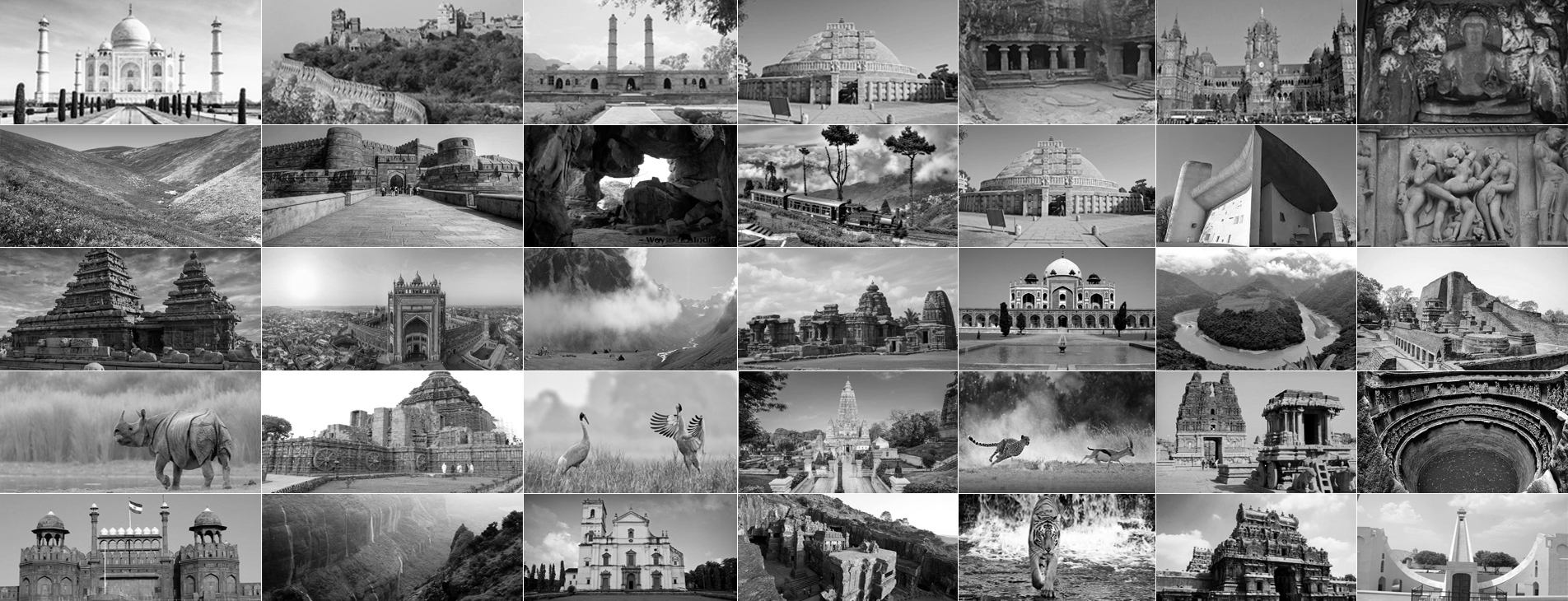
India’s cultural wealth spans both tangible and intangible heritage . Iconic monuments such as the Taj Mahal and Sanchi Stupa stand alongside living traditions like Yoga and Vedic chanting. These are protected through a robust legal framework, including the Ancient Monuments and Archaeological Sites and Remains Act, 1958 , supported by constitutional provisions such as Article 49 and the fundamental duty under Article 51A(f) , which calls upon citizens to preserve the nation’s heritage.
Institutionally, the ASI operates through a decentralised network of regional circles, carrying out structural repairs, chemical conservation, excavation, and site management . Complementing this is the National Mission on Monuments and Antiquities (NMMA), which has documented over 11,000 heritage sites and 12.48 lakh antiquities , enabling data-driven conservation planning.
A defining feature of India’s evolving strategy is the growing use of technology in conservation . Tools such as 3D laser scanning, photogrammetry, drone-based surveys, and GIS mapping are now widely deployed to document and monitor heritage structures. The integration of Artificial Intelligence is further enhancing digitisation, accessibility, and archival management, marking a transition toward knowledge-led preservation systems .
This scientific approach was notably demonstrated in the restoration of the Kedarnath Temple, where collaboration between ASI and engineering experts ensured non-invasive structural stabilisation using advanced geophysical techniques. The project underscored how modern science and traditional craftsmanship can work in tandem to protect heritage assets.
At the same time, the government is actively linking conservation with economic opportunity . Initiatives such as Adopt a Heritage 2.0 have improved visitor infrastructure at major sites, generating employment in tourism, hospitality, and local crafts. Cultural festivals like the Konark Dance Festival and Khajuraho Dance Festival further demonstrate how heritage spaces are being revitalised as hubs of cultural and economic activity.
India’s global cultural standing has also strengthened. The country now has 44 UNESCO World Heritage Sites , with the recent inclusion of the Maratha Military Landscapes marking the latest addition. However, contrary to some reports, there has been no large-scale addition such as “41 new sites” to the UNESCO list . That figure likely reflects confusion with India’s Tentative List , which includes dozens of sites proposed for future recognition but not yet inscribed.
The expansion of digital platforms such as the Indian Culture Portal offering virtual walkthroughs and 360-degree tours is further democratising access to heritage, allowing citizens and global audiences alike to engage with India’s cultural wealth remotely.
Taken together, these developments point to a holistic and forward-looking conservation model . India is not only preserving its past but also reimagining heritage as a driver of identity, innovation, and inclusive growth ensuring that its cultural legacy continues to thrive in a rapidly changing world.