
The Carbon Tax Compromise in the India–EU Trade Deal
India and the European Union have broadly agreed on a set of measures to address the impact of the EU’s regulations on carbon-intensive imports , including financial support for emission reduction and the creation of a joint technical working group , official sources said on Wednesday.
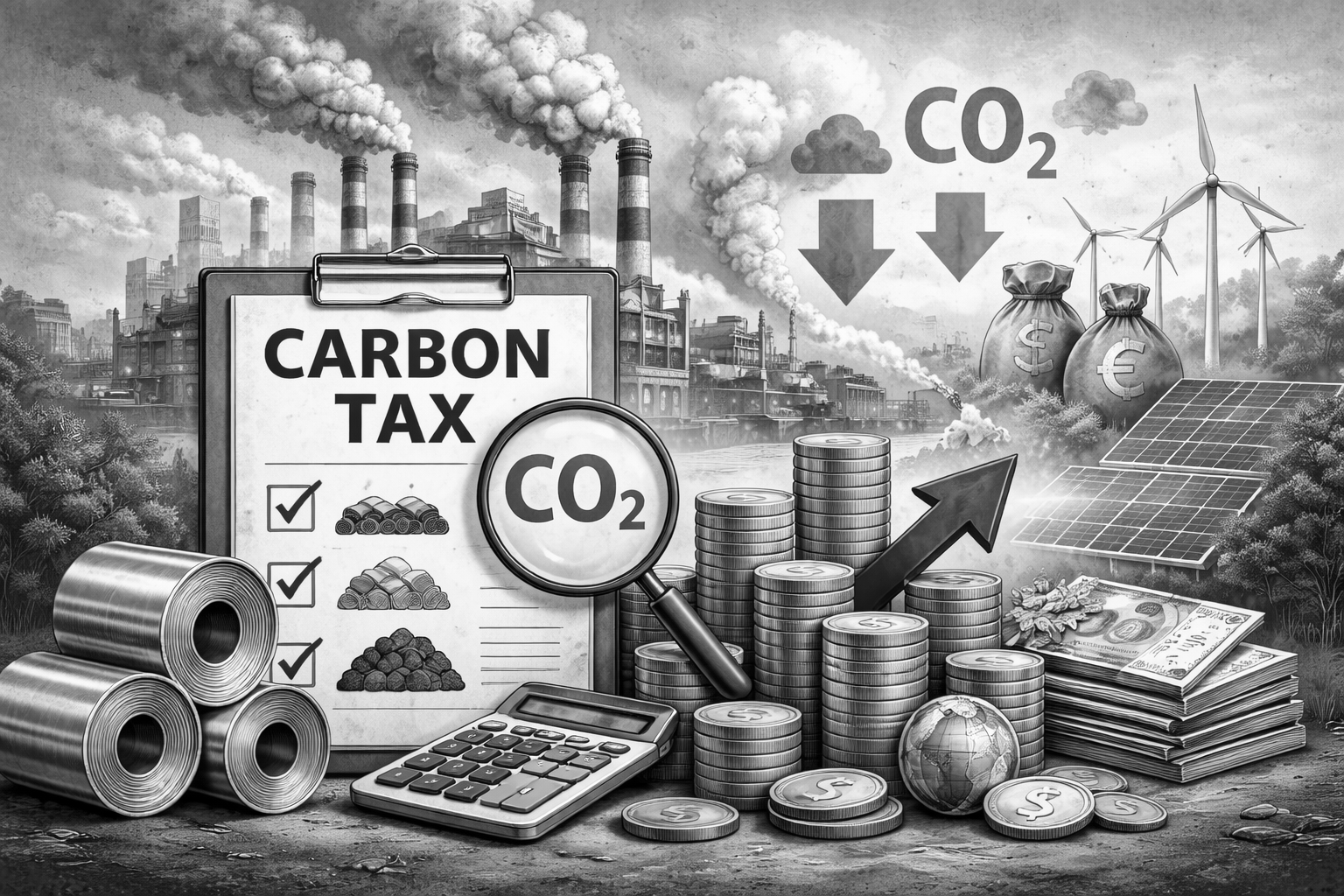
From January 1, the EU has begun implementing the Carbon Border Adjustment Mechanism (CBAM) , the world’s first carbon-linked import levy . The mechanism applies to carbon-intensive products such as steel, cement and aluminium , and requires importers to pay a charge linked to the emissions generated during production . While the EU maintains that CBAM aligns the carbon costs of imports with those faced by European manufacturers, India had raised concerns that it could function as a non-tariff trade barrier for developing economies.
CBAM emerged as one of the most contentious issues during negotiations for the India–EU free trade agreement (FTA) , which was concluded earlier this week. The EU clarified that it could not offer country-specific exemptions , arguing that the rules apply uniformly to domestic producers and foreign suppliers . India ultimately accepted this position, making CBAM one of the key compromises underpinning the trade pact.
Rather than opposing the mechanism outright, India focused on limiting its impact on exporters . As part of the understanding reached, the EU will provide technical assistance, clean technologies and funding of around USD 500 million over the first two years to help Indian industries reduce their carbon footprint . The two sides are also working towards signing a memorandum of understanding (MoU) to formalise this cooperation.
India and the EU agreed to establish a joint technical working group to ensure transparency in carbon measurement and tariff calculation . The group is expected to address operational challenges and reduce uncertainty for exporters as the mechanism evolves.
In a key concession, the EU agreed to accredit Indian carbon verifiers , allowing emissions audits to be conducted domestically. Officials said this would lower compliance costs and address access concerns if verification were limited to European agencies. The EU also accepted India’s proposal that any flexibility granted to other countries under CBAM would automatically apply to India.
Further, India secured assurances that its domestic emission-reduction incentives and climate-related levies would be taken into account under CBAM to prevent double taxation on Indian industry. Officials described the arrangement as a “living dialogue” , allowing future concerns to be addressed as regulations evolve.