
India engages Taliban-appointed Afghan envoy, stops short of recognition
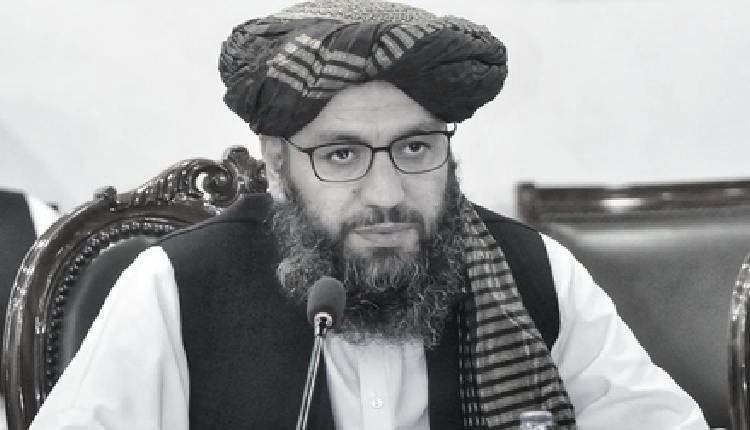
Noor Ahmad Noor , the newly appointed charge d’affaires at the Afghan embassy in New Delhi, has emerged as a key interlocutor in India’s limited engagement with Taliban-ruled Afghanistan, reflecting New Delhi’s calibrated approach of maintaining functional ties without formally recognising the regime in Kabul.
Noor Ahmad Noor is the first senior Afghan official appointed by the Taliban administration to be posted in India since the group seized power in August 2021. As charge d’affaires, he heads the Afghan mission in the absence of an ambassador, a position that allows working-level diplomatic interaction while stopping short of full diplomatic recognition.
On Monday, Noor met Anand Prakash , the Ministry of External Affairs ’ pointperson for Afghanistan, in talks that focused on expanding bilateral trade, easing visa procedures and addressing issues faced by Afghan traders, students and nationals residing in India. Details of the meeting were shared by the Afghan embassy on social media, while there was no official readout from the Indian side.
India has consistently maintained that it has not recognised the Taliban government, and officials have underlined that contacts are limited to humanitarian, economic and people-centric issues.
India-Afghanistan relations were traditionally strong prior to the Taliban’s return to power. Over two decades, India invested more than USD 3 billion in development projects across Afghanistan, including the Afghan Parliament building, the Salma (Afghan-India Friendship) Dam, road networks, schools and hospitals. India was widely regarded as a trusted civilian partner that focused on capacity building, education and healthcare.
The Taliban takeover in August 2021 marked a sharp break. India evacuated its diplomatic staff from Kabul, shut its embassy and expressed concerns over terrorism, regional security and human rights, particularly the status of women and minorities. New Delhi refrained from recognising the new dispensation even as several regional powers moved to establish channels of engagement.
Since 2022, India has adopted what officials describe as a “calibrated and pragmatic” approach towards Afghanistan. A technical team was deployed in Kabul to coordinate humanitarian assistance, and India has supplied wheat, medicines, vaccines and disaster relief, largely through UN agencies.
Trade and people-to-people links have also remained on the agenda. Afghanistan continues to be an important market for Indian pharmaceuticals and food items, while Afghan exports to India include dry fruits and saffron. Issues such as visa facilitation and banking channels, however, remain challenging and are part of ongoing discussions.
The presence of Noor Ahmad Noor in New Delhi and his engagement with Indian officials underline this working-level interaction. Analysts say the move allows India to safeguard its strategic and economic interests, maintain influence in the region and prevent Afghanistan from becoming a security vacuum dominated by hostile elements, while avoiding any step that could be interpreted as legitimising the Taliban regime.
For now, India’s message appears clear: engagement will continue where it benefits the Afghan people and regional stability, but formal recognition of the Taliban government remains off the table.