
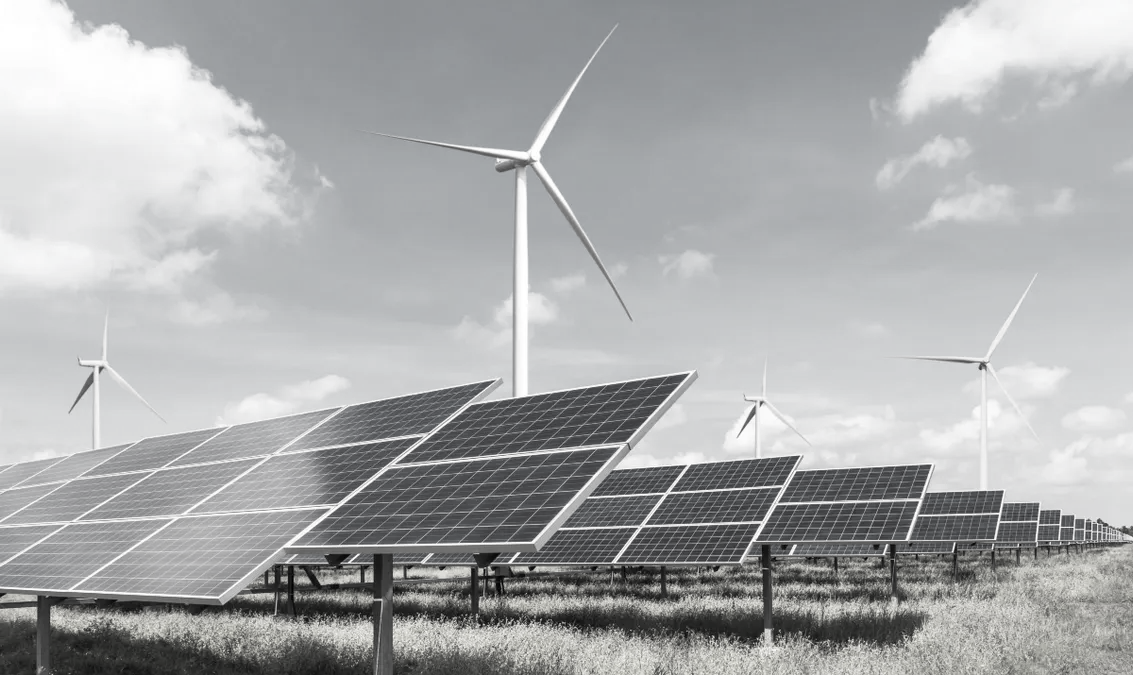
India emerges as 4th-largest nation in renewable energy with 257 GW capacity
Union Minister for New and Renewable Energy Pralhad Joshi on Tuesday announced that India has become the world’s fourth-largest country in terms of renewable energy capacity, reaching 257 gigawatts (GW) — a remarkable three-fold rise from 81 GW in 2014.
Speaking at the 8th session of the International Solar Alliance Assembly, Joshi highlighted the country’s significant progress, particularly in solar energy. “India’s solar capacity has grown from just 2.8 GW in 2014 to 128 GW today,” the minister said, crediting policy reforms, large-scale investments, and technological advancements for the surge.
What is Renewable Energy?
Renewable energy refers to power generated from naturally replenishing sources such as sunlight, wind, water, and biomass. Unlike fossil fuels, these sources do not deplete over time and have a minimal carbon footprint, making them key to combating climate change.
How is GW Measured?
A gigawatt (GW) is a unit of power equal to one billion watts. It measures the electricity generation or installed capacity of energy systems. For example, one GW of solar energy can power roughly 750,000 homes in India, depending on consumption patterns.
Factors Behind India’s Growth
India’s renewable energy expansion has been driven by:
• Government Policies: Initiatives like the National Solar Mission, production-linked incentives (PLI) for solar modules, and Green Energy Corridors.
• Private Sector Participation: Domestic and global players have invested heavily in solar and wind projects, aided by clear regulatory frameworks.
• Technological Advancements: Better efficiency in solar panels, improved storage solutions, and digital monitoring systems have boosted output.
• Global Partnerships: Collaborations through platforms such as the International Solar Alliance (ISA) have accelerated knowledge-sharing and funding.
With its ambitious goal to achieve 500 GW of renewable energy capacity by 2030, India is positioning itself as a global leader in the transition to clean and sustainable power.