
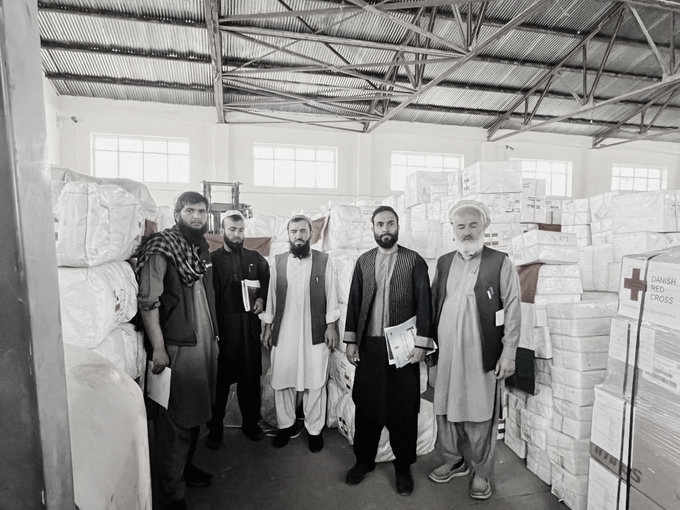
India donates over 16 tonnes of medicines to Afghanistan
India has donated more than 16 tonnes of essential medicines and diagnostic kits to Afghanistan’s Ministry of Public Health, marking another significant step in its ongoing humanitarian support to the Afghan people. The consignment, aimed at strengthening the National Malaria and Other Vector-Borne Diseases Prevention Programme, includes critical drugs to treat malaria, dengue, and leishmaniasis, three diseases currently affecting large parts of the country.
According to the World Health Organization, Afghanistan has recorded over 27,000 confirmed malaria cases so far in 2025, with nearly 180,000 positive cases reported last year. The dengue outbreak has also spread to six provinces, with 736 suspected cases this year, while 23 million people remain at risk of contracting leishmaniasis, particularly in rural and conflict-affected regions. Though death rates remain low in official data, under-reporting and limited diagnostic capacity suggest a far greater burden on local communities.
The total cost of India’s latest medical shipment is estimated at around USD 2.5 million, covering essential anti-malarial drugs, test kits, and logistical support. The donation continues India’s long tradition of providing humanitarian aid to Afghanistan, including the delivery of 50,000 metric tonnes of wheat, five ambulances, and emergency food relief earlier this year. The Indian government has reaffirmed that its assistance is directed at the Afghan people and not influenced by political considerations, underscoring New Delhi’s role as one of the few countries maintaining a functional diplomatic presence in Kabul after the Taliban’s return to power in 2021.
In 2025, India has continued to play an active role as a global humanitarian partner, extending aid across Asia, Africa, and the Pacific. New Delhi dispatched over 30 tonnes of medical supplies and food aid to Sri Lanka and the Maldives following severe dengue outbreaks, while shipments of wheat and disaster relief materials were sent to Myanmar and Nepal after devastating floods. India also provided essential medicines and vaccines to African nations such as Kenya, Ethiopia, and Mozambique, and offered technical and digital healthcare support under its “Vaccine Maitri 2.0” initiative. Through these efforts, India has reinforced its image as a dependable first responder in regional crises, combining diplomacy with direct humanitarian outreach to strengthen its global partnerships.
India and Afghanistan have seen a quiet but steady expansion of their ties in recent months. The visit of Afghanistan’s Foreign Minister Mawlawi Amir Khan Muttaqi to New Delhi in October marked the first high-level engagement between the two sides in nearly three years. His talks with External Affairs Minister S. Jaishankar focused on health cooperation, trade facilitation, and regional security. India has also increased scholarship opportunities for Afghan students and maintained regular humanitarian shipments through Iran’s Chabahar port, reaffirming its commitment to long-term stability and public welfare in Afghanistan.