
India, China lauded for leadership in clean energy transition at COP30
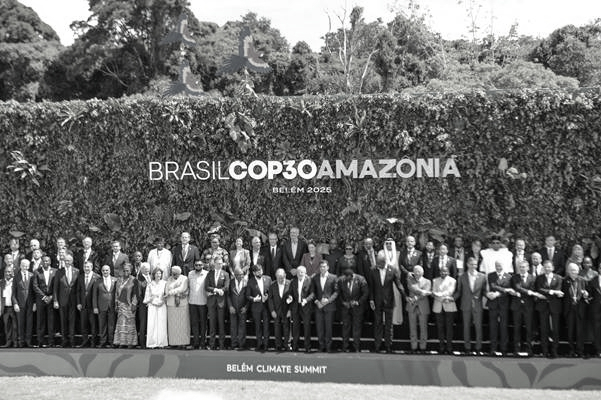
At the opening of the 30th United Nations Climate Change Conference (COP30) in Belém, Brazil, India and China were hailed for their transformative roles in the global clean energy transition. The summit, which began on November 10 and will conclude on November 21, brings together representatives from nearly 200 nations to strengthen climate commitments under the Paris Agreement.
COP30 President André Corrêa do Lago lauded both nations for “embracing climate action in a very clear way” and helping to drive down the cost of renewable technologies worldwide.
“China has very advanced technology and a scale that can only be compared to India. And India is doing the same, because they also have brilliant companies, engineers, and incredible people,” he said at a press briefing.
Do Lago commended China for its dominance in manufacturing solar panels, wind turbines, electric vehicles, and batteries, which has led to a sharp drop in global clean energy costs up to 90 per cent in some sectors. He also appreciated India’s rapid progress in renewable energy, backed by strong engineering expertise, innovation, and expanding green industries. Both countries, he said, are making clean energy more affordable and accessible for developing economies.
U.S. Pulls Back from COP30
In a notable move, the United States has chosen not to send senior officials to COP30. The White House confirmed that no high-level delegation will attend the talks, citing domestic energy priorities. The absence of the world’s second-largest carbon emitter has raised concerns among negotiators, who fear it could undermine global unity on climate action. Analysts, however, believe that the vacuum left by the U.S. may allow other emerging economies, including India and China, to take greater leadership in shaping the climate agenda.
COP30’s Agenda and Expected Outcomes
COP30 marks a decade since the Paris Agreement and is considered a pivotal moment in global climate diplomacy. Countries are expected to submit their next round of Nationally Determined Contributions (NDCs) for the 2031–2035 period, outlining stronger emission-reduction and adaptation targets.
Delegates are also discussing climate finance and mechanisms for supporting developing nations in their transition to low-carbon economies. Experts say the meeting could lead to a new global framework, comparable in impact to the Kyoto Protocol or Paris Agreement, that reinforces accountability and climate justice.
Delivering India’s national statement, Ambassador Dinesh Bhatia reaffirmed New Delhi’s commitment to the Paris Agreement and urged developed countries to accelerate emission cuts and fulfil long-standing finance pledges.
Global Climate Context
The Earth has already warmed by 1.3°C since the pre-industrial era, largely due to the burning of fossil fuels. The UN Emissions Gap Report warns that under current policies, global temperatures could rise by 2.8°C by 2100, far above the safe threshold.
As negotiations continue in Belém, leaders hope COP30 will produce a renewed commitment to collective climate action, ensuring that the world stays on course to meet the 1.5°C goal and secure a sustainable future.