
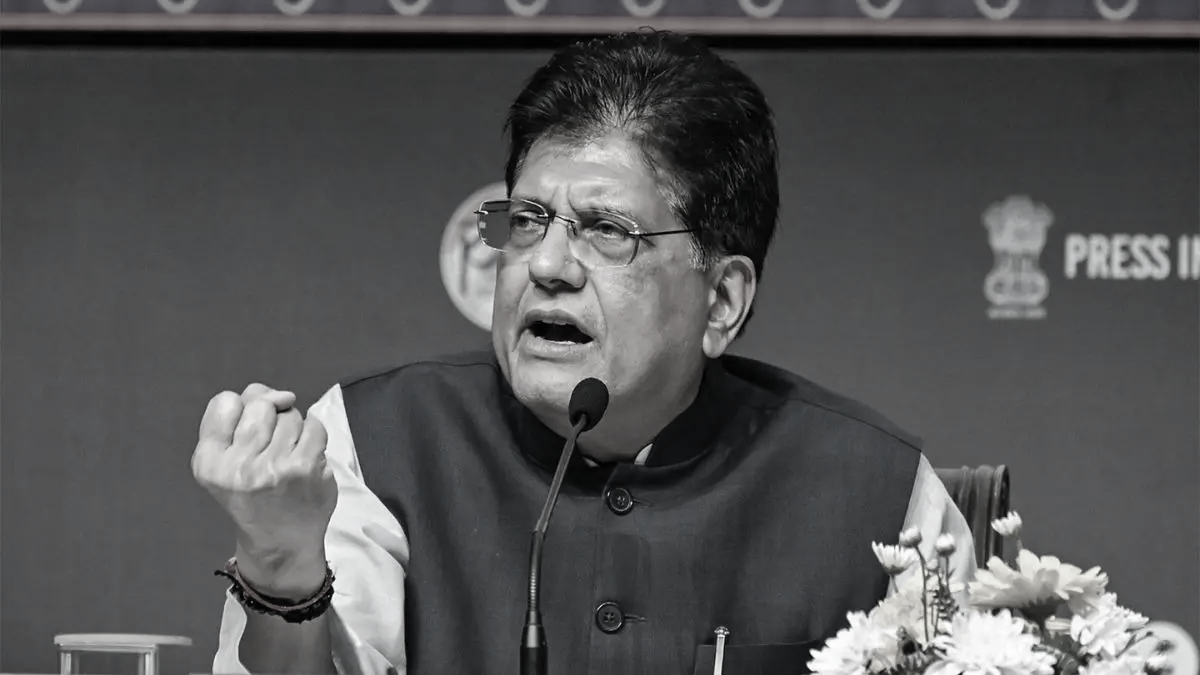
India, Canada Explore Revival of Free Trade Talks: Piyush Goyal
India and Canada have reopened diplomatic conversations after months of tension, signalling a willingness to “re-engage” on stalled issues, including the long-pending Free Trade Agreement (FTA). Officials from both sides have recently held quiet discussions to normalise ties, and the tone over the last few weeks suggests a clear attempt to reduce the political chill that began in 2023. For now, the message from both governments is the same: dialogue is back, and trade cooperation will be explored again.
But the bigger question remains, is this genuine progress toward reviving the FTA, or simply an attempt by both countries to look positive without committing to real decisions?
Despite the renewed warmth, several real factors could delay or derail the FTA revival. The core political tensions that froze talks last year have not fully disappeared, and both sides still remain cautious. Canada continues to face domestic political pressures, especially from influential diaspora groups, which limits how far its government can go without risking internal backlash. India, on the other hand, wants firm assurances on security and interference concerns before reopening any major negotiations. These unresolved issues can easily slow down talks, even if diplomatic language sounds friendly.
Economic reality is also shaping the renewed engagement. Canada needs stronger partnerships as it tries to diversify beyond the US and China, especially in critical minerals, education, and technology. India, meanwhile, is pushing for more trade agreements globally to boost exports, attract investment, and secure essential resources. This means both countries need each other economically, but economic necessity alone isn’t enough to restart complex trade negotiations immediately. For both sides, showing diplomatic maturity and “resetting the tone” also helps politically, allowing leaders to appear responsible, cooperative, and future-focused.
However, whether this is real progress or just optics remains unclear. So far, neither country has announced a timeline, a roadmap, or any concrete steps to restart the FTA. There have been no technical-level meetings, no working groups reactivated, and no public confirmation of negotiations resuming. The language is positive, but the actions are still cautious. In many ways, both governments seem to be signalling goodwill without committing to decisions they may not be ready to take.
For now, the situation can be seen as a diplomatic thaw, an important first step, but not a breakthrough. The FTA is not dead, but it is not alive either. It sits in a waiting zone where political trust must first be rebuilt before trade negotiations can meaningfully restart. Real progress will only begin when both sides move from warm statements to actual working meetings, clear timelines, and measurable commitments.
India’s exports to Canada make up barely half a percent of its global shipments, and Canada’s exports to India are also a small fraction of its total trade. Any future FTA may aid specific sectors, but it will not materially alter the broader trade landscape for either economy.
Until then, the revival of India-Canada FTA talks remains more a possibility than a process.