
India aims to strengthen climate solutions at COP 30 in Brazil
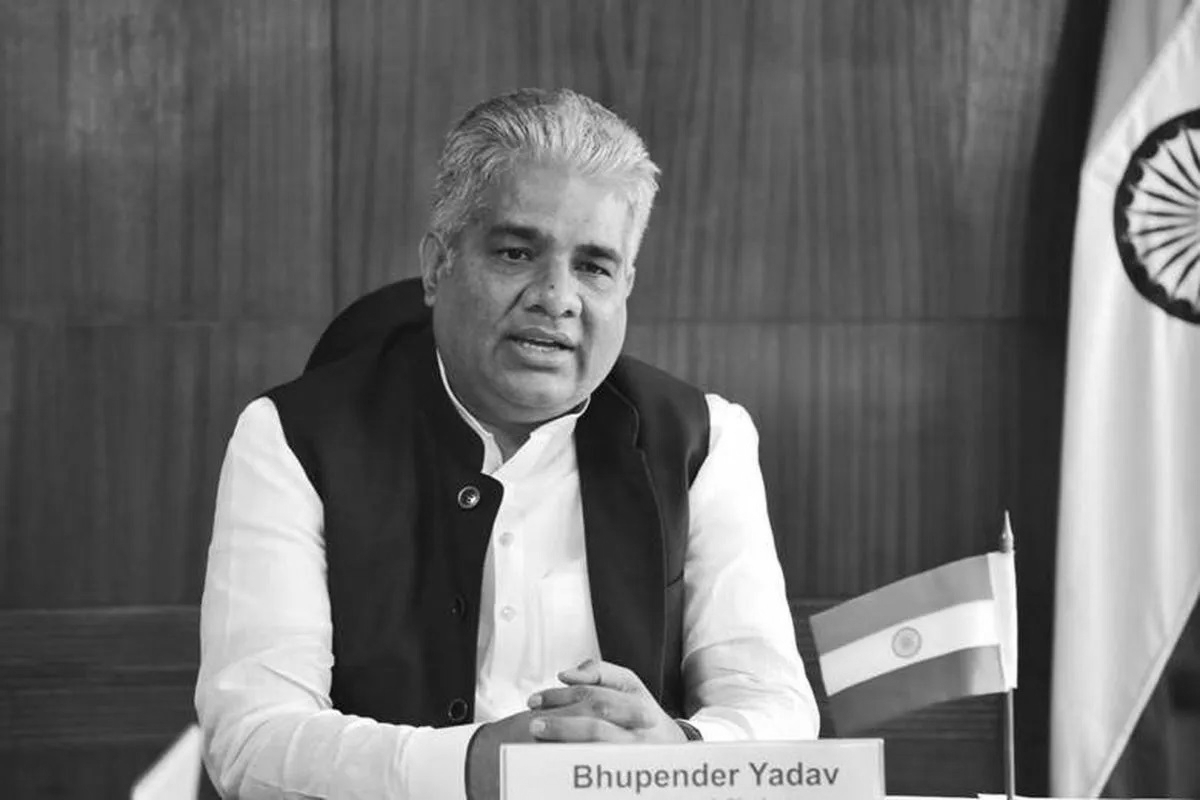
The government of India has announced that a delegation, led by Union Environment Minister Bhupendra Yadav, will attend the upcoming 30th session of the Conference of the Parties (COP 30) under the United Nations Framework Convention on Climate Change (UNFCCC) from 10 to 21 November 2025 in Belém, Pará, Brazil.
More than 190 countries are expected to participate in this annual meeting, which brings together governments, scientists, businesses and civil‐society actors to negotiate global responses to climate change. The heads‑of‑state summit is scheduled early, on 6-7 November, to enable focused high‑level discussions ahead of the formal conference.
A brief history of the UNFCCC and previous agreements
The UNFCCC was adopted at the “Earth Summit” in Rio de Janeiro in 1992 and came into force in 1994. Under that umbrella treaty, the yearly COP meetings serve as the main decision‑making forum.
One of the earliest landmark agreements was the Kyoto Protocol (adopted in 1997 at COP 3 in Kyoto, Japan, entered into force in 2005). It legally bound developed countries to reduce greenhouse‑gas emissions by about 5 % below 1990 levels for 2008‑2012.
More recently, the Paris Agreement was adopted at COP 21 in Paris in December 2015 and entered into force in November 2016. It set the goal of keeping global warming well below 2 °C above pre‑industrial levels, and pursuing efforts to limit it to 1.5 °C.
What India aims to focus on
India’s delegation will emphasise several topics in Belém:
• Climate finance - especially for developing countries, a core issue of trust and fairness in the global climate regime.
• Adaptation indicators - how to rationalise and strengthen measures so that vulnerable countries can better adapt to climate impacts.
• New technologies - transfer and deployment of technologies that reduce emissions and enhance resilience.
• Plus broader issues such as loss and damage, sustainable development and the role of the Global South.
Domestically, India has been taking steps - in the national capital region, the air quality index logged at 316 on Monday, showing slight improvement. The Environment Ministry has coordinated with the Agriculture Ministry and state governments - about 980 highly‑polluting industries have been banned in identified zones; villages that engage in stubble‑burning have been listed, and roughly 70 % of the stubble in these villages has been burned so far. Green crackers were also used during festival times to limit pollution.
Prime Minister Narendra Modi has reiterated that India wants to offer solutions to the world, not problems - emphasising India’s role as a voice of the Global South through groupings like the G20 and BRICS.
What to expect at COP 30
At COP 30, observers are watching for:
• Progress on new collective quantified goals for climate finance, particularly for adaptation and loss and damage.
• Strengthening of adaptation frameworks and clarity on indicators and reporting, especially for developing countries.
• Concrete commitments on technology transfer and cooperation.
• Possibly a reaffirmation or upgrade of the 1.5 °C goal with new or updated nationally determined contributions (NDCs).
• High‑level statements from heads of state (during the early summit on 6-7 November) that may set the tone for action.
Given the venue - Belém, in Brazil’s Amazon region - the conference also carries symbolic importance: it reminds participants of the interconnectedness of climate, forests, biodiversity and development.
Why it matters
COP 30 is not just another meeting: under the UNFCCC system, each COP is a milestone in an evolving process. The Paris Agreement introduced a five‑year “global stock‑take” to assess collective progress and ramp up ambition. With COP 30, the world expects a renewed push: from pledges to implementation, from talk to tangible action.
For India in particular, the stakes are high: as a large and rapidly developing country, it must juggle development aspirations, emissions management and resilience to climate impacts - all while articulating its role in global diplomacy. The outcomes of COP 30 will influence how the world meets its climate goals, how finance and technology flows are structured, and how developing countries’ concerns are addressed.