
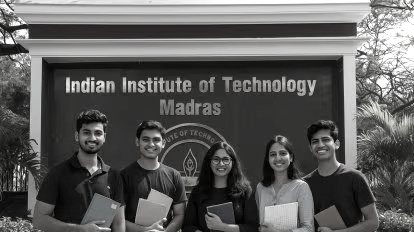
IIT Students Turn Down More PPOs as Confidence Grows in Final Placement Season
A higher number of engineering students at the Indian Institutes of Technology (IITs) have been observed rejecting pre-placement offers (PPOs) this year, despite a 10–20% rise in such offers across several campuses. The shift marks a notable reversal from earlier placement cycles, during which uncertain hiring conditions prompted students to accept guaranteed positions ahead of final placements. The first phase of IIT placements for 2025–26 is scheduled to be held from December 1, followed by the second phase in January.
According to student placement representatives across IIT Delhi, Kanpur, Roorkee, Madras and Hyderabad, increased confidence among students has been reported following what has been described as a strong internship season. It has been stated that students believe better full-time fresher roles may be secured during Phase I placements if adequate preparation is undertaken. In contrast, weaker hiring cycles in previous years had resulted in greater PPO acceptance.
At IIT Madras, a 10–20% rise in PPOs was reported, accompanied by a 10–15% increase in rejections compared with the previous year. IIT Roorkee recorded nearly 250 PPOs, up from 200 last year, while 24 offers were rejected, compared with 18 in the last cycle. Representatives from IIT Delhi also confirmed a sizable number of rejections, attributing the trend to improved internship performance and increased optimism about campus recruitment.
A shift in the composition of recruiters has been reported across campuses. A strong return of software and big-tech firms has been observed, with higher demand in artificial intelligence (AI) and software engineering roles at IIT Kanpur, Madras and Hyderabad. However, salary levels in these domains were described as stagnant compared with previous placement cycles. In most IITs, domestic software and AI roles continue to fall within typical annual compensation ranges of ₹20–35 lakh, based on recent placement data from leading institutions. Digital product firms at IIT Madras were noted to offer lower salary packages than in the previous year.
Consulting career opportunities have contracted significantly, with major firms such as McKinsey & Company, Boston Consulting Group (BCG), and Bain & Company not visiting campuses this year. Students and placement team members confirmed that both demand from recruiters and interest among students for consulting roles have declined. The typical compensation for such roles, generally in the ₹20–28 lakh range for undergraduates at IITs, has remained unchanged.
International hiring patterns have also shifted. Restrictions related to the H1B visa category in the United States were reported earlier to have negatively affected US-based recruitment. As a result, a higher number of international recruiters from Japan, the Netherlands, and other European countries have been observed visiting campuses this year. Placement teams added that major global tech companies continue to hire, but mainly for India-based roles, contributing to the overall stagnation in salary levels.
A notable exception to broader trends has been reported at IIT Hyderabad, where a 50% increase in quant roles and salary hikes of 25–40% were registered. Software engineering positions at the institute have also risen, supported by stronger international participation from non-US companies.
Student priorities have also undergone change. Placement representatives stated that a rising number of rejections were linked to candidates prioritizing work–life balance, role suitability and passion-driven career pathways over roles perceived as routine. It was indicated that this shift contributed to the rejection of several PPOs at IIT Madras.
Overall, hiring confidence at IITs has remained stronger than in the previous two cycles, with increased PPO availability, diversification of international recruitment sources, and a stronger internship base contributing to higher expectations for Phase I placements beginning December 1.