
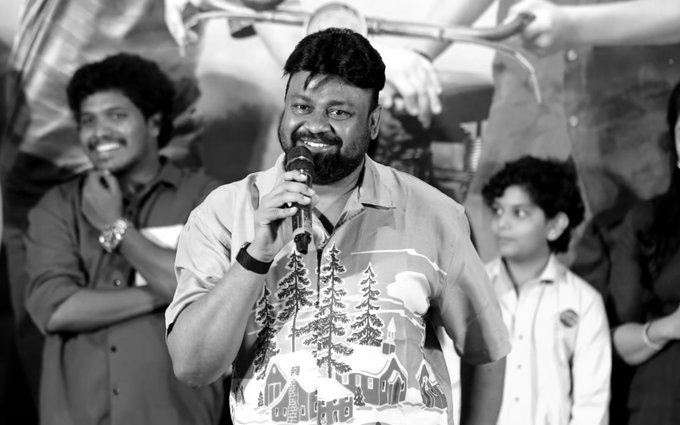
If Twitter Is Negative, We Turn It Positive: Colour Photo Director Sai Rajesh On Manipulated Digital Narratives
Film director Sai Rajesh, known for Colour Photo , has sparked a fresh debate in the entertainment industry after stating that audiences have turned cynical about the industry . His remarks, made during a recent interaction, have gone viral, dividing opinion among filmmakers, critics, and viewers over whether they reflect reality or exaggerate the current state of cinema.
Sai Rajesh expressed deep concern about the growing confusion in the digital ecosystem surrounding films. He said, “We don't know what's true and what's not. We're buying comments and views on YouTube. If there's negativity on Twitter, we're turning it into positivity.” He further added, “The industry has started to feel a bit tiresome to people.. It's really scary.. What story to write, what to do,” highlighting the uncertainty creators now face in shaping narratives and reaching audiences.
His comments point to a broader issue of trust deficit with filmmakers , where audiences increasingly approach films with pre-decided skepticism due to repeated experiences of overpromising and underdelivering . According to him, this has widened the gap between filmmakers and viewers, making genuine audience connection harder to achieve.
Industry voices have also highlighted the impact of social media reviews and instant reactions , where audience perception is often formed within hours of release. YouTube metrics, Twitter trends, and viral commentary now heavily influence how films are judged, sometimes before theatrical runs gain momentum.
While some believe audiences have become more informed and critical, others argue that the current environment encourages harsh, knee-jerk reactions , contributing to content fatigue . Sai Rajesh also pointed to the increasing reliance on safe commercial formulas , suggesting that creative risks are shrinking under pressure from unpredictable online feedback.
The debate ultimately raises a larger question: is cinema struggling because of changing audience behaviour, or is the industry itself reshaping that behaviour through its own choices?