
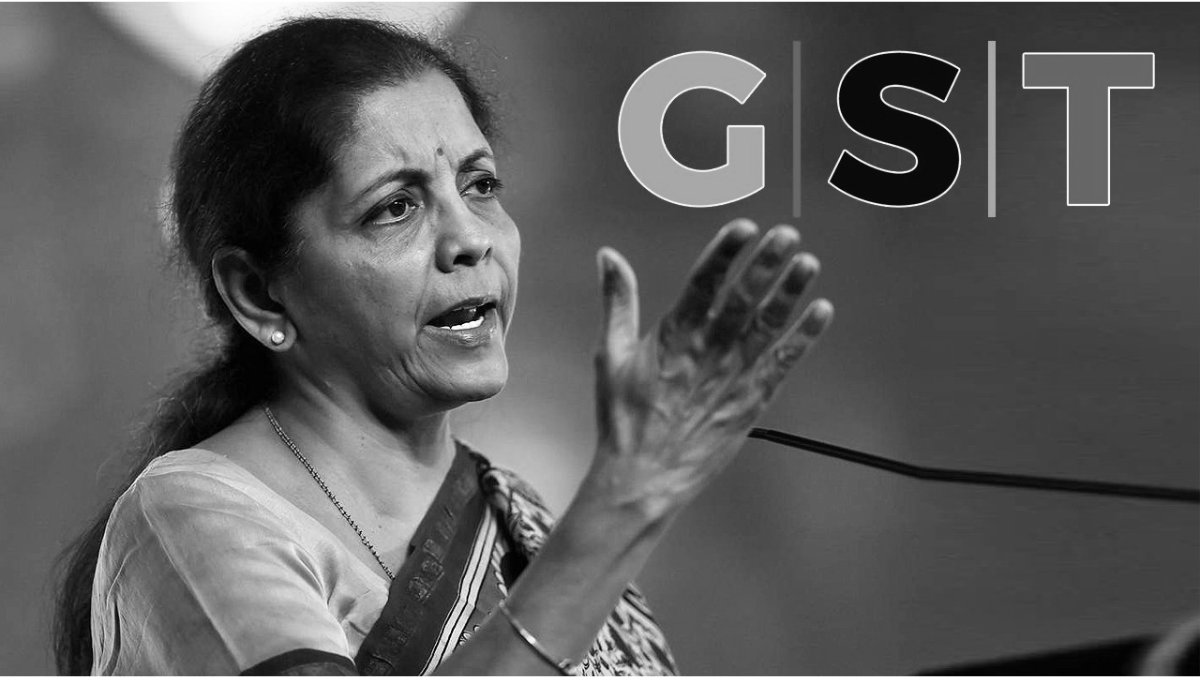
If GST relief is possible now, why burden people before?
The government’s GST rejig, cutting rates on hundreds of everyday items and simplifying slabs, looks and sounds like a gift to shoppers. The Finance Minister says most goods that earlier faced 12% tax are now slotted into a 5% bracket, and the new structure is due to take ef fect from September 22, 2025. That single date turned a technical tax change into a festival season headline, one that promises cheaper soaps, snacks, packaged foods and even some farm gear from the day it begins.
What actually changed, and why it matters: At a practical level the Council has moved to a far simpler system, largely to two consumer facing slabs, and reduced rates for over 350 items. That means fewer classification fights at the shop counter, and the chance that ordinary purchases will cost less if companies pass the cuts on. Governments argue this is affordable because the GST bas e and collections have expanded dramatically since 2017, gross GST receipts hit a record ₹22.08 lakh crore in FY25 and the number of active taxpayers has more than doubled to around 1.5 crore, giving fiscal breathing space for targeted relief.
So why wasn’t relief done earlier? The messy side of policy: If a simpler, lower tax regime helps people, why did they face higher effective rates for years? The answer lies in trade offs and timing. Taxes are not just numbers on paper, the Centre and states share GST revenue, and sudden cuts can create gaps in state budgets unless compensated. Some levies and sensitive items were deliberately left out of the immediate cuts because of revenue or legal obligations. In short, fiscal mechanics, inter government bargains and past policy choices limited how fast reductions could be made without causing budget disruption.
Politics, optics and the festival calendar: Timing matters. Announcing large tax relief right before major festivals, and in a year of intense electoral activity in some states, guarantees headlines and voter attention. That does not automatically invalidate the reforms, but it converts a policy decision into powerful public optics, which opponents will call political timing and supporters will call urgent relief. Either way, timing amplifies the impact far beyond the numbers.
Industry and market reaction, early evidence of pass through: A crucial test is whether firms actually reduce retail prices. Some big companies have said they will pass benefits to customers, leading FMCG firms announced price cuts on staple items timed with the new rates. If global and domestic consumer goods brands trim shelf prices, the reform will feel real to households within days. But history shows firms can also use tax changes to rebuild margins, so the pass through is the make or break moment.
Where the change helps, and where it won’t: The rejig clearly helps low value, high frequency purchases, packaged foods, household goods, handicrafts and some farm implements, items that matter to everyday wallets. It also reduces classification disputes that trip up small traders. But it’s not a cure for deeper public needs, health infrastructure, schools, rural roads and water management still require public capital and long term programmatic spending. Tax cuts ease immediate pocket pain, they don’t automatically build hospitals or fix drainage systems that take years and targeted budgets to repair.
Three tests that will show whether this was relief or political theatre
• Retail pass through: Watch prices at supermarkets and kirana stores over the next 2-6 weeks. Real relief means visible, sustained price drops on everyday brands.
• State finances: Check whether states face revenue stress and ask for compensation. If the cut forces accounting workarounds or delayed payments, the policy’s sustainability will be questioned.
• Implementation pain: Reclassification can create confusion in invoicing and returns. Clarity from authorit ies and quick guidance for traders will determine if the reform smooths life or spawns new compliance headaches.
Voices from both sides, without spin: Supporters see a long overdue simplification that encourages demand, reduces disputes and benefits consumers and artisans. Critics argue the change exposes earlier policy neglect, if cuts were so feasible now, why were people taxed higher earlier? Both views carry weight, one speaks to economics and growth, the other to timing and fairness.
Yes, this GST reshuffle can make everyday life cheaper for millions, but only if the benefits reach shop counters and do not evaporate into higher corporate margins or fiscal stress for states. The meaningful test is practical, will ordinary buyers see lower bills at the market, and will government services continue to be funded? If the answer is yes, the reform will be remembered as relief. If not, it will be remembered as optics. Either way, the reform’s story will be written not by announcements, but by prices, state budgets and ordinary shoppers over the next few months.