
IEA, IMF, World Bank warn fuel, fertiliser prices may stay high for prolonged period
Fuel and fertilizer prices may remain high for a prolonged period as the war in the Middle East continues to disrupt global energy markets and supply chains, the International Monetary Fund , World Bank and International Energy Agency have warned in a joint statement.
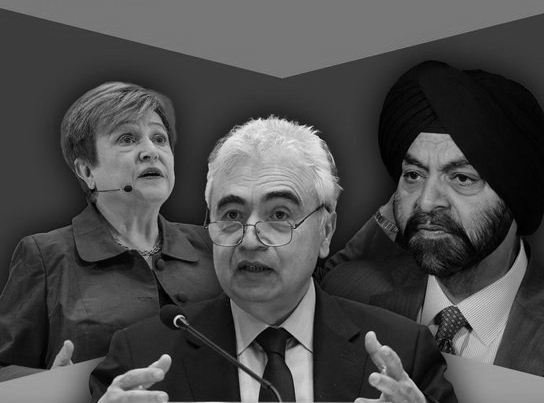
The heads of the three institutions met in Washington as part of a coordination group set up earlier this month to address the economic and energy impacts of the conflict. They said the shock from the war is “substantial, global and highly asymmetric,” disproportionately affecting energy-importing and low-income countries.
The institutions noted that the conflict has driven sharp increases in oil, gas and fertiliser prices , raising concerns about food security, inflation and job losses across many economies. Some oil and gas producers in the region have also experienced a dramatic fall in export revenue due to disruptions in trade.
Shipping through the Strait of Hormuz , a crucial route for global oil trade, has yet to fully normalise. Even if shipping flows resume, the institutions cautioned that global supplies of key commodities will take time to return to pre-conflict levels because of damage to energy infrastructure and logistical disruptions.
The conflict has also displaced populations, weakened employment and reduced travel and tourism, effects that may take time to reverse. Shortages of key inputs are expected to ripple through energy, agriculture and manufacturing sectors , potentially prolonging economic stress worldwide.
The warning comes as the Middle East conflict, linked to escalating tensions involving Iran and regional powers has triggered one of the largest energy supply shocks in recent history , pushing global oil prices above USD 100 a barrel and damaging dozens of energy facilities in the region.
The institutions also urged governments not to hoard energy supplies or impose export restrictions , warning that such measures could worsen shortages and price volatility.
Officials said their teams are working closely with affected countries and will provide tailored policy advice and financial support where needed , while monitoring the crisis ahead of the release of the IEA’s Oil Market Report and the IMF’s World Economic Outlook.
They added that the three organisations will continue coordinating their response with other international bodies to help stabilize markets and support a resilient global recovery that restores stability, growth and jobs .